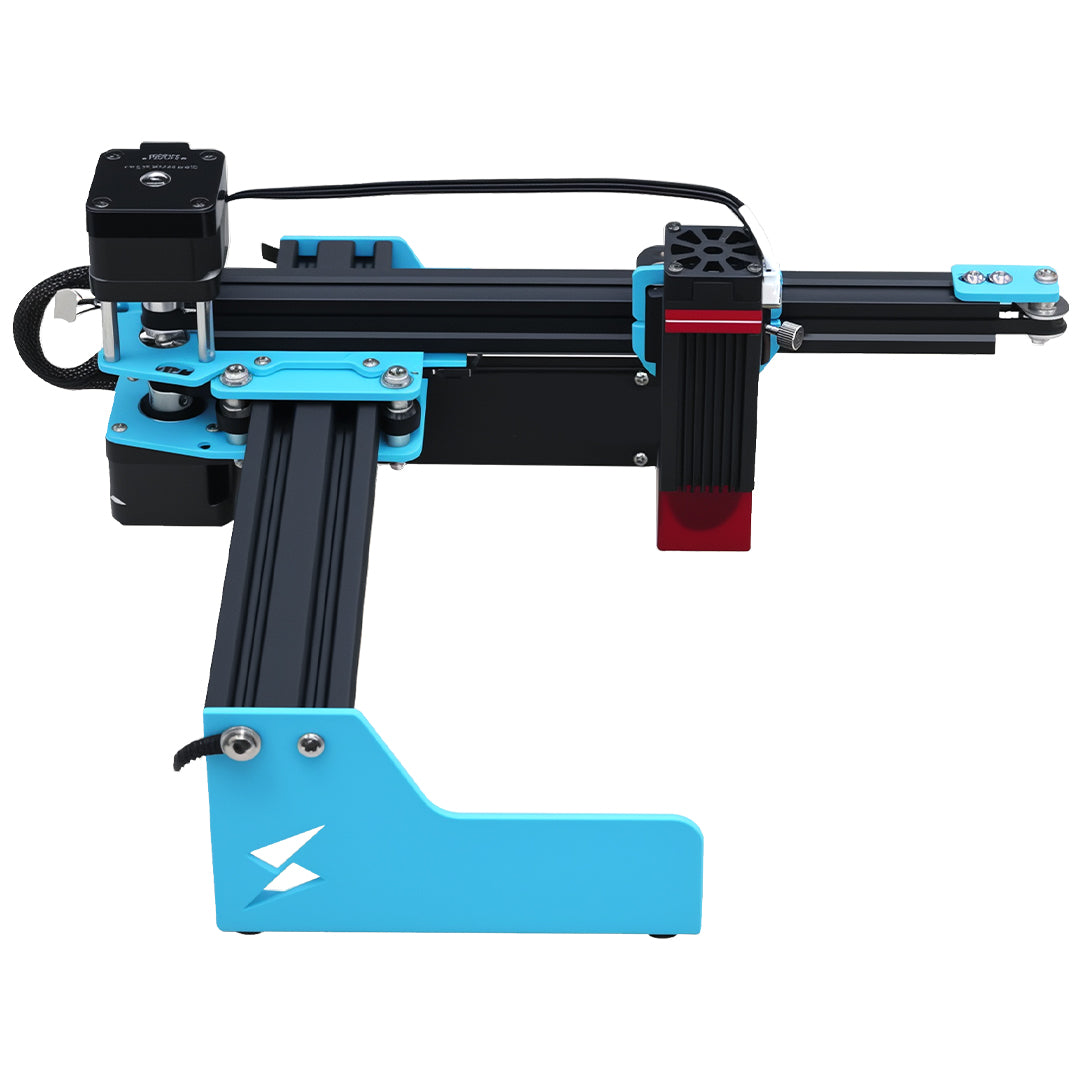


An OEM laser engraver warranty is only useful when the customer, dealer, and supplier know what happens after a fault is reported. A warranty period by itself does not define diagnosis, spare-parts access, response time, repair authority, freight, software support, or responsibility for a locally assembled unit.

The TYVOK partner program confirms warranty, spare parts, training, and service responsibilities in the final cooperation plan. Dealers should turn that principle into an operating checklist before the first sale.
Define the support chain
Write down who performs each step:
- Customer receives setup and safe-use information.
- Dealer handles first-line questions and collects evidence.
- Dealer distinguishes setup, material, software, accessory, and hardware issues.
- TYVOK or the agreed technical team reviews qualified escalations.
- The responsible party approves parts, repair, replacement, or another remedy.
- The case is closed with a recorded result.
Customers should not be sent between two companies because ownership was never decided.
State what the warranty covers and excludes
The written terms should define the covered product and configuration, start date, duration, geographic scope, proof of purchase, normal wear items, consumables, misuse, unauthorized modification, shipping damage, and work performed outside the approved process.
For private-label products, customer-facing terms must match the commercial agreement behind them. A dealer should not publish a broader promise than the support system can deliver.
Local assembly requires additional clarity. The agreement should separate supplied-component defects from assembly execution, final testing, local handling, and unauthorized configuration changes.
Build a spare-parts list from failure impact
Do not stock parts only by price. Group them by customer impact and diagnosis confidence:
| Category | Planning question |
|---|---|
| Fast replacement | Which low-cost parts can restore operation quickly? |
| Diagnostic parts | Which known-good parts help isolate a fault? |
| Controlled components | Which parts require authorization, calibration, or trained installation? |
| Wear items | Which parts need planned replacement rather than warranty treatment? |
| Shipping-sensitive parts | Which parts need special packing or handling? |
Set minimum local stock, reorder triggers, part-number control, compatible revisions, and storage requirements. A spare part with the wrong revision can create a second support case.
Standardize escalation evidence
Create one service form that collects the model, serial number, purchase date, configuration, software and firmware versions, material and job context, symptoms, error messages, photos, video, logs, troubleshooting already completed, and any recent changes.
The form should also record safety-relevant conditions. Stop operation for abnormal heat, flame, persistent smoke, damaged wiring, unexpected motion, unusual noise, or other symptoms that make continued testing unsafe.
Better evidence reduces unnecessary part shipments and prevents customers from repeating risky tests.
Set repair and replacement authority
Define who can authorize remote troubleshooting, customer-installed parts, dealer repair, return-to-dealer service, complete replacement, or credit. Include freight responsibility and required packaging.
Some issues can be resolved with a documented part replacement. Others require trained service or a controlled return. The decision should follow the fault and safety risk, not the loudness of the complaint.
Include software and firmware support
Record the approved software path, supported operating systems, update responsibility, rollback process, and handling of connectivity or account issues. Maintain a compatibility matrix for released hardware and firmware revisions.
If the dealer uses localized or branded software, confirm who updates help content, privacy information, app-store listings, and customer instructions when a release changes.
Train and authorize the local team
Training should match the work the dealer is allowed to perform. Separate customer onboarding, routine maintenance, evidence collection, approved part replacement, advanced repair, and safety-critical work. Record who completed each training level and which procedures, tools, fixtures, and protective measures are required. A video call does not automatically authorize every repair. Refresher training is needed when hardware, firmware, software, or diagnostic procedures change.
Measure the service system
Track time to first response, time to qualified diagnosis, parts used, repeat contacts, units replaced, root cause, and closure time. Review recurring issues with sales, documentation, packaging, production, and software teams.
The objective is not only to close tickets. It is to remove repeat causes from the next batch.
Put the service plan into the commercial review
Before launch, confirm customer-facing warranty terms, first-line owner, escalation route, spare-parts package, training, repair authority, freight responsibility, software support, reporting, and review cadence.
Request a P2 OEM and support plan, or read the private label dealer guide to connect service cost with brand positioning.
Choose a machine for your project
For small personalized gifts and tags, review TYVOK P2 options. For larger wood panels and signs, compare TYVOK X1S 2026 configurations. Test the actual material and project dimensions before buying.