

Blue Laser Galvo Engraver Buying Mistakes to Avoid
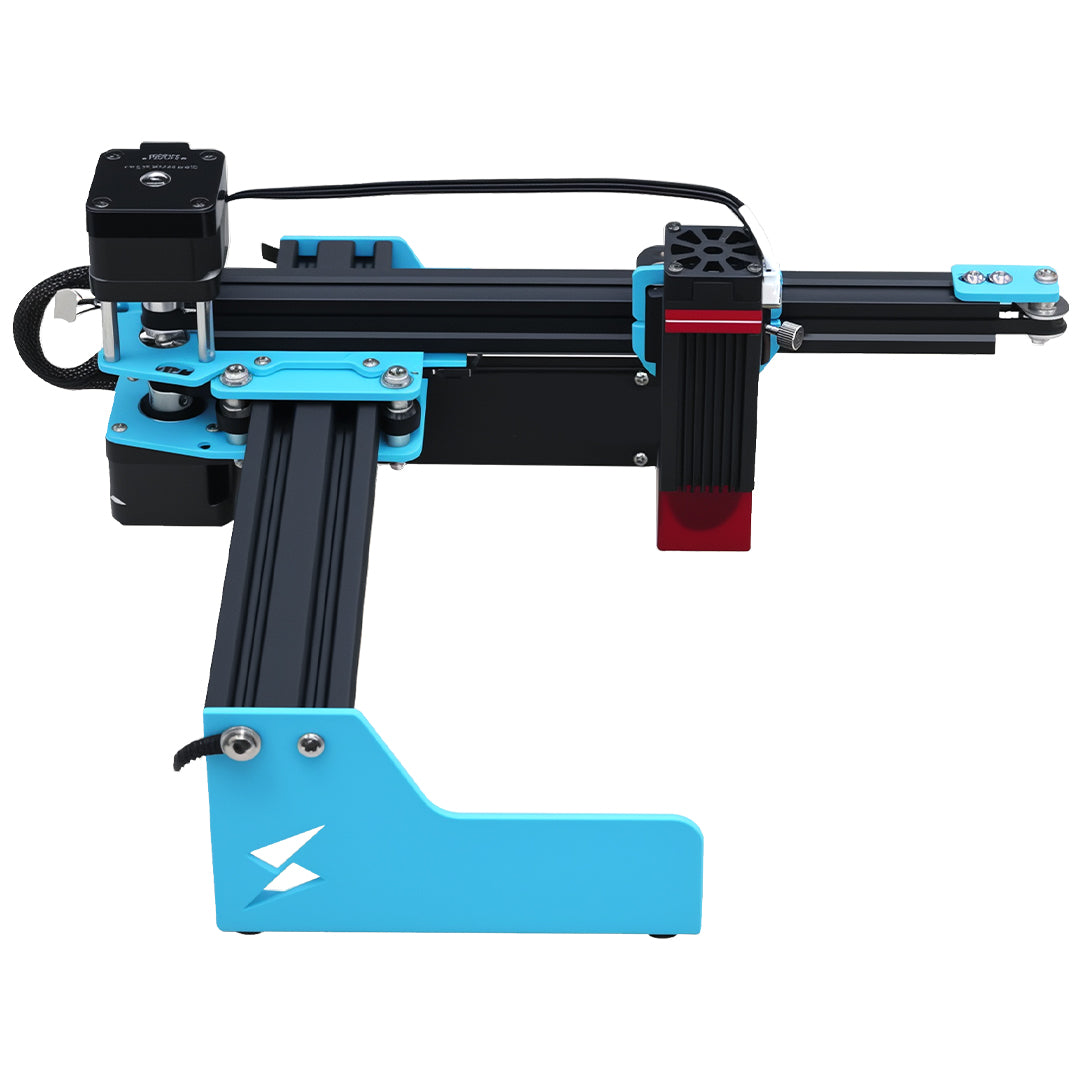
Direct answer: the biggest blue laser galvo engraver buying mistake is choosing by specifications alone. A better decision starts with the products you want to make, the real marking area, the material test process, and the finished samples you are willing to show customers. TYVOK P2 is strongest when the buyer wants compact personalization and fast sample creation, not when the buyer actually needs large-format production.

Mistake 1: choosing only by wattage
Wattage matters, but it does not answer the whole buying question. A higher number does not automatically create a better small business workflow. Buyers should first ask what they will make in the first 30 days.
If the answer is small tags, name cards, leather-look accessories, coated gift items, packaging inserts, or compact wood gifts, the workflow question is practical: can the machine help create finished samples quickly and repeat them accurately? If the answer is large signs, wide boards, or oversized panels, work area may matter more than galvo speed.
Mistake 2: ignoring the actual product size
A galvo engraver can feel fast because the beam is steered by mirrors rather than moving a heavy head across rails. That advantage is most useful when the marking area is focused. It does not remove the need to check whether the product and design area fit the intended workflow.
Before buying, measure two things:
- The full object size.
- The actual area that needs personalization.
Many products are physically larger than the mark. A box, card, tumbler, or leather item may only need a small name, logo, or date. That is a better match for a compact personalization workflow than a large engraved layout.
Mistake 3: skipping material tests
Blue laser results depend on the blank, coating, color, surface finish, focus, design density, and settings. This is especially important for coated products, leather-like materials, painted surfaces, and supplier-dependent blanks.
Do not publish a product offer after one casual test on a similar material. Test the exact blank you plan to sell. Keep notes on supplier, surface, color, and cleanup. If the supplier changes, test again.

Mistake 4: treating blank materials as proof
A blank material photo does not prove that a buyer can create a sellable product. A strong product page or blog article should show a finished result first. For TYVOK P2, the best proof is not only the machine. It is a finished small product that looks ready for a customer, event, Etsy listing, or brand package.
This matters for conversion and for indexing. Google has less reason to value pages that repeat generic claims without original examples. A page with finished product proof, clear testing notes, and practical buying guidance has a stronger reason to exist.
Mistake 5: buying for every future idea
Many beginners try to buy one machine for every possible future product. This creates confusion. A better path is to validate the first product category, then decide whether the next limitation is speed, power, work area, material path, or production volume.
TYVOK P2 should be presented as an entry into compact galvo personalization. If the business later needs a larger work area, batch processing, or a different material workflow, that becomes an upgrade decision based on proven demand.
A realistic first-week buying test
Before making the final decision, run a paper workflow. Pick one small product, one logo or name design, and one target customer. Estimate how the product will be ordered, where the blank will come from, how it will be positioned, how the finished item will be photographed, and how mistakes will be handled. This simple exercise often reveals whether the buyer needs compact sample speed or a larger production platform.
For example, a seller testing custom logo tags does not need to solve every laser engraving use case immediately. They need a clean mark, a repeatable placement method, a product photo, and a packaging plan. If that is the first business problem, a compact galvo workflow deserves attention.
Quick decision checklist
| Question | Good sign for P2 | Warning sign |
|---|---|---|
| Are the first products compact? | Tags, cards, accessories, small gifts | Large panels or signs |
| Is the mark area focused? | Name, logo, date, short message | Full-surface layout |
| Can you test exact blanks? | Supplier and batch are known | Unknown coating or material |
| Can you show finished proof? | Product photo is clear | Only blank material photos |
| Is demand still being validated? | Need fast samples | Already need large production |
Where TYVOK P2 fits
TYVOK P2 is a practical choice when the buyer wants compact product personalization, fast sample loops, and a controlled workflow for small objects. It should not be sold as a universal replacement for every laser format. That clarity helps buyers trust the recommendation.
Recommended internal links:
- TYVOK P2 Galvo Laser Engraver
- P2 Blue Laser Galvo Engraver Guide
- P2 Small Business Laser Engraver Guide
FAQ
Is a blue laser galvo engraver good for beginners?
It can be good for beginners who start with compact verified products and controlled tests. It is less suitable when the beginner’s real need is large-format work.
Should I choose a laser engraver by wattage?
No. Wattage is one factor. Product size, marking area, material testing, positioning, workflow, support content, and upgrade path also matter.
What proof should I look for before buying?
Look for finished product examples, material test notes, close-up mark quality, and a workflow that matches the products you plan to sell.