

First Week With A1 Mini: Record an Acceptance Baseline
Use the first week to record an acceptance baseline—not maximum output—covering setup state, known-safe samples, repeat positioning, inspection, cleaning, and stop conditions.

Why a first-week baseline matters
A first-week baseline gives you a known reference before settings, materials, and files multiply. Save the named file, material supplier and lot, date, orientation, position, focus method, operator, and acceptance result. Keep the accepted physical sample. Without those labels, two similar-looking outcomes may come from different files or setup states, making later troubleshooting guesswork.
Compare the evidence, not memory: First Week With A1 Mini
| Check | Evidence to record | Stop or correction |
|---|---|---|
| Setup | Photos and current instructions | No bypassed controls |
| Reference sample | Material and file identified | Keep one accepted example |
| Repeat check | Same small proof repeated | Record observed variation |
| Safety routine | Supervision and stop steps | Never run unattended |
Photograph every compared condition with its sample ID visible. Preserve the original failed state, then make one controlled change. If the real piece adds curvature, width, seams, coatings, or a new lot, repeat the difficult feature rather than extrapolating from an easy coupon.
At the end of the week, place the accepted sample, setup photographs, and record in one labeled folder. Note anything still uncertain instead of silently treating it as approved.
Stop conditions: First Week With A1 Mini
Do not proceed with unknown material, missing safeguards, uncertain exhaust, unstable workholding, unexplained motion, flame, abnormal smoke, or a result outside the acceptance rule. Power down and follow current instructions before inspection. Keep the machine attended throughout operation. Follow current manufacturer instructions for controls, guarding, ventilation, fire precautions, materials, and stopping; uncertainty is a hold condition.
How A1 Mini fits—and where claims stop: First Week With A1 Mini
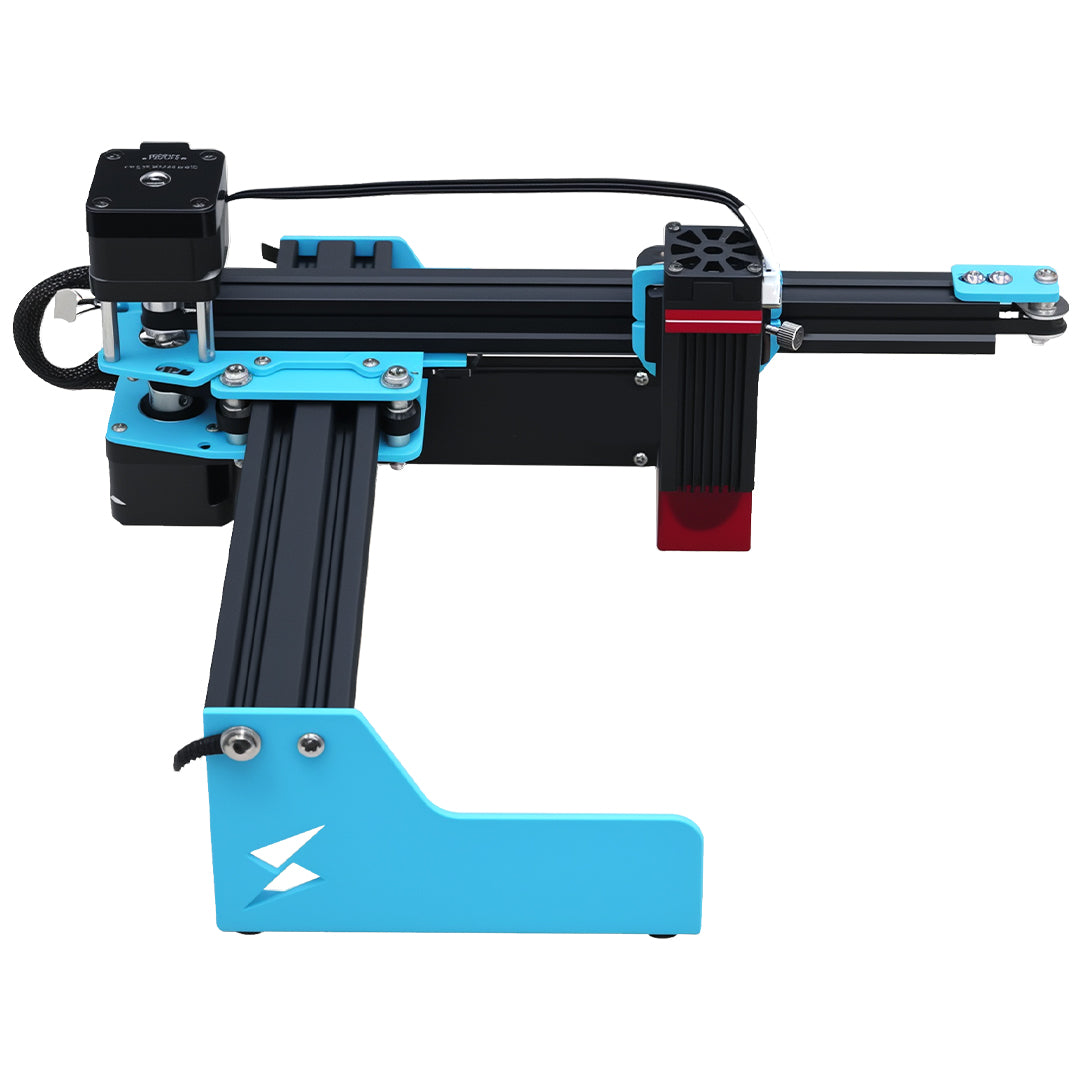
A1 Mini is a compact blue-diode workflow for small-craft learning and proofing. Confirm the live configuration, material guidance, controls, accessories, software, and regional availability before use. Compact size does not make unknown materials safe or replace ventilation, guarding, supervision, or manufacturer instructions. See the current A1 Mini product page for live details. This workflow makes no power, speed, throughput, profit, safety-certification, or universal material-result promise.
Two companion records: First Week With A1 Mini
Use Tyvok A1 Mini Small Craft Price Floor Worksheet and Tyvok A1 Mini First Photo Engraving Three Tone Test when those separate variables apply. Each needs its own named sample and decision.
Buyer FAQ: First Week With A1 Mini
What should a first-week baseline include?
Include setup photographs, the current instruction version, one identified material, one named control file, the accepted sample, and written stop conditions. Record focus, placement, ventilation, and the inspection result.
Should I test every material immediately?
No. Begin with one documented material allowed by current guidance. Qualify other suppliers, lots, finishes, thicknesses, and geometries separately when you actually need them.
Can the baseline replace later maintenance checks?
No. It is a comparison point, not permanent approval. Repeat checks after maintenance, impact, unexplained motion, software or firmware changes, or any result that departs from the accepted sample.