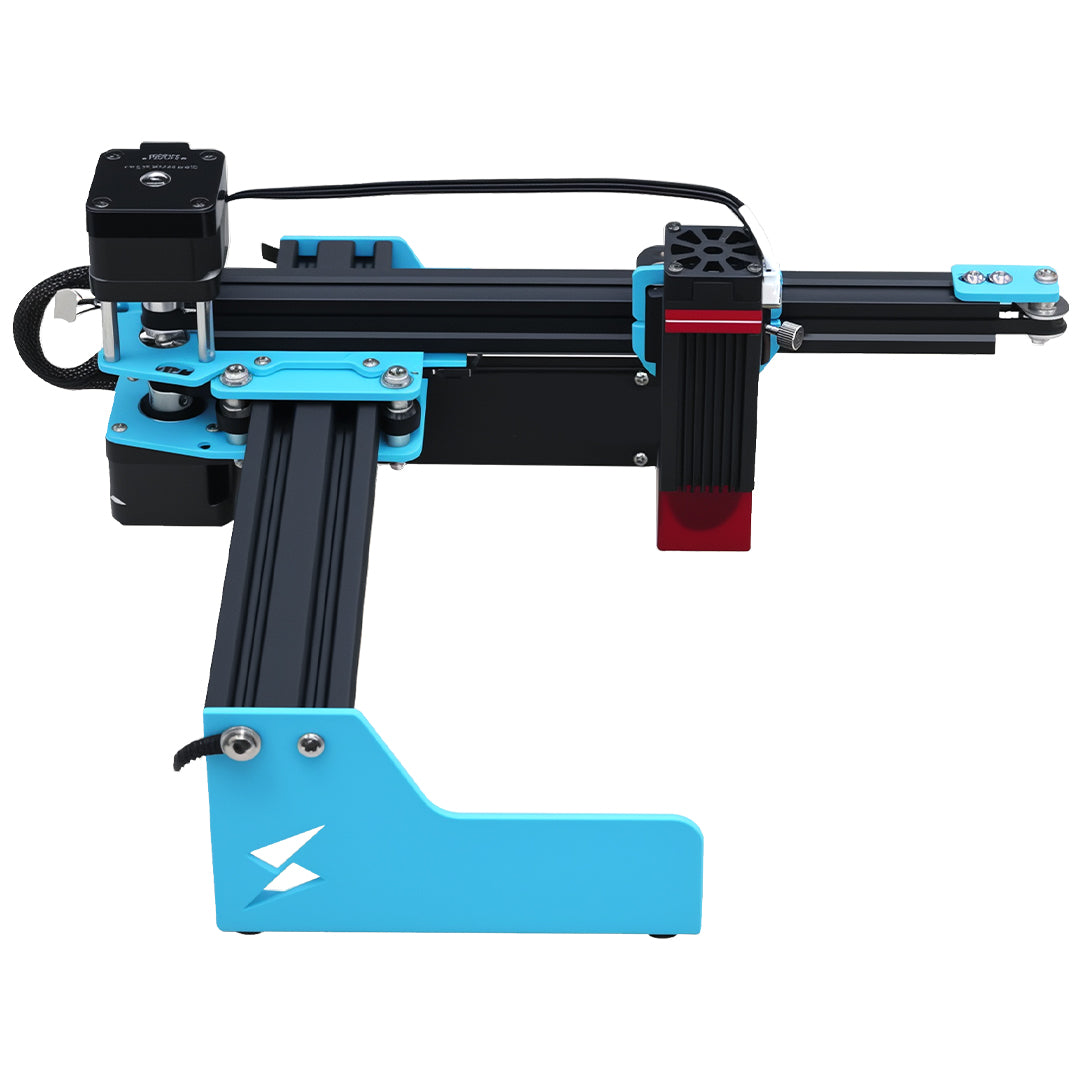


A batch of personalized leather keychains can fail before the laser is switched on. A missing accent, an empty name cell, or two identical names assigned to different orders can turn a clean engraving run into a fulfillment problem. For a TYVOK P2 job, prepare the name list and the physical blanks as one controlled batch. The point of the check is to make each finished item traceable to an approved order, not to assume a spreadsheet upload is a P2 feature.

Illustration of TYVOK leather gift applications; approve names and the actual keychain blank before production.
Start with the order, not the artwork
Create a working sheet with one row per physical keychain. Keep an internal order ID, the exact text approved by the customer, the blank color and finish, quantity, orientation, and the destination or packing reference. If an order contains two identical names, give the pieces separate row IDs. Do not collapse them into a single row merely because the engraving text matches. A repeat order and an accidental duplicate look identical in a text-only list.
Freeze the customer's spelling before layout. Preserve accents, punctuation, apostrophes, spaces, and capitalization in a source column. Make any production-friendly version in a separate column and obtain approval if it changes what the customer asked for. A font that lacks a character is a font problem, not permission to remove it. Keep the source record even after you convert text to outlines or rasterize the artwork.
Run four checks on the sheet
First, flag empty engraving fields. An empty field may be a deliberate blank product, but it must be marked as such. Second, flag duplicate order IDs and investigate them against the original order. Third, count the number of physical units implied by every row; compare that number with the blanks on the bench, including the planned proof and a sensible rework allowance. Fourth, sort by longest visible text. The longest name often drives the width and legibility test, while a short name may expose an unattractive amount of empty space.
| Check | What a failure can mean | Release decision |
|---|---|---|
| Empty name | Missing customer input or an intentional unmarked blank | Hold until classified |
| Repeated order ID | Duplicate export, replacement, or multiple units | Match to order quantity |
| Unsupported character | Font or file conversion lost a glyph | Repair the file and re-proof |
| Longest name exceeds safe area | Text may clip or become too small | Revise layout, then approve |
This is a document check. It does not prove that the material will mark well. Leather and leather-like products vary by dye, finish, backing, and coating. Identify the exact stock and test a spare from the same lot. Avoid unidentified materials and anything containing PVC or other halogenated material. Provide effective exhaust, supervise the laser continuously, and stop if flaming or unusual fumes appear.
Tie the digital row to a physical piece
Make a temporary row label for each blank or fixture position. If you process several keychains together, photograph or record the layout before the run. A fixture number should point to one spreadsheet row; do not rely on memory after blanks are moved for cleaning or assembly. Check whether the attachment hardware will cover the design and whether the text is upright when the finished keychain hangs from its ring. Those are different checks from the spelling proof.
On the TYVOK P2, the compact galvo format suits small personalization work, but available power depends on the installed module. Do not reuse a setting from another machine or another leather lot. Start with a low-risk test on the actual blank, use the preview or framing method supported by your setup, inspect the result after cooling, and record the chosen settings with the material lot. Mark only after the text, position, and surface test are approved.
Approve the proof and close the batch
The first good-looking sample is not enough. Check the longest name, a name with a special character, and a short name in their final orientation. Confirm the actual order ID on the packaging record. During the run, mark each row as engraved, inspected, assembled, and packed in separate columns. If a piece fails inspection, keep its row open and create a replacement record rather than silently marking the order complete.
Before shipping, compare the counted finished pieces with the approved units, then spot-check the text against the source order rather than against the edited design file. This last comparison catches mistakes that look perfectly consistent inside a flawed production sheet. For other compact gift layouts, the three-line wood placard proof shows why the longest name deserves attention before a full run.
Questions to settle before accepting the order
Can I combine identical names into one design file? You can reuse an approved design, but retain separate unit IDs so quantity, finish, and packing remain auditable.
Should I shorten a name to make it fit? Only with customer approval. First test a different layout or a compatible larger blank.
Will a successful test on one leather keychain cover every color? No. Dye and surface finish can change the mark, so qualify each relevant material lot and finish.
See the P2 personalization setup
For name-list work on small gifts, view TYVOK P2 configurations and buy the appropriate module after confirming your blank and proof workflow.