

One Sheet Burns Through and Still Won't Cut? Isolate the Zone
When one plywood sheet both chars and fails to cut, stop the run and isolate material position, support, focus, optics, airflow, and contamination before any fresh sample.

Define the failure before changing anything
A June 2026 user reported simultaneous burn-through and incomplete cuts at different positions on one sheet.
The useful method here is controlled quadrant-and-rotation test separating material position, sheet identity, support residue, focus, optics, and air delivery without promising a setting.
Build a controlled comparison
| Observed pattern | After sheet rotation | Likely branch | Next action |
|---|---|---|---|
| Failure stays on sheet quadrant | Moves with sheet | Material/glue/void branch | Hold lot and inspect stock |
| Failure stays at bed position | Does not move | Support/position branch | Inspect support, underside, focus |
| Both change | Mixed interaction | More than one factor | Stop and rebuild controlled sample |
| Flame or growing char | Not repeated | Immediate safety stop | Power down and discard damaged coupon |
Make one safe change at a time
- Stop the production sheet after the first flame or abnormal-char symptom.
- Label four quadrants and photograph the underside/support.
- After safe inspection, use a fresh identified coupon for a controlled rotation test.
- Escalate the branch without defaulting to more power or another pass.
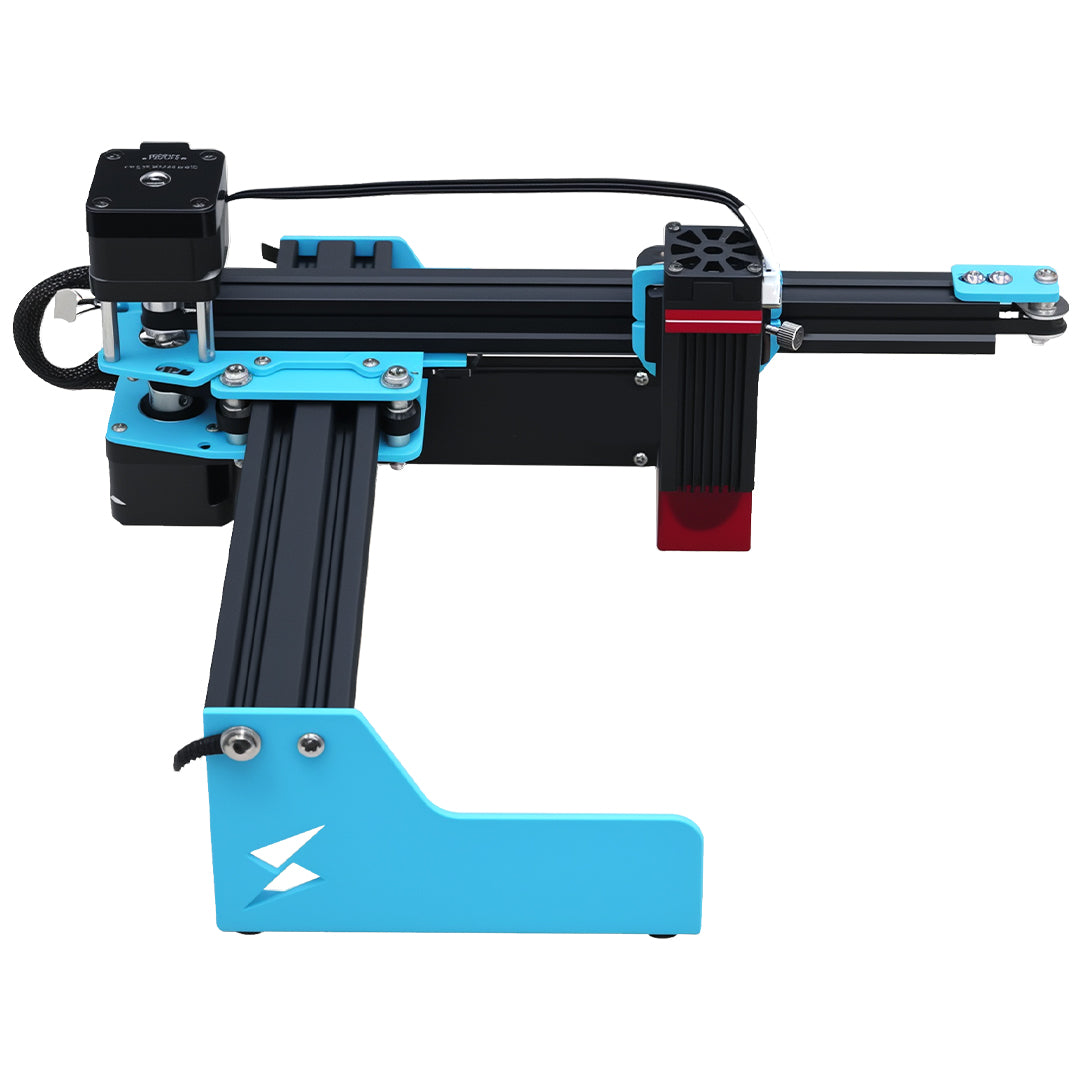
TYVOK X1S 2026 facts for sheet quadrant and orientation
The current X1S 2026 page starts at 800 × 800 mm and lists an 800 × 2000 mm expansion path; see the current TYVOK X1S 2026 configuration.
Growing char or flame ends the plywood run; cool and inspect under current guidance instead of adding a pass to glue-unknown or damaged stock.
References for underside and support condition
- Map plywood edge, bow, and support failures
- Recheck the expanded exhaust route
Buyer questions about sheet quadrant and orientation
Should I add another pass?
No. More passes can add heat and fire risk without solving glue, void, focus, support, optic, or airflow problems.
How does rotating the sheet help?
If a symptom moves with the rotated sheet, material becomes more likely; if it stays at the machine position, inspect that position under current guidance.
When should the whole lot be held?
Hold the lot when identified sheets repeat the defect or material evidence is uncertain; do not consume the lot while diagnosis is open.