

Direct Answer
Check TYVOK X1S 2026 support tabs in one layered forest scene before a large wall art run so thin tree shapes survive handling and assembly.

Why This Looks Easier Than It Is
Large layered wood art remains visible in X1S-style project cases, and intricate forest scenes create a specific failure point: thin tree islands and foreground shapes need support tabs before scaling up.
First-Piece Checklist
- Use the real blank, not a substitute, for the first layered forest wall art and large multi-layer decor runs sample.
- Check whether thin layered forest details breaking because support tabs were not planned before scaling is still visible once the real edges, hardware, or spacing are in view.
- Look at the sample from the same distance or angle the buyer will use.
The Buyer Situation Behind It
This question usually shows up in layered forest wall art and large multi-layer decor runs because thin layered forest details breaking because support tabs were not planned before scaling becomes easy to spot once the piece is seen the way the buyer will actually see it.
The Visual Problem to Catch Early
The expensive mistake is assuming thin layered forest details breaking because support tabs were not planned before scaling will somehow feel smaller once the order is finished. It almost always feels larger once the real object is in hand.
Proof Decision Table
| Checkpoint | Pass Criteria | If It Fails |
|---|---|---|
| Thin trees | Narrow trunks survive lifting from the sheet | Keep support tab size |
| Foreground layer | Small islands align without flexing during stacking | Approve layer order |
| Assembly lift | A full-size proof can be handled without cracking | Move to wall-art batch |
| Reject point | Tabs look accidental or details still break | Simplify the artwork |
Conservative TYVOK Fit
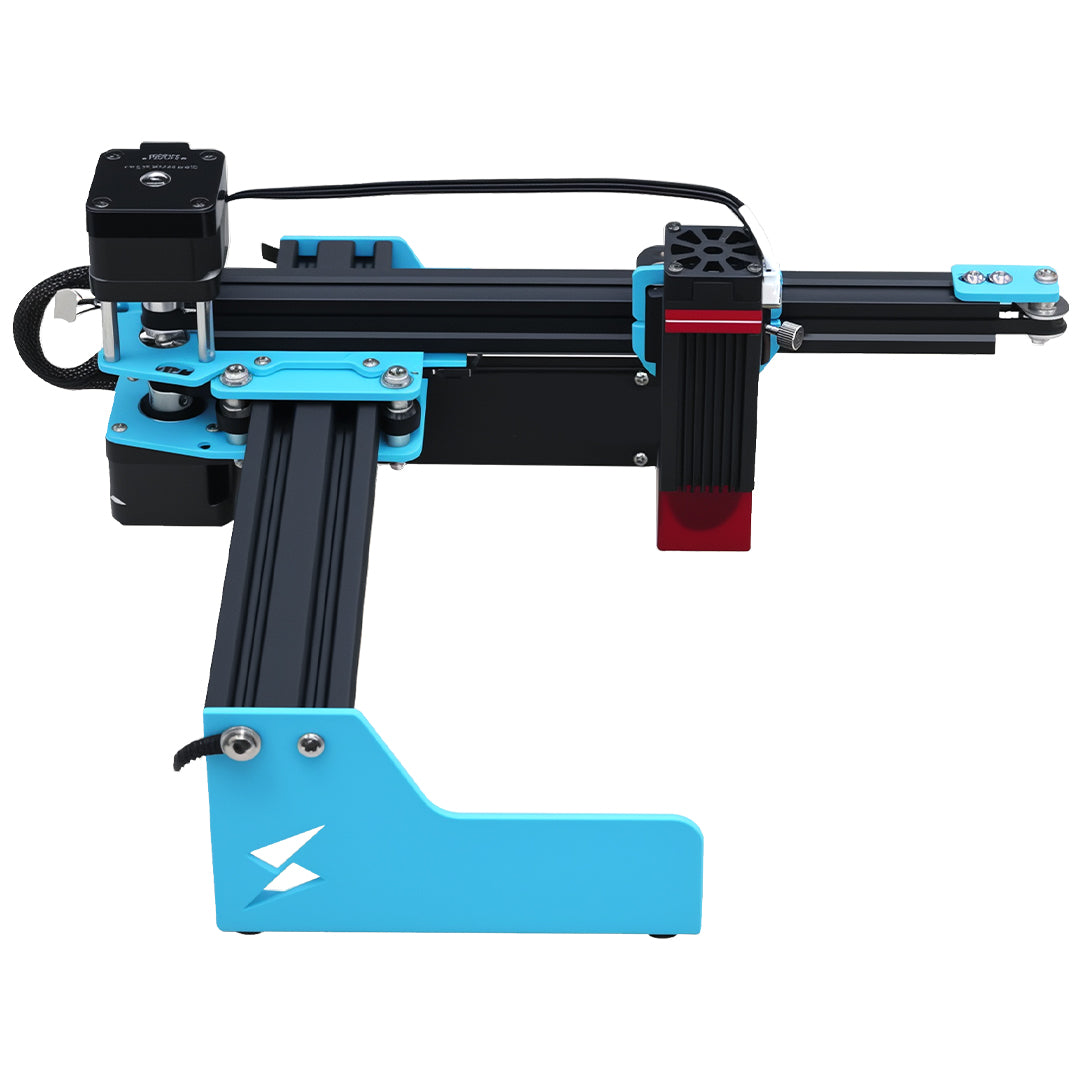
TYVOK X1S 2026 fits this layered-art topic because the proof is about large sheet handling and fragile support tabs. The article should keep the promise to the tested wood thickness and design complexity.
Buyer FAQ
Which parts of a layered forest scene break first?
Thin trees, antlers, branch tips, and small foreground islands usually break first during handling or stacking.
How many support tabs should be tested before scaling?
Enough to lift and assemble the piece without flexing fragile shapes; prove this on the actual layer style.
Should the first proof be full size?
At least one critical area should be tested near final size, because tiny bridges behave differently when scaled.
When should a forest scene be simplified?
Simplify when support tabs start looking like accidental artifacts or fragile pieces still flex.
Related TYVOK Reads
- Official TYVOK X1S 2026 product details: verify current specifications and options before turning this proof into a customer quote.
- TYVOK X1S 2026 LED Acrylic Sign Edge Clearance Before Gaming Room Orders: Adds acrylic base-slot, glow-edge, and no-PVC material boundaries for lit desk or room signs.
- TYVOK X1S 2026 Garage Sign Screw-Hole Placement Before Summer Workshop Orders: Shows how mounting holes and wall-viewing distance change a sign layout before the final board is cut.
- TYVOK X1S 2026 Market Booth Price-Board Slot Width Before Summer Fair Restocks: Gives a physical insert-fit check for sellers using printed cards, finish thickness, and reusable fair displays.
- TYVOK X1S Pro School Donor Wall Name Sort Order Before Install Day: Covers approved name lists, tier order, panel maps, and install-day control for recognition walls.
Check Current Product Details
Confirm current options and workflow framing on the official product page before promising anything beyond this conservative use case: https://tyvok.com/products/tyvok-spider-x1s-laser-engraver-cutter