

Masking can reduce visible smoke residue, but removal timing also affects edge inspection and cleanup labor. Compare a documented paper mask removed after cooling with an unmasked control on the same plywood sample. Never use unknown adhesive films, PVC-backed products or masking as a substitute for correct ventilation.

Current smoke-residue support guidance makes masking and cleanup timing a distinct finishing decision. Current demand source. The linked demand reference explains why buyers raise this question; product capability still comes only from current TYVOK documentation and physical qualification.
Verify the mask before it enters the laser area
Record the manufacturer, product and adhesive construction. Use only material documented as suitable for the intended laser process, and keep the plywood identity equally specific. An unlabeled roll is not acceptable merely because it resembles paper.
Pair masked and unmasked coupons
Place matched shapes on the same sheet zone and hold all process inputs constant. Label the coupons before processing. After they cool, inspect the top face, edge, underside and cleanup time; do not judge only the first photograph.
Separate removal from final inspection
Define whether removal happens after cooling, before assembly or after a documented finishing step. Pull slowly so lifted fibers or adhesive residue remain visible. If the mask hides an incomplete edge or abnormal heat effect, the apparent clean surface is not a pass.
Evidence table for plywood masking removal timing
| Record | Masked coupon | Unmasked control |
|---|---|---|
| Top residue | photo after removal | photo after cooling |
| Edge | complete inspection | same inspection |
| Cleanup | minutes and method | minutes and method |
| Damage | lift, adhesive or fiber | smoke or handling marks |
Release rule for plywood masking removal timing
Adopt masking only when the identified product reduces total finishing work without concealing defects or introducing residue. Requalify when plywood, mask, adhesive lot or finishing method changes.
TYVOK X1S 2026 boundary for plywood masking removal timing
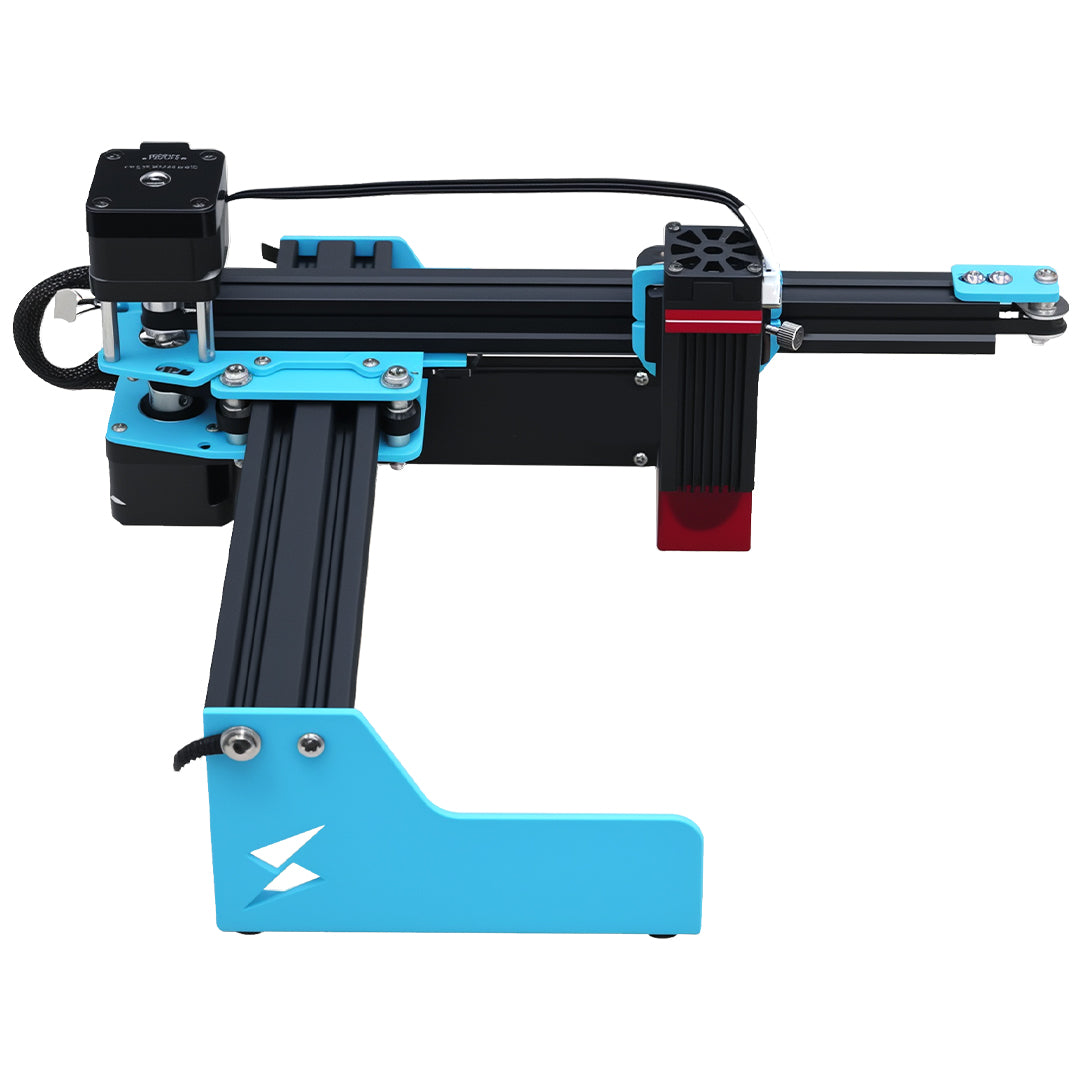
X1S 2026 is presented for lightweight large-format work, beginning at 800 x 800 mm with an expansion path up to 800 x 2000 mm in current configurations. Masking does not make unknown plywood or adhesive safe. Attend the full operation, maintain effective exhaust, and stop for flame, persistent smoke or abnormal heat. Review the current TYVOK X1S 2026 page before purchase or use.
Related decisions after plywood masking removal timing
Continue with Laser Plywood Glue and Voids: Qualify the Sheet Before a Large Cut when its separate variable applies. Use Plywood Back-Burn: Separate Bed Residue From Top-Side Settings for the second neighboring decision. Neither guide replaces the evidence required here.
Buyer questions about plywood masking removal timing
Can ordinary transfer tape be used?
Only when its exact construction is documented as suitable; reject unknown films and PVC-containing products.
Should the mask be removed while hot?
Follow the documented material process and compare a safe cooled control; this article gives no universal timing.
Does a clean top mean the cut passed?
No. Inspect edge, underside and completeness after safe cooling.
Check the machine before buying
For the material and workflow discussed above, review TYVOK X1S 2026 configurations and purchase options after testing the exact project materials and setup.