

Measure engraving's contribution by comparing an otherwise equivalent unpersonalized product with its personalized version. Total product sales include the value of materials, construction, distribution and other work. Only the additional revenue, less the additional costs, describes the contribution from adding engraving.
A July 1, 2026 owner discussion distinguishes overall product revenue from a logo's added value. That observation motivates this accounting approach; the arithmetic below is hypothetical and does not predict TYVOK earnings.
Start with the sale you already make
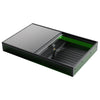
Choose a product sold both ways, such as an eligible wooden presentation box. Use the same box quality, quantity, delivery terms and sales channel. Comparing a personalized premium gift set with an inexpensive empty box would mix several changes into the result.
Record the actual price paid after discounts. Then identify work that appears only because personalization was added: artwork handling, customer proof approval, setup, supervised processing, cleanup, inspection and possible replacement of a valuable finished item. Material approval for the complete box, including finish and glue, must precede processing on the selected machine and extraction setup.
| Illustrative X1S Pro comparison per box | Amount |
|---|---|
| Unpersonalized sale | $40.00 |
| Personalized sale | $49.00 |
| Additional revenue | $9.00 |
| Additional labor | $3.00 |
| Added consumables and energy allocation | $0.60 |
| Additional selling fees | $0.40 |
| Expected replacement allowance | $1.00 |
| Incremental contribution before fixed costs | $4.00 |
The calculation is $9.00 minus $5.00. It does not say that engraving generated the whole $49 sale, nor that $4 is net profit. The replacement allowance is an assumed planning input; replace it with a justified estimate and later reconcile it against actual replacements.
Include costs that sit outside the beam path
A name correction can consume customer-service time without using the laser. Track those minutes. If the order also adds rings or fittings, keychain hardware assembly labor demonstrates why finishing tasks need their own line rather than disappearing into a blank-material price.
Queue organization can change the added labor allocation. Compare actual orders using the artwork-family versus order-sequence time study; do not import another shop's timing. Allocate shared setup across the quantity actually delivered, especially when cancellations reduce the order after preparation has started.
Fixed costs still matter. Enclosure, extraction, equipment ownership, software and space may require a separate monthly decision. Also ask what the same operator and equipment would otherwise do. A positive contribution does not prove personalization is the best use of constrained workshop time.
What the machine page can establish
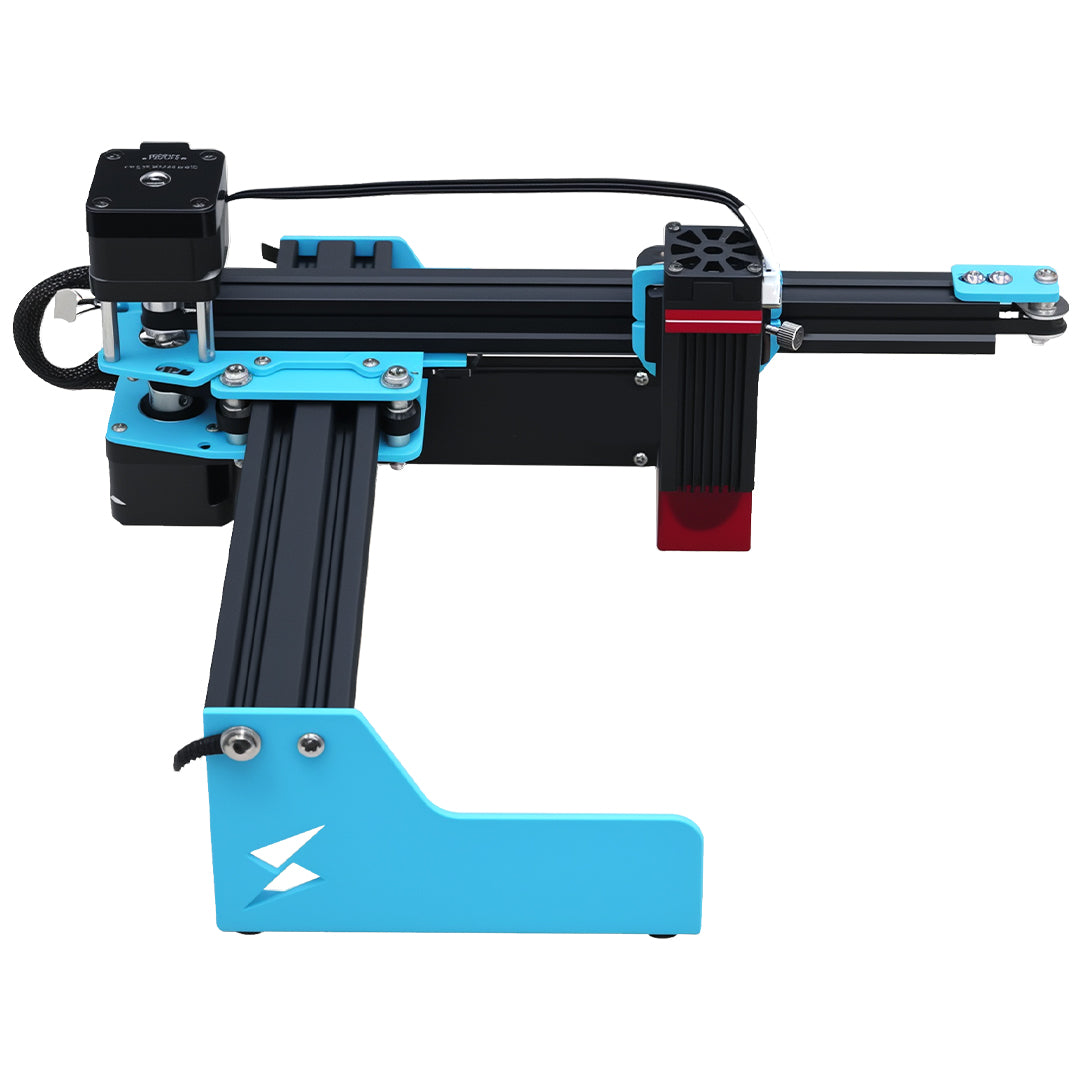
The current TYVOK X1S Pro listing describes a large-format platform with LightBurn support. Those are workflow facts, not economic outcomes. Confirm the selected configuration, workpiece clearance and exact material process before building an estimate around finished products. Keep supervised machine time in the calculation.
What if personalization helps sell the whole box?
It may, but that needs evidence. Compare comparable offers and record conversion, discounts and returns over a meaningful period. Until then, separate the measured personalization surcharge from the unproven claim that no box would sell without engraving.
Should I count my own time when there is no employee?
Yes, record it even if you present cash cost and time cost separately. Ten minutes spent resolving names is ten minutes unavailable for another task. A chosen hourly value makes the tradeoff visible without pretending it was a cash wage payment.