

What is Delrin (Acetal) and Can You Laser Cut It? Complete Guide 2026
Meta Description: Wondering if you can laser cut Delrin acetal? Our complete 2026 guide covers everything you need to know about laser cutting Delrin, including safety, settings, and best practices.
Introduction
Delrin — also known as acetal or polyoxymethylene (POM) — is a popular engineering plastic used in all kinds of mechanical and industrial applications. It's known for being extremely durable, dimensionally stable, and resistant to wear and moisture. But if you're a laser owner, you might be wondering: can you laser cut Delrin?
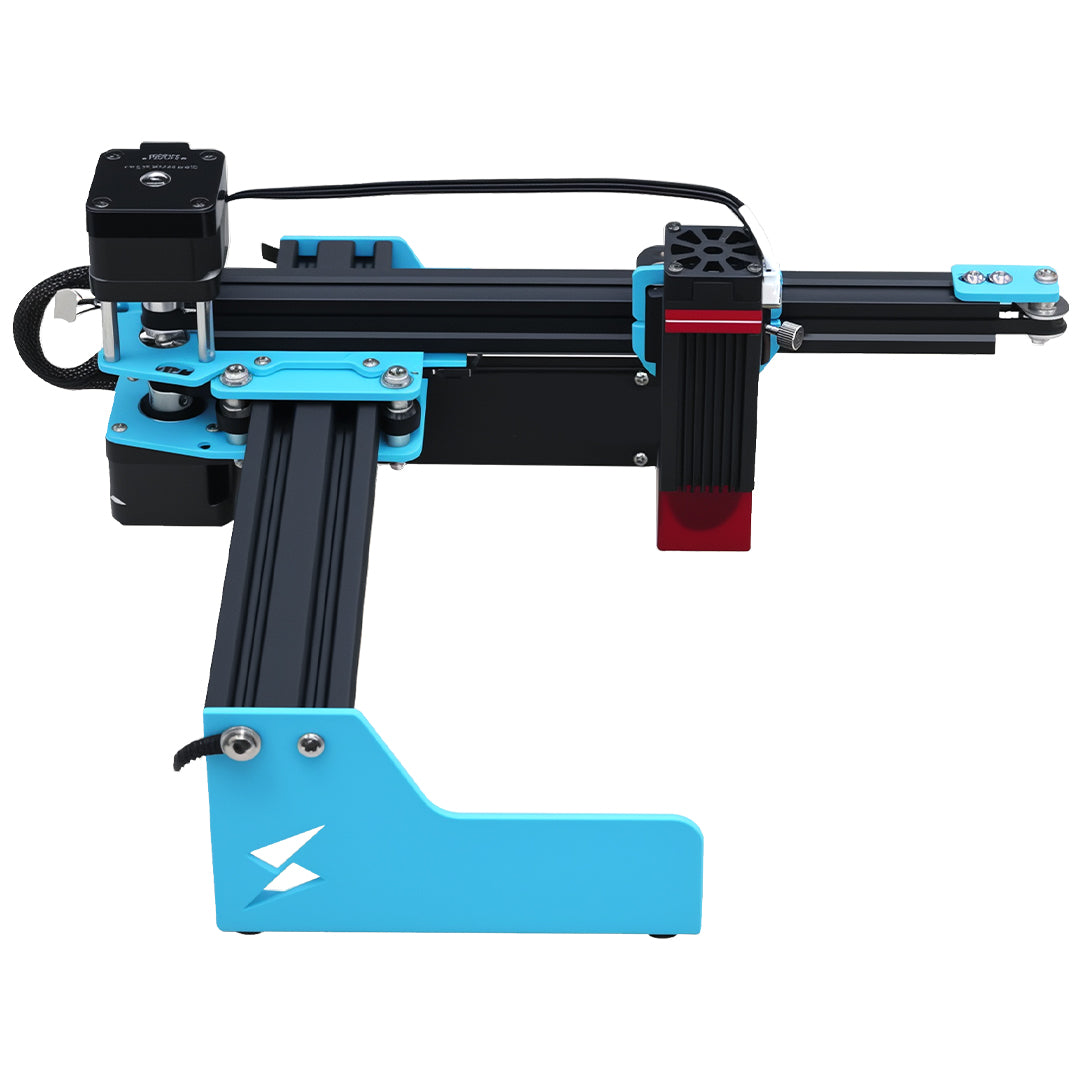
The short answer is yes, you can laser cut Delrin acetal, and it actually cuts pretty well with modern diode and CO2 lasers. Whether you're using an entry-level machine like the Tyvok A1 Mini 10W diode laser or a more powerful machine for thicker materials, Delrin can be laser processed successfully when you follow the right procedures.
In this guide, we'll cover everything you need to know about laser cutting and engraving Delrin acetal, including what it is, why people use it, safety considerations, recommended settings, and tips for getting the best results.
What is Delrin (Acetal)?
Delrin is the brand name for polyoxymethylene (POM), which is a high-performance engineering thermoplastic. It was developed by DuPont in the 1950s, and today the name "Delrin" is often used generically to refer to all POM acetal materials.
Key characteristics of Delrin include:
- Excellent dimensional stability: It holds its shape very well even under mechanical stress and temperature changes
- Low friction: Has naturally low surface friction, making it good for moving parts
- High strength and stiffness: Stronger than many plastics
- Moisture resistant: Doesn't absorb water like many other plastics
- Chemical resistant: Resistant to many solvents and chemicals
- Good machinability: Can be cut, drilled, and machined with precision
Delrin comes in two main forms:
- Homopolymer (Delrin): Higher crystallinity, better strength and stiffness
- Copolymer (Acetal): Better thermal stability and easier to process
For most purposes, the differences between homopolymer Delrin and copolymer acetal don't matter much for laser cutting.
Common Uses for Delrin
Because of its excellent mechanical properties, Delrin is used in a wide range of applications:
Mechanical and Industrial Applications:
- Gears
- Bearings
- Bushings
- Jigs and fixtures
- Machine components
- Fasteners
Consumer and DIY Applications:
- 3D printed replacement parts (when you need something stronger than PLA/ABS)
- Custom knife handles
- Guitar parts
- Lock components
- Robotics parts
- Model engineering
If you're making custom jigs and fixtures for your laser or 3D printer, Delrin is often the material of choice because of its durability and stability.
Can You Laser Cut Delrin?
Yes, you can definitely laser cut Delrin acetal. It cuts relatively cleanly compared to many other plastics, and it produces good edge quality with the right settings.
That said, it's not without some important considerations:
The Good:
- Cuts cleanly with relatively little residue
- Produces very little warping compared to some other plastics
- Holds dimensional accuracy well
- Good edge quality that doesn't require much post-processing
- Works with both CO2 and diode lasers
The Not-So-Good:
- Releases formaldehyde when cut (more on this in safety)
- Can produce some irritating fumes
- Thick sheets require higher power
- Not the cheapest material to experiment with
Overall, if you take the proper safety precautions, Delrin is totally laser-cuttable and works great for many projects.
Safety Considerations When Laser Cutting Delrin
This is the most important section, so pay attention. When Delrin is laser cut or engraved, it releases formaldehyde gas.
Formaldehyde is a toxic substance that can cause:
- Irritation to eyes, nose, and throat
- Respiratory problems
- Headaches
- Long-term exposure has been linked to cancer
What this means for you:
-
Absolutely must use very good ventilation: You need a proper fume extractor that can handle the fumes. Don't even think about cutting Delrin without adequate ventilation.
-
Don't cut Delrin in an unventilated room: Even with an extractor, make sure the room has good air exchange.
-
Clean your laser after cutting: Delrin can leave some residue inside your laser chamber. Clean it out periodically to prevent buildup.
-
Keep the laser room well-ventilated after cutting: Let the air exchange for a few minutes after you finish cutting Delrin before you open the laser door and go in.
Is it dangerous if you take proper precautions? No — if you have good ventilation and a proper fume extractor, you can cut Delrin safely. Many people cut Delrin regularly with their lasers without issues. The key is that you must have proper extraction. If you don't have a good fume extractor, don't cut Delrin.
The safety guidelines for using a laser like the Tyvok A1 Mini always emphasize good ventilation, and this is even more important when cutting materials like Delrin that release known toxic fumes.
Recommended Laser Cutting Settings for Delrin
Settings depend on your laser power and the thickness of the Delrin sheet. Here are some good starting points. Always test on a scrap piece of the same thickness first.
For 10W Diode Laser (like Tyvok A1 Mini):
| Delrin Thickness | Speed | Power | Passes |
|---|---|---|---|
| 1/16" (1.5mm) | 150-200 mm/s | 80-100% | 1 |
| 1/8" (3mm) | 80-120 mm/s | 80-100% | 1-2 |
| 3/16" (4.5mm) | 50-80 mm/s | 100% | 2-3 |
The 10W diode in the Tyvok A1 Mini can handle Delrin up to about 1/4" (6mm) with multiple passes, though cutting thicker than 1/8" will be slower.
For 50W CO2 Laser:
| Delrin Thickness | Speed | Power | Passes |
|---|---|---|---|
| 1/16" (1.5mm) | 300-400 mm/s | 50-60% | 1 |
| 1/8" (3mm) | 150-250 mm/s | 60-70% | 1 |
| 1/4" (6mm) | 80-120 mm/s | 70-80% | 2 |
For Galvo Lasers (engraving only):
Delrin engraves well with galvo lasers like the Tyvok P2. For 10W galvo:
- Speed: 300-500 mm/s
- Power: 40-60%
- 1 pass
Tips for Better Results Cutting Delrin
Here are some expert tips to help you get the best possible results when laser cutting Delrin:
1. Use Multiple Passes for Thicker Material
It's better to make multiple passes with moderate speed/power than to try and cut all the way through in one pass at full power. Multiple passes produce cleaner cuts, less heat buildup, and less charring.
2. Let the Smoke Clear Between Passes
Between passes, pause the job and let your fume extractor clear all the smoke from the laser chamber. Smoke absorbs the laser energy and can make subsequent passes less effective.
3. Secure the Material
Delrin sheets are usually pretty flat, but it's still a good idea to secure them to your laser bed with low-tack tape or hold-downs. This prevents any movement during the job, which is especially important if you're doing multiple passes.
4. Air Assist Helps
If your laser has an air assist, use it. Air assist helps blow away smoke and debris from the cut, producing cleaner edges and reducing charring. It also helps prevent flare-ups. The Tyvok A1 Mini comes with air assist, which definitely helps when cutting plastics like Delrin.
5. Minimize Heat Buildup
Delrin is a thermoplastic, so it can melt if it gets too hot. Cutting with multiple passes and reasonable speeds helps prevent excessive heat buildup, which can cause melting and rough edges.
6. Post-Processing
Delrin usually doesn't need much post-processing after laser cutting:
- The edges are generally pretty clean right off the laser bed
- You might have a small amount of residue on the cut edges that can be wiped off with a cloth
- Some people like to lightly sand the edges for an even smoother finish
- If you get any small burrs, they can easily be trimmed with a sharp knife
7. Ventilation is Everything
We already mentioned this in safety, but it bears repeating: make sure you have really good ventilation. Don't cut corners on this. A good fume extractor is non-negotiable when cutting Delrin.
Can You Laser Engrave Delrin?
Yes, you can absolutely laser engrave Delrin, and it actually engraves very well. The laser produces a light, frosty white engraving against the natural off-white/gray background of the material, giving good contrast.
Engraving Delrin is commonly done for:
- Adding part numbers and labels to mechanical components
- Personalizing custom knife handles
- Creating branding on custom parts
- Adding decorative patterns
Engraving doesn't produce quite as much formaldehyde as cutting through the entire material, but you still need good ventilation. The same safety rules apply.
Delrin vs Other Common Laser-Cut Plastics
How does Delrin compare to other plastics you might be considering for your project?
Delrin vs Acrylic (Plexiglass)
- Cut quality: Acrylic cuts more cleanly and produces perfectly clear edges when cut properly. Delrin cuts cleanly but edges are not transparent.
- Strength: Delrin is much stronger and more durable than acrylic, especially for mechanical applications.
- Safety: Acrylic cuts produce less toxic fumes than Delrin.
- Cost: Delrin is more expensive than acrylic.
- Best for: Acrylic for signs and decorative projects, Delrin for mechanical parts.
Delrin vs MDF
- Strength: Delrin is much stronger, stiffer, and more dimensionally stable than MDF.
- Moisture resistance: Delrin doesn't absorb water at all, while MDF swells when wet.
- Weight: Delrin is lighter than MDF of the same thickness.
- Cost: Delrin is significantly more expensive than MDF.
- Best for: Delrin for functional mechanical parts, MDF for jigs that don't need extreme durability.
Delrin vs Plywood
- Strength: Delrin has more consistent strength and dimensional stability than plywood.
- Moisture resistance: Delrin is completely moisture-resistant, plywood is not.
- Cost: Delrin is more expensive than plywood.
- Weight: Delrin is lighter than plywood.
- Best for: Delrin for moving parts and applications where moisture resistance is important.
Common Projects Using Laser-Cut Delrin
Here are some examples of projects where laser-cut Delrin is the perfect choice:
-
Custom Gears: Delrin's low friction and good wear properties make it perfect for small gears in mechanisms and robotics.
-
Jigs and Fixtures: If you need a durable, dimensionally stable jig for your workshop, Delrin is an excellent choice. It holds up better than MDF or plywood for repeated use.
-
Knife Handles: Many custom knife makers use laser-cut Delrin scales for knife handles because it's durable, lightweight, and can be easily shaped.
-
Robotics Parts: Delrin is popular in the robotics community for structural parts, brackets, and moving components.
-
Replacement Parts: If you need a replacement part for an older machine that's no longer available, you can laser cut it from Delrin.
-
Musical Instrument Parts: Guitars and other string instruments often use Delrin for nuts, saddles, and other components.
Conclusion
So, can you laser cut Delrin (acetal)? Yes, absolutely. Delrin cuts well with modern lasers, produces good clean edges, and is an excellent material for mechanical and engineering projects where you need strength and dimensional stability.
The key thing to remember is safety. Delrin releases formaldehyde when laser cut, so you must have good ventilation and a proper fume extractor. If you don't have adequate ventilation, don't cut Delrin. But if you follow the safety rules and use the right settings, you can get excellent results.
For beginners looking to cut thinner Delrin sheets (up to 1/8"), the Tyvok A1 Mini 10W diode laser has more than enough power to get the job done. If you're doing production work with lots of parts or need faster engraving of Delrin components, the Tyvok P2 galvo laser can handle the job quickly and accurately.
If you're new to laser cutting and want to learn more about working with different materials, check out our Best Materials for Engraving with Tyvok A1 Mini: Beginner's Guide 2026 for more tips and recommendations.