

Direct Answer

The best way to start engraving coated tumblers is not a full-wrap design. Start with a simple name or initials workflow, test the exact tumbler coating, lock the placement area, photograph finished samples, and only sell the colors and blanks you have already verified. TYVOK P2 is a fit when the job is compact personalization and the seller needs repeatable small-product output.
Key Takeaways
| Decision | Better first choice | Why it matters |
|---|---|---|
| Personalization style | Names, initials, short words | Easier to approve, align, and repeat |
| Blank type | One tested coated tumbler supplier | Coating changes can change the result |
| Product photo | Finished tumbler first | Buyers decide from the final look |
| Offer structure | Fixed design zone | Fewer mistakes and faster production |
| Machine fit | Compact galvo workflow | Good for small personalized marks |
Why Coated Tumblers Need a Controlled Workflow
Coated tumblers are attractive because customers understand the product quickly. A name on a cup is easy to picture, easy to gift, and easy to sell in a small catalog. The risk is that coatings are not all the same. Color, supplier, finish, thickness, and batch variation can affect how clean the mark looks.
That is why a serious tumbler workflow should begin with one supplier, one color family, and one design zone. The seller should make finished samples before publishing listings or accepting event orders. This is not slow. It is the shortest path to fewer refunds, better photos, and a more confident buying page.
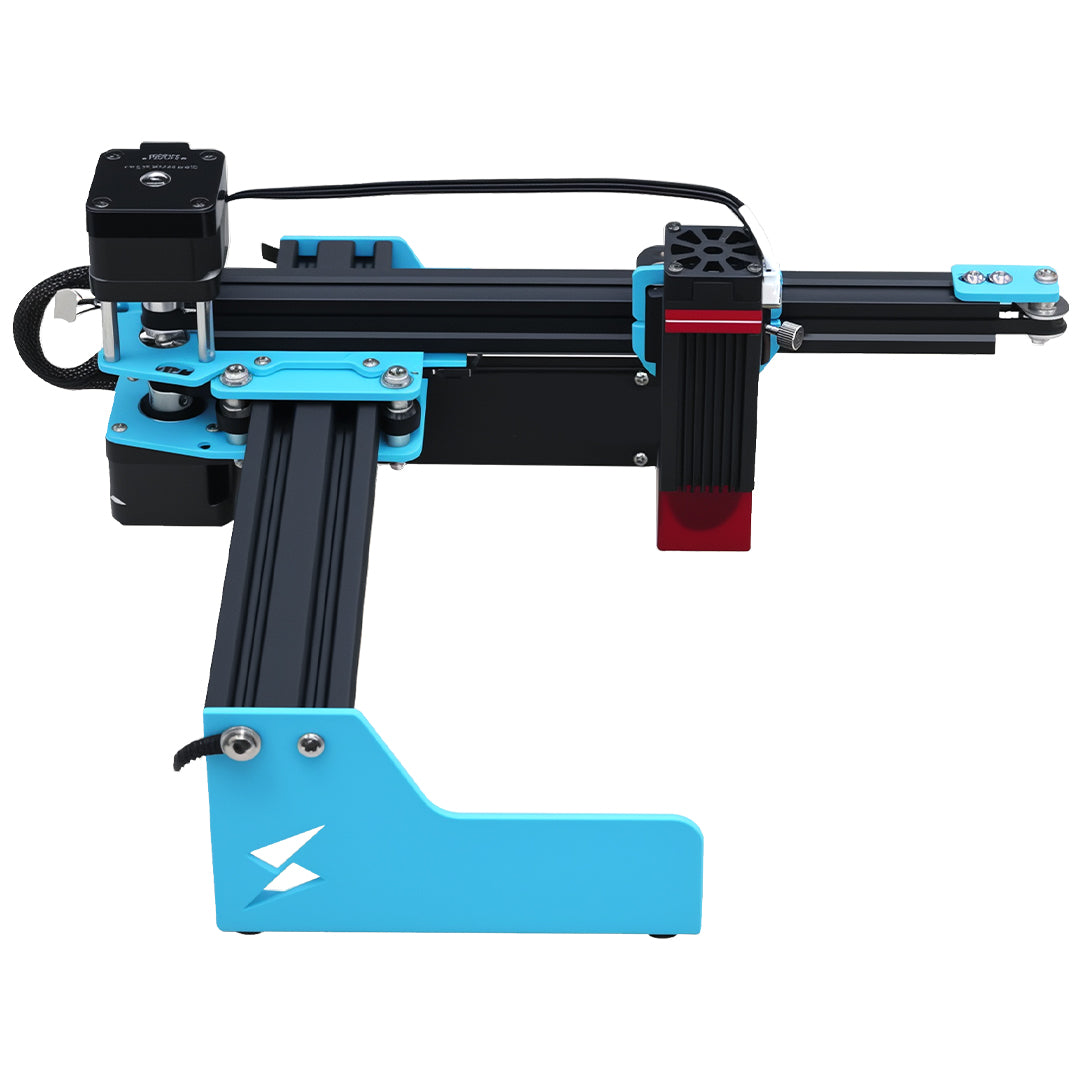
TYVOK P2 should be positioned here as a compact personalization machine, not as a universal promise for every drinkware surface. The strongest page shows what a controlled workflow can produce: a finished named tumbler, a close-up of the mark, and a simple note that results depend on the exact blank, coating, artwork, focus, and settings.
Start With Names Before Full-Wrap Designs
Full-wrap tumbler designs look impressive, but they are a poor first offer for most beginners. They require more alignment decisions, more customer approval steps, and more room for visible mistakes. A simple name workflow is easier to sell because the customer already knows what they want: a name, initials, team role, event date, or short phrase.
A useful first offer can be as simple as:
- One tumbler size.
- Three or four tested colors.
- One name position.
- One font family.
- One character limit.
- One finished sample photo per color.
This lets the seller learn the material without turning every order into a design project. It also makes the offer easier for customers to understand because the finished result, options, and limits are clear.
A Practical TYVOK P2 Tumbler Test Plan
Use this workflow before publishing a product listing or taking paid orders:
| Step | What to do | What to record |
|---|---|---|
| 1. Choose the blank | Pick one supplier and one tumbler style | Supplier, color, finish, size |
| 2. Create a name mark | Use a short name and simple font | Artwork file, size, placement |
| 3. Test placement | Mark the same area on two samples | Alignment notes and fixture method |
| 4. Inspect the result | Check contrast, edge quality, and coating behavior | Photos in daylight and close-up |
| 5. Set the offer | Publish only the tested version | Character limit, available colors |
This table gives a practical launch process before a seller accepts paid tumbler orders.
Do You Need a Rotary or Fixture for Tumblers?
For curved drinkware, the answer depends on the exact mark size, placement, and cup shape. A small name or initials mark on a limited area may be easier to test than a full wrap, but the cup still needs stable positioning. A rotary accessory, fixture, cradle, or repeatable positioning method may be required depending on the object and the workflow.
Do not sell a tumbler workflow until the physical setup is repeatable. The test should answer three questions:
| Setup question | Why it matters |
|---|---|
| Can the tumbler sit securely without shifting? | Movement can ruin alignment |
| Is the name area within a controlled mark zone? | Curved surfaces increase placement risk |
| Can the same placement be repeated on a second tumbler? | Repeatability is what makes it sellable |
This is where the workflow should stay honest. TYVOK P2 can be part of a compact tumbler personalization setup, but the seller still needs to confirm the blank, the holding method, and the mark area before taking paid orders.
What Your Product Photos Should Show

Your first product photo should not be only a machine photo or a blank tumbler. It should show the finished result: a personalized coated tumbler with a readable name or initials. The second image should be a close-up. The third can show a simple setup or a small group of finished cups.
Useful image set:
- Hero image: finished personalized tumbler on a clean counter or gift table.
- Detail image: close-up of the engraved name or initials.
- Workflow image: two or three tested colors with consistent placement.
- Optional video: short clip showing the finished item being picked up, rotated, or packed.
This matters because buyers do not purchase the abstract ability to engrave. They purchase the confidence that the finished product looks good enough to gift, sell, or use in an event.
Where TYVOK P2 Fits
TYVOK P2 is a better fit when the seller wants compact personalized products, fast sample loops, and repeatable small marks. A coated tumbler name workflow can fit that pattern when the personalization area is limited and the exact blank has been tested.
TYVOK P2 is not the right answer for every drinkware business. If the main goal is large wraparound artwork, large-batch rotary production, or unusual oversized drinkware, the buyer should evaluate the full workflow and any required accessories before deciding.
Use this buying rule: if your offer is names, initials, small logos, team roles, or event dates on tested coated items, TYVOK P2 belongs on the shortlist. If your offer depends on full-wrap artwork, high-volume drinkware production, or untested mixed coatings, confirm the fixture/rotary path and sample process first.
If this workflow matches the products you want to sell, the next step is to compare P2 with the related buyer guides:
- TYVOK P2 Galvo Laser Engraver
- P2 Tumbler Engraving Business Guide
- P2 Small Business Laser Engraver Guide
- Compact Laser Engraver vs Large Laser Machine
Common Mistakes
| Mistake | Why it hurts conversion | Better approach |
|---|---|---|
| Offering every color immediately | Untested coatings create inconsistent results | Launch with tested colors only |
| Showing blank tumblers only | Buyers cannot judge the result | Show finished samples first |
| Letting customers choose unlimited artwork | Slows production and raises error risk | Limit the first offer to names and initials |
| Copying settings from another blank | Coatings can vary | Test the exact supplier and color |
| Publishing before photographing samples | Weak listing trust | Photograph every approved sample |
How to Turn This Into a Sellable Offer
A simple coated tumbler listing should not say “custom anything.” That sounds flexible, but it also creates operational risk. A stronger offer is narrower:
“Personalized coated tumbler with name or initials, fixed placement, tested colors, and simple gift-ready presentation.”
That offer is easier for customers to understand and easier for the seller to fulfill. It also helps the page rank for practical search terms like “laser engraver for coated tumblers,” “personalized tumbler name engraving,” and “tumbler engraving small business workflow.”
FAQ
Q: Can every coated tumbler be engraved the same way?
A: No. Coated tumblers can vary by supplier, finish, color, and batch. Test the exact blank before selling it.
Q: What should beginners engrave first on tumblers?
A: Names, initials, short roles, or event dates are better first projects than full-wrap artwork.
Q: Is TYVOK P2 suitable for coated tumblers?
A: TYVOK P2 can be considered when the job is compact personalization and the exact coated item has been tested. Do not assume every coating behaves the same.
Q: Can a galvo laser engraver engrave curved tumblers?
A: It depends on the cup shape, mark size, and holding method. Curved drinkware may require a rotary, fixture, cradle, or other stable positioning method. Test the exact setup before selling.
Q: Do coated tumblers need testing by color?
A: Yes. Different colors and coatings can behave differently. A white coating, matte black coating, and glossy color coating should be treated as separate tests.
Q: What image should a tumbler article show first?
A: Show a finished personalized tumbler first, then a close-up of the engraved detail.
Q: Should I offer many tumbler colors at launch?
A: No. Start with a few tested colors and add more only after the results are repeatable.
Q: What makes a tumbler workflow profitable?
A: Clear personalization fields, repeatable placement, tested blanks, strong photos, and limited design options.
Conclusion
The best coated tumbler workflow is simple, tested, and visual. Show the finished result first, explain the test process, and keep the offer narrow enough to repeat. That is the right context for TYVOK P2: compact personalization with controlled blanks, not unsupported promises about every possible drinkware surface.