

Arabic names must reach the engraving preview with the correct joined letter shapes and reading order. Approve the rendered name with someone who reads Arabic before converting it to vector outlines. Reversing the character string or mirroring a broken result is not a reliable repair.
A user asking about Arabic text in a laser editor describes the difficulty of getting the script to appear correctly. That is a file-preparation concern for a TYVOK P2 personalization order; it does not establish an Arabic-language defect in the P2 itself.
Preserve both the text and its approved appearance
Ask the customer for the exact name as selectable text and a visual reference showing the intended spelling. Keep both. A screenshot preserves appearance but is a poor substitute for the editable spelling; plain text preserves characters but does not guarantee that another editor will shape them correctly.
Prepare the text in software that handles Arabic joining and right-to-left layout correctly. The chosen font must contain the needed characters. Compare the whole word with the approved reference, including letter connections and dots. Do not judge the name solely by counting characters: shaping changes how characters appear in context.
For a name accompanied by an order number, check the two elements separately. An illustrative order containing an Arabic name and the number 1207 should retain that numeric sequence. Manually reversing the entire line can damage the number while making the name appear superficially more familiar to a nonreader.
A compact P2 approval sheet
| Item to record | What the customer approves | What to compare after import |
|---|---|---|
| Name alone | Spelling, joining and dot placement | Same visible word shape |
| Name plus number | Order and position of both elements | Number stays in approved sequence |
| Final artwork size | Readability and placement on the blank | Width and height match the proof |
| Output copy | Approved shapes converted only after checking | No substituted boxes or missing marks |
Once the rendering is correct, save an editable master and make an outlined copy for transfer if the receiving workflow supports it. Reopen that copy in the actual preparation application. Outlining freezes what was there, including any mistake, so it belongs after language approval.
If a decorative letter is also involved, alternate-glyph selection is a separate check. It cannot replace the joining review. When moving the approved name into a digital positioning layout, lock the jig reference so later text edits do not move the reference artwork.
Fit the approved word to the actual blank
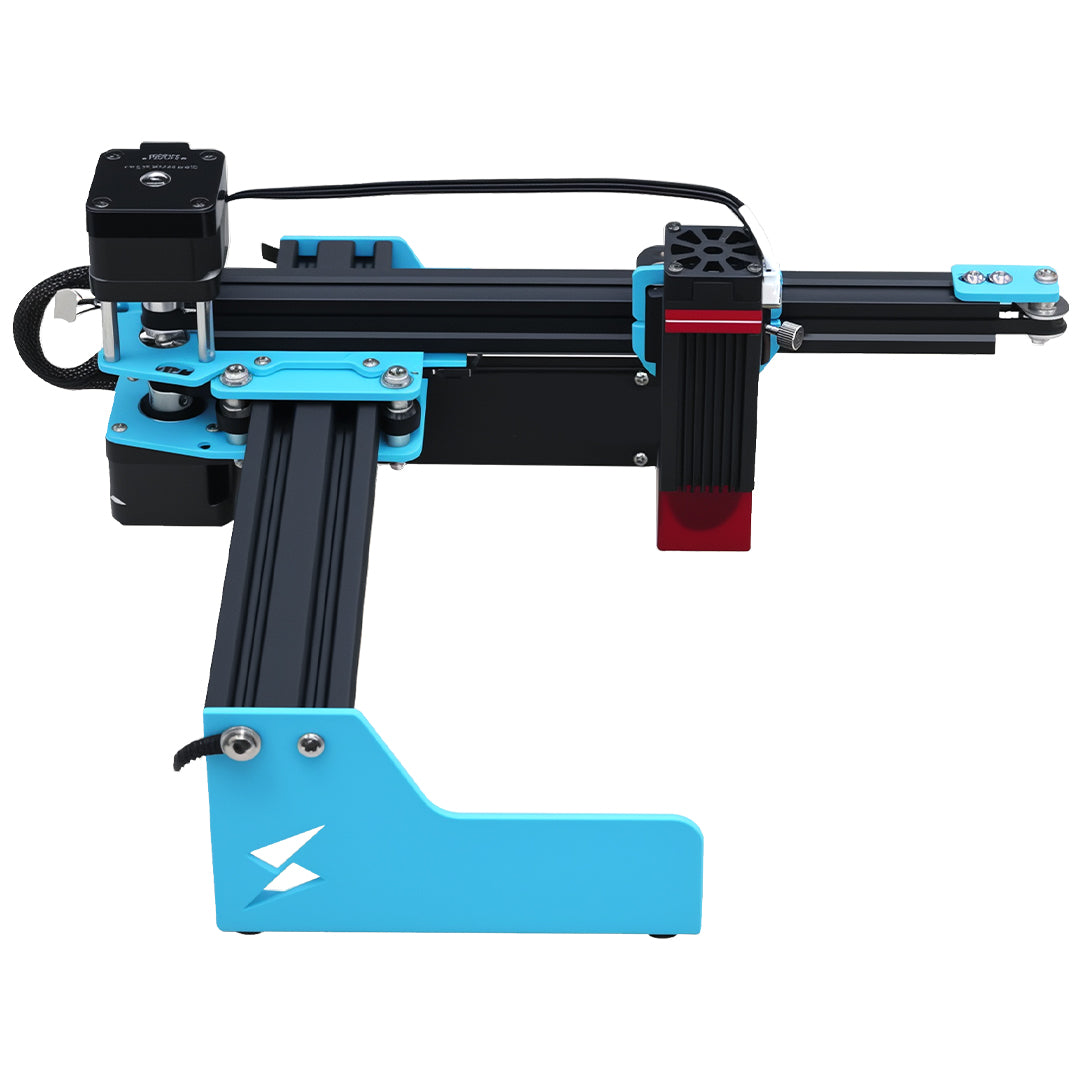
The TYVOK P2 listing describes a compact galvo workflow and a 60 × 60 mm work area. Use that as a layout boundary, not a promise that every font detail will reproduce clearly. Confirm the installed software and device setup, then use documented compatible stock and an approved sample process. A language-correct file can still be too small to read on the selected surface.
Can I just mirror Arabic text that looks backward?
No. Mirroring changes the shapes themselves. Resolve direction and shaping in the text editor, then obtain approval of the actual visible result before any permanent mark.
Is an outlined name still editable as normal text?
Usually it becomes geometry rather than a text object. Keep the original editable name for spelling changes; regenerate and reapprove the transfer copy instead of trying to reconstruct letters from old outlines.