

Direct Answer
Identify laser-safe faux leather before TYVOK P2 notebook-cover orders so you test blanks that are actually worth engraving instead of guessing from the marketplace listing.
Separate Look From Laser Suitability
Current leatherette discussions keep warning that notebook-cover sellers still buy attractive faux leather first and only ask laser-safety questions after the blank is already on the bench.
A Safer Three-Step Blank Screen
How to Identify Laser-Safe Faux Leather for Notebook Covers is a useful search topic because it turns a vague buyer worry into a concrete shop decision. The article should help the operator prove the risky part of custom notebook covers before the product page, quote, or order promise goes live.
- Ask the supplier for material family details before engraving.
- Reject PVC or unknown vinyl-like stock.
- Test smell, residue, edge behavior, and cleanup on one spare cover.
- Keep the approved blank SKU separate from lookalike variants.
When To Stop Testing The Notebook Cover
| Stage | What You See | What To Do Next |
|---|---|---|
| Listing says faux leather only | Do not engrave yet | Get composition details or choose a known laser-safe blank |
| Test cut smells sharp or leaves sticky residue | Stop the material | Switch blanks before TYVOK P2 settings become the focus |
| Mark cleans up evenly | Continue with a small proof | Save supplier, color, and batch notes |
| New color arrives under the same listing | Retest | Treat it as a new material until proven otherwise |
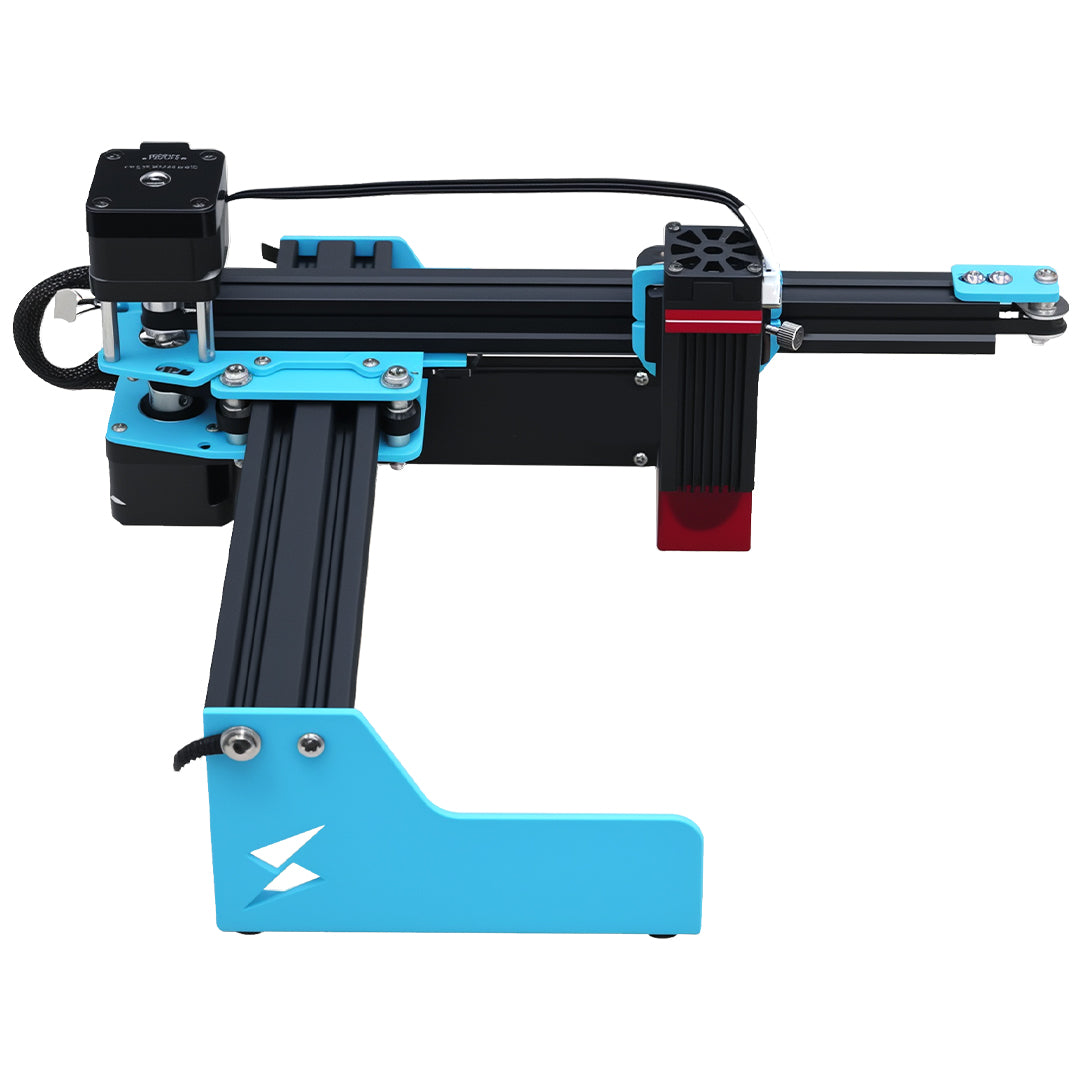
How TYVOK P2 Fits This Compact Leatherette Job
TYVOK P2 fits this article because the workflow sits inside compact leather, tag, and gift work where tiny layout decisions matter more than bed size. For this material safety topic, the SEO value comes from answering the practical pre-order check rather than repeating a generic machine pitch.
FAQ For Notebook-Cover Sellers
What should I prove before selling custom notebook covers?
Prove the buyer-visible risk first: ask the supplier for material family details before engraving. If that cannot be shown on one honest sample, the article topic is still a test plan, not a listing promise.
When is How to Identify Laser-Safe Faux Leather for Notebook Covers not ready for a paid order?
It is not ready when the weak point still shows after reject pvc or unknown vinyl-like stock. One more settings change is less useful than narrowing the blank, layout, or service promise.
What should stay with the job record after How to Identify Laser-Safe Faux Leather for Notebook Covers passes?
Keep the approved sample photo, the blank or board source, and the exact pass condition. That is what lets the next operator repeat the work instead of rediscovering it.
Which finished-use check matters more than the bench result for How to Identify Laser-Safe Faux Leather for Notebook Covers?
The finished-use check matters more: the piece must still read, fold, clean up, ship, or count correctly after it leaves the bed. A clean engraving is only one part of that result.
Check Current Product Details
Confirm the latest product-page details before promising anything beyond this conservative workflow fit: https://tyvok.com/products/tyvok-p2-galvo-laser-engraver
Next Reads For Leatherette And Gift Work
- Use the current TYVOK P2 product page as the machine-fit reference before adding claims to a quote or listing.
- P2 Dark Leather Soot Cleanup Test Before Batch Keychain Orders helps with checking soot cleanup after the material is cleared.
- P2 Stitch Line Safe Area Before Leather Passport Cover Initial Orders helps with keeping stitched covers away from seam pressure.
- P2 Minimum Readable Initial Size On Leather Zipper Pulls helps with choosing readable monogram size on tiny leather pieces.
- X1S 2026 Readability Distance Check Before Outdoor Cabin Sign Installs helps with moving from small leather goods into large sign readability.
- P2 Galvo Laser Engraver Guide helps with confirming the broader P2 machine position.