

Variable-Name Cards: Find Registration Drift in a Batch
Audit the first, middle, and last personalized card against the same fixture datum. Stop the batch when the text envelope moves outside the approved offset; do not let a good first card stand in for repeated loading.
Three cards expose a loading problem
Personalized card batches need evidence that registration remains stable after repeated loading rather than proof from only the first card.
Observation: card 1 is centered, card 12 shifts 0.4 mm right, and card 24 returns near baseline after reseating. Controlled test: reload three known blanks against the same datum without changing artwork. Interpretation: recovery after reseating points to loading, debris, or stop contact rather than variable text. Action: clean the stop, standardize seating force, and restart the first-middle-last audit.
Measure the text envelope from one datum
| Audit card | Measure from datum | Interpretation |
|---|---|---|
| First | Left and top text offsets | Establish release baseline |
| Middle | Same two offsets after repeated loading | Detect stop wear or debris |
| Last | Offsets after full handling cycle | Confirm batch remained stable |
| Reseat check | Fresh card after fixture reset | Separate fixture drift from artwork |
For mixed name lengths, include the widest and narrowest expected names in the first proof set; the midpoint audit then tests registration rather than typography.
Branch outcomes after card 12 moves
- Draw a non-output text envelope in the variable-data file.
- Measure the fixture's fixed datum to the approved envelope.
- Engrave and label card 1, the midpoint card, and the final card.
- Use a loupe or measurement image rather than judging centered by eye.
- If drift appears, clean, reseat and re-prove before resuming.
Measure the left and top edges of the rendered text envelope, not the first letter alone. Long and short names can look optically different while their envelopes remain correctly registered. Include the widest name in the first proof, then use identical datum measurements throughout the batch.
Separate typography from fixture motion
The retained first, middle, and last cards form the batch certificate. If any one exceeds the shop’s approved offset, isolate the cards since the previous accepted audit rather than releasing the whole run.
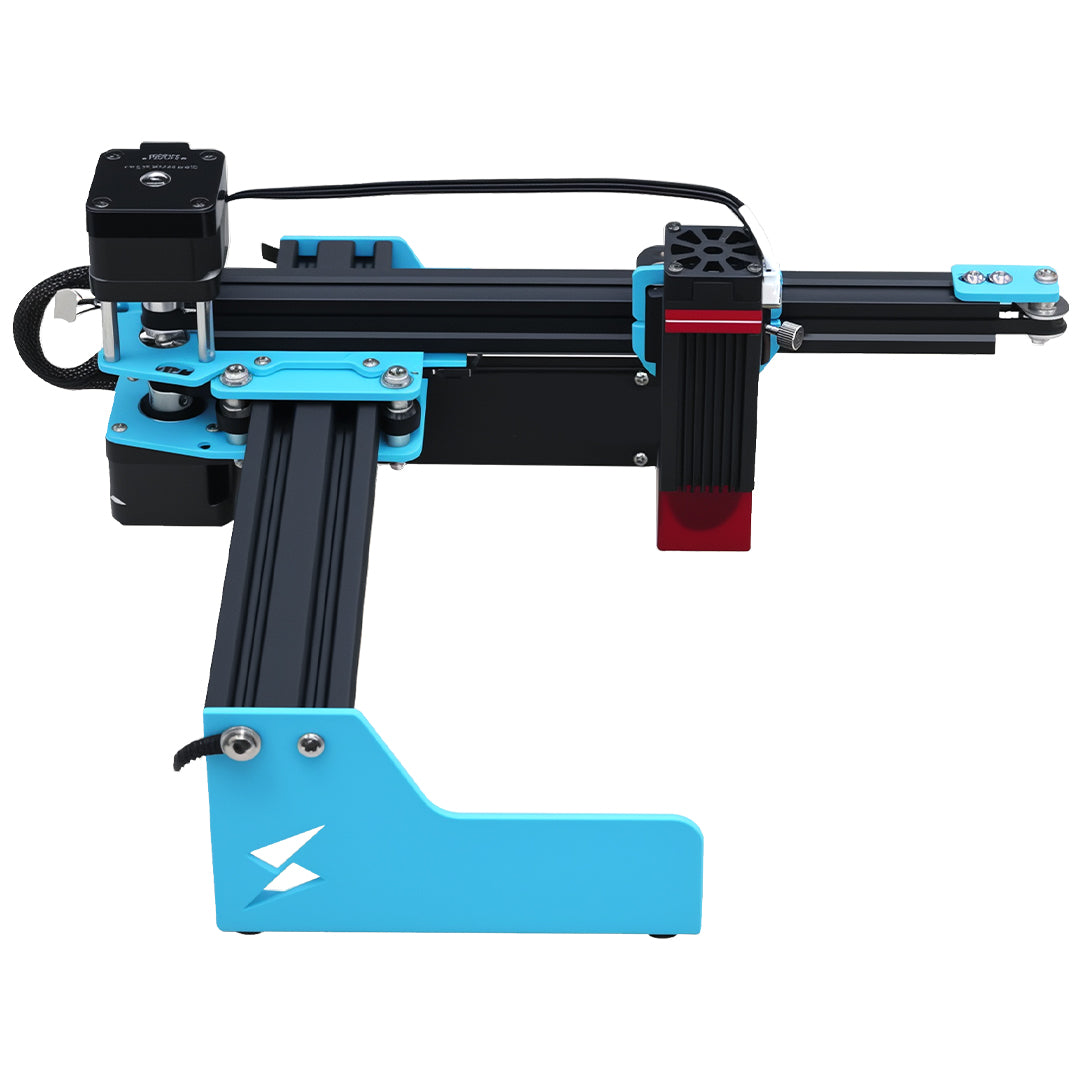
The TYVOK P2 product page provides the current machine configuration. Shops that travel with the same fixture should next use P2 Moved in Transit? Verify Registration With a Datum Card before accepting post-move orders.
Batch-registration questions from sellers
Should every name use the same font size?
Not necessarily, but every rendered name must remain inside the approved envelope.
Can I push cards against the stop harder?
Changing loading force can create variation. Define a repeatable seating motion instead.
Why save the last card?
It shows whether registration survived the complete loading cycle, not only setup.
Bracket the affected cards
When the middle audit moves, isolate output since the previous accepted card. The retained first-middle-last set identifies what can ship and what must be checked again.