

Direct Answer
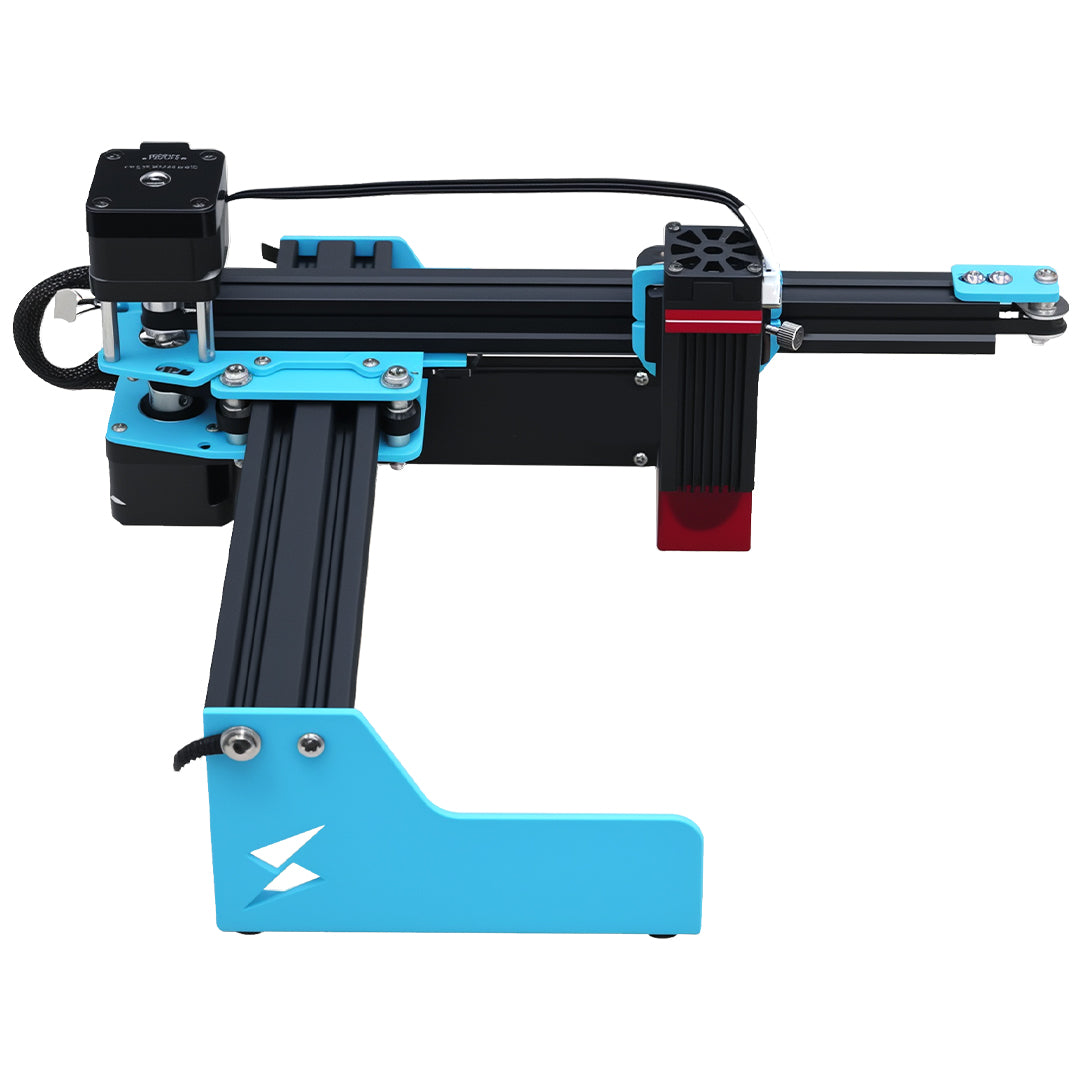
X1S 2026 makes sense for layered wall art when larger layout, fewer segmented panels, and better batch planning change the product you can confidently sell. The key advantage is not just size. It is the ability to treat layered decor like a repeatable system of parts rather than a series of cramped improvisations.

Why This Topic Matters Right Now
Layered wall art keeps appearing in competitor demand content because it sits at the intersection of personalization, home decor, and premium giftability. The high-intent buyer question is whether larger format really helps enough to justify the move. This article answers that in workflow terms.
Quick Checklist
- Define the final wall-art size customers actually want, not only the design canvas size.
- Map which layers or panels are awkward to split on a smaller workflow.
- List the materials, finishes, and assembly steps that create remake risk.
- Build one master template with part naming and assembly notes.
- Confirm current X1S 2026 setup details before promising a larger format catalog.
What Large Format Changes for Layered Wall Art
| Wall-art task | Small-format pain | Large-format benefit |
|---|---|---|
| Top-level composition | More forced splitting | Larger continuous planning can preserve design intent. |
| Part organization | Tighter sheet juggling | More room for controlled part layout. |
| Repeat orders | Rebuild setup each time | Templates become easier to reuse. |
| Premium pricing | Harder to justify at cramped scale | Larger finished look can support stronger offer framing. |
Layered Wall Art Is a Layout Business First
People buy the finished look, not the machine. If the layout process keeps forcing awkward joins or inconsistent part spacing, the product can feel less premium even before assembly starts.
That is why larger format matters most when it changes composition quality or the ease of keeping related parts together.
The Hidden Work Is in Naming, Sorting, and Assembly
Wall art workflows break when the operator loses track of layers, finishes, or assembly order. Larger format alone does not solve that. But it can reduce the chaos created by squeezing too many compromises into too little planning space.
Use part IDs, file version notes, and assembly references if you want repeat sales instead of one-off hero projects.
Why This Is a Commercial Topic, Not a Hobby Topic
Layered wall art sells because it looks premium and giftable. That makes this a buyer-intent topic when the reader is comparing whether their current setup is holding back the final product or the production process.
The decision is not 'Can I make art?' It is 'Can I make a catalog I can repeat without layout pain?'
Verify the Current TYVOK Setup Before Expanding the Catalog
Use https://tyvok.com/products/tyvok-spider-x1s-laser-engraver-cutter and https://tyvok.com/pages/tyvok-x1s-2026 as the current reference for workspace path and software notes. Build the article around the live positioning, not assumptions from older launch materials.
This is especially important if you plan to sell larger layered decor as a new premium line.
Related Internal Links
- https://tyvok.com/products/tyvok-spider-x1s-laser-engraver-cutter
- https://tyvok.com/pages/tyvok-x1s-2026
- https://tyvok.com/blogs/news/x1s-large-wood-art-painting-case-guide
- https://tyvok.com/blogs/news/laser-engraver-for-large-wood-signs-x1s-guide
- https://tyvok.com/blogs/news/x1s-800x2000-extension-large-format-guide
Purchase CTA
If layered wall art is becoming a real product line instead of an occasional project, verify the current X1S 2026 setup on https://tyvok.com/products/tyvok-spider-x1s-laser-engraver-cutter and map it against your largest planned compositions.
FAQ
Why does layered wall art push buyers toward larger format?
Because composition, part grouping, and repeatability often get harder when the work has to be cramped or split across more setup steps.
Is larger format only useful for giant wall art?
No. It also helps when medium-size products become easier to plan, repeat, and assemble.
What should I document first?
Part naming, layer order, test notes, and assembly references.
Where can I confirm current X1S 2026 details?
Use https://tyvok.com/products/tyvok-spider-x1s-laser-engraver-cutter and https://tyvok.com/pages/tyvok-x1s-2026.