

Large Sign SVG Too Slow: Reduce Nodes Without Moving Edges
An SVG with thousands of short segments can be difficult to edit and may create unnecessary path complexity, but fewer nodes are not automatically better. Sharp corners, fitted edges and measured dimensions must survive simplification.

Protect geometry while simplifying a copy
An April 2026 user-problem thread names warped wood, head collisions, burn marks and vector/node preparation as recurring blockers. Demand source. Lock the original, add a known-size reference square, and simplify only a duplicate. Overlay the two paths at high zoom, then measure the reference after import. Inspect critical corners and closed paths before a physical proof.
Measure the imported reference again
| Decision point | Evidence to retain | Hold condition |
|---|---|---|
| Original | Locked SVG and dimensions | Never simplify only copy |
| Working copy | Node count and changed segments | Preserve corners and curves |
| Reference square | Measured after import | Reject unit drift |
| Preview/proof | Path behaves acceptably | Fewer nodes is not a speed guarantee |
Compare preview behavior and the finished geometry, not node count alone. If the working copy changes fit or visual contour, restore detail locally instead of applying a stronger global simplification.
Inspect a real corner, not node count
Accept the simplified SVG only when its measured reference, fitted edges, closed paths, and representative physical corner agree with the original design requirement. Editing speed alone is insufficient. Pay special attention to arcs converted into many short segments, text outlines, and shared endpoints. A shape can look unchanged on screen yet create open contours or altered slot geometry. Save the overlay screenshot with the released working copy.
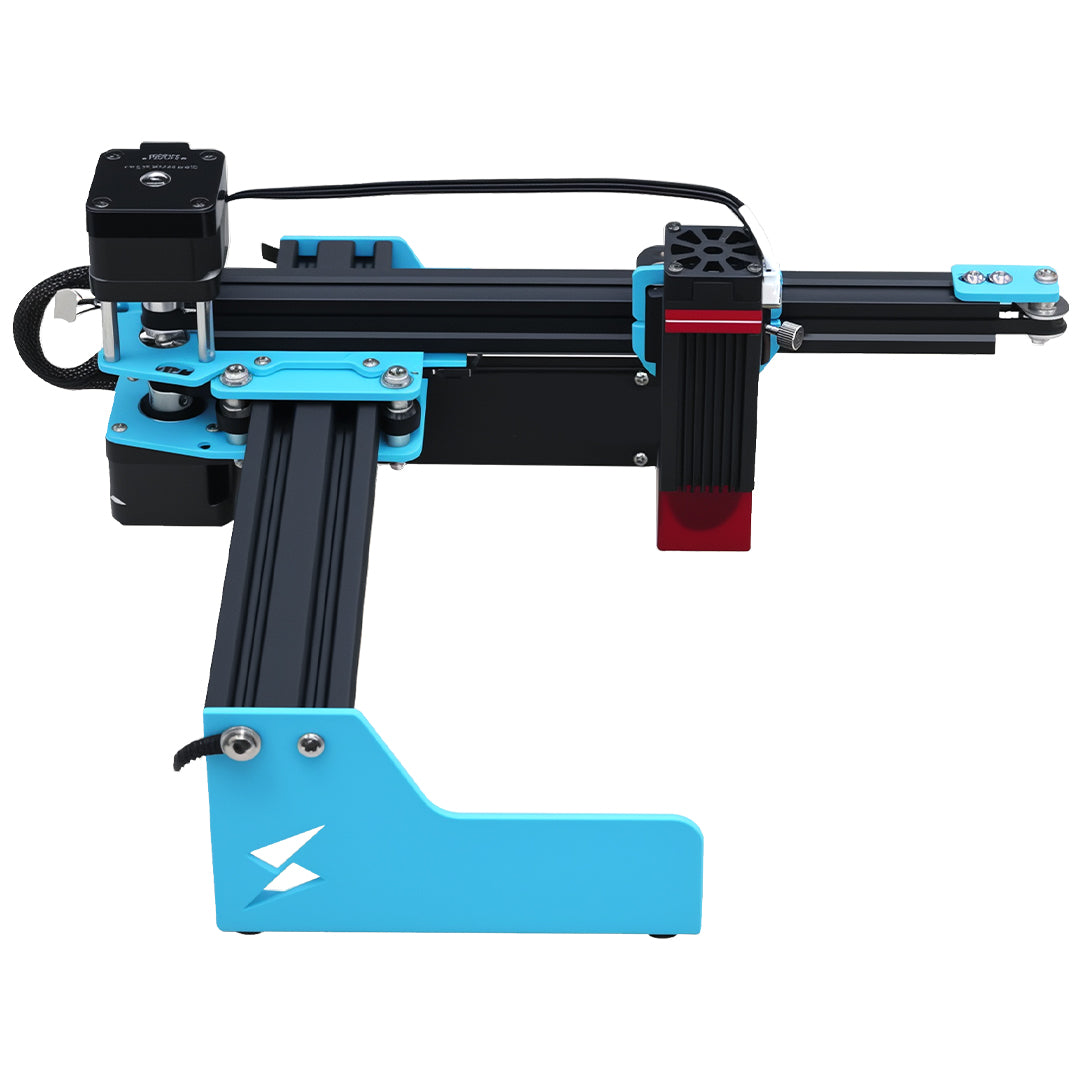
TYVOK X1S 2026 boundary for original
Digital simplification does not prove safe output. Use an eligible material, complete the documented frame/boundary check, and run the physical proof with suitable extraction, continuous supervision and fire readiness. Confirm the current TYVOK X1S 2026 configuration before purchase or use.
Related checks after working copy
The paper hold-down article adds a full-boundary check for lightweight large layouts, while the yellow-halo article covers material evidence after the vector path is proven. Read Paper Will Not Lie Flat for Laser Cutting: Check the Frame and Weights and Yellow Halo Around Plywood Cuts: Compare One Edge Coupon.
Buyer questions about reference square
Does fewer nodes always cut faster?
No. It can reduce editing/path complexity, but it does not guarantee machine time or output quality.
Can I simplify the only SVG?
Keep an untouched original and simplify a working copy.
How do I know edges did not move?
Measure the reference square, critical corners and final physical proof after import.
Check the machine before buying
For the material and workflow discussed above, review TYVOK X1S 2026 configurations and purchase options after testing the exact project materials and setup.