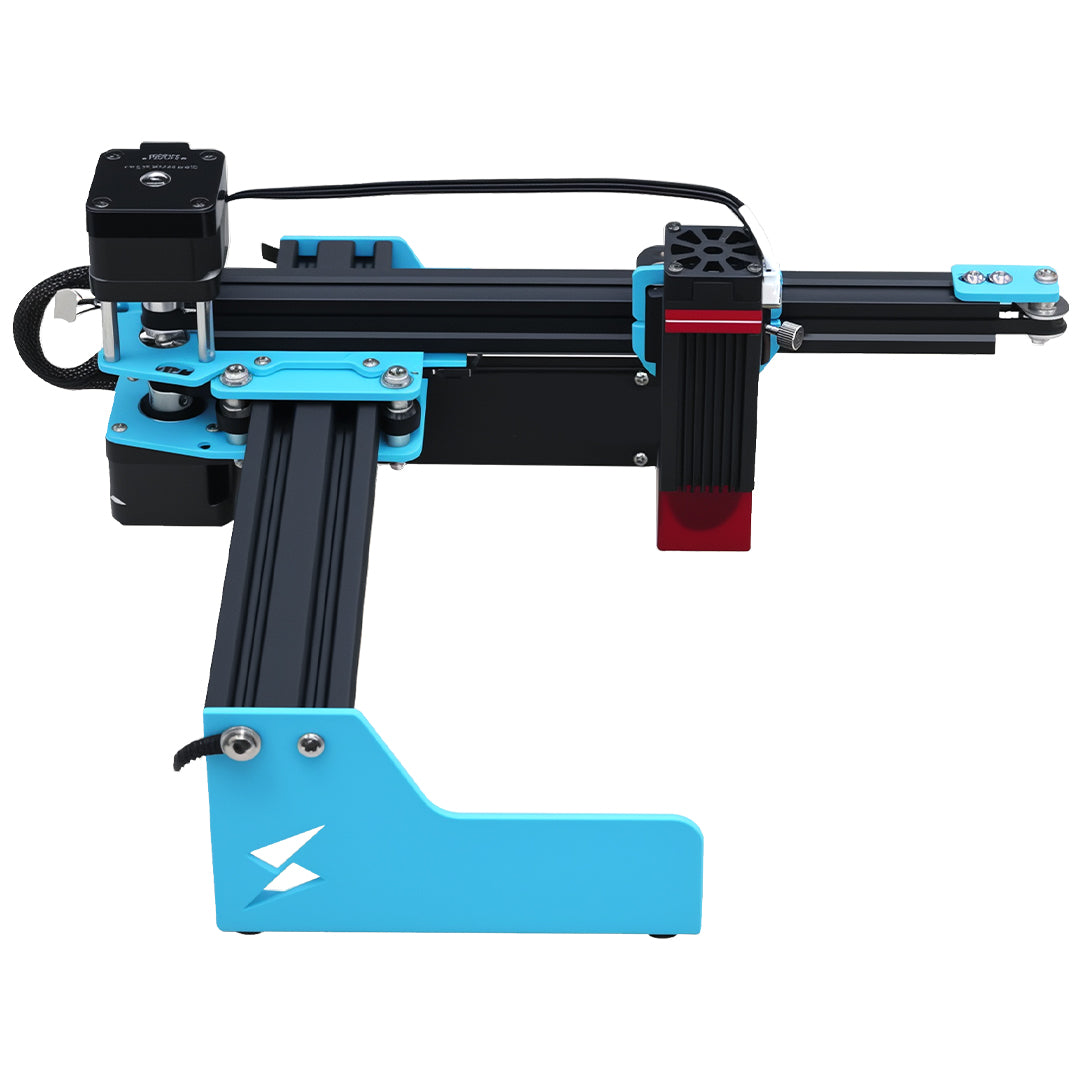


Before an operator releases photo batches, ask them to prepare one image, explain the changes and obtain approval of a physical sample. Knowing how to start the X1S Pro does not demonstrate that they can preserve a face, remove a distracting background or identify lost detail before production.

xTool's photo-preparation guidance emphasizes contrast, sharpness and background preparation. Those concerns justify assessing image preparation explicitly. The exercise below is an example shop procedure, not TYVOK certification or a promise of any particular photograph result.
Give the operator a problem with observable outcomes
Imagine a hypothetical customer photo of a dog with dark ears against a busy garden. The order requires a portrait on a documented compatible plaque. Provide the original image, intended physical dimensions and a written instruction to preserve both ears and the collar tag.
Ask the operator to make a separate working copy. They should choose a crop, remove or simplify the background without removing fur, and inspect tonal separation at the finished size. Require a brief explanation of which details may not survive. Do not score confidence or speed as a substitute for evidence.
Use the same material specification and approved setup when comparing the resulting sample with an accepted reference. Otherwise, a material change can obscure whether preparation improved. An attractive screen image is only an intermediate check.
Score five concrete decisions
| X1S Pro photo assessment | Acceptance evidence |
|---|---|
| Source preservation | Original remains available and unchanged |
| Crop | Both ears and required collar detail remain |
| Background treatment | No missing fur or visible leftover edge islands |
| Tonal judgment | Operator identifies any merged dark regions |
| Release decision | Accepted physical sample matches the identified file |
For this example, suppose the crop passes but the collar tag disappears in the sample. The operator should hold the batch, explain the limitation and prepare an alternative for approval. Silently increasing contrast across the whole image may damage other details. A correct hold decision is evidence of readiness, even when the first sample needs improvement.
Record the source filename, working revision and sample decision together. A later operator should be able to reproduce the accepted starting point without guessing which of several edited pictures was used. Preserving the customer photo master through JPG and PNG decisions helps prevent avoidable source loss.
Separate image competence from other production skills
If the plaque includes a vector border or cut outline, add a separate imported-vector sequence preview assessment. Passing the portrait exercise does not show that the operator can identify a misplaced cut or an incorrect fixture origin.
The X1S Pro product page lists common image formats and LightBurn. Verify the installed software workflow and material setup, then keep powered work supervised. Product support for an image format does not establish that the source picture has enough usable detail.
Should a new operator use automatic background removal?
They may evaluate it, but must inspect the result at the subject's edges and final size. The assessment should catch removed hair, fur, jewelry or other customer-important details regardless of which tool produced them.
Does one passing portrait qualify someone for every photo order?
No. A dark animal portrait, a group photo and a low-resolution memorial image present different problems. Define which work the operator can release independently and when a more experienced review is required.