

Rush Job Arrived? Protect Rework Capacity Before Inserting It
A rush order fits only if finite available minutes still protect committed work and a rework reserve. Calculate the full changeover, proof, production, inspection, and recovery time before promising a date.

Finite minutes decide the rush promise
A June 2026 print-shop scheduling guide says rush orders reposition jobs in the production queue and can consume rework capacity when accepted beyond a defined threshold (source discussion or guidance).
Show which committed dates would move
- 1. Measure available staffed time rather than theoretical machine hours.
- 2. Include setup teardown, file proof, material handling, inspection, and restoration of interrupted work.
- 3. Reserve rework capacity from history instead of scheduling to 100 percent.
- 4. Show which existing dates move before accepting the rush order.
Calculate protected capacity
| Capacity line | Scenario A | Scenario B |
|---|---|---|
| Open minutes | 240 | 240 |
| Committed work | 150 | 180 |
| Protected rework reserve | 30 | 30 |
| Rush requirement | 45 | 45 |
| Remaining | 15 | -15: decline or reschedule |
Two rush-order scenarios
With 240 open minutes, 180 committed, 30 protected, and a 45-minute rush need, the queue is 15 minutes over capacity. The honest options are a later cutoff, another qualified resource, or refusal.
X1S Pro throughput boundaries
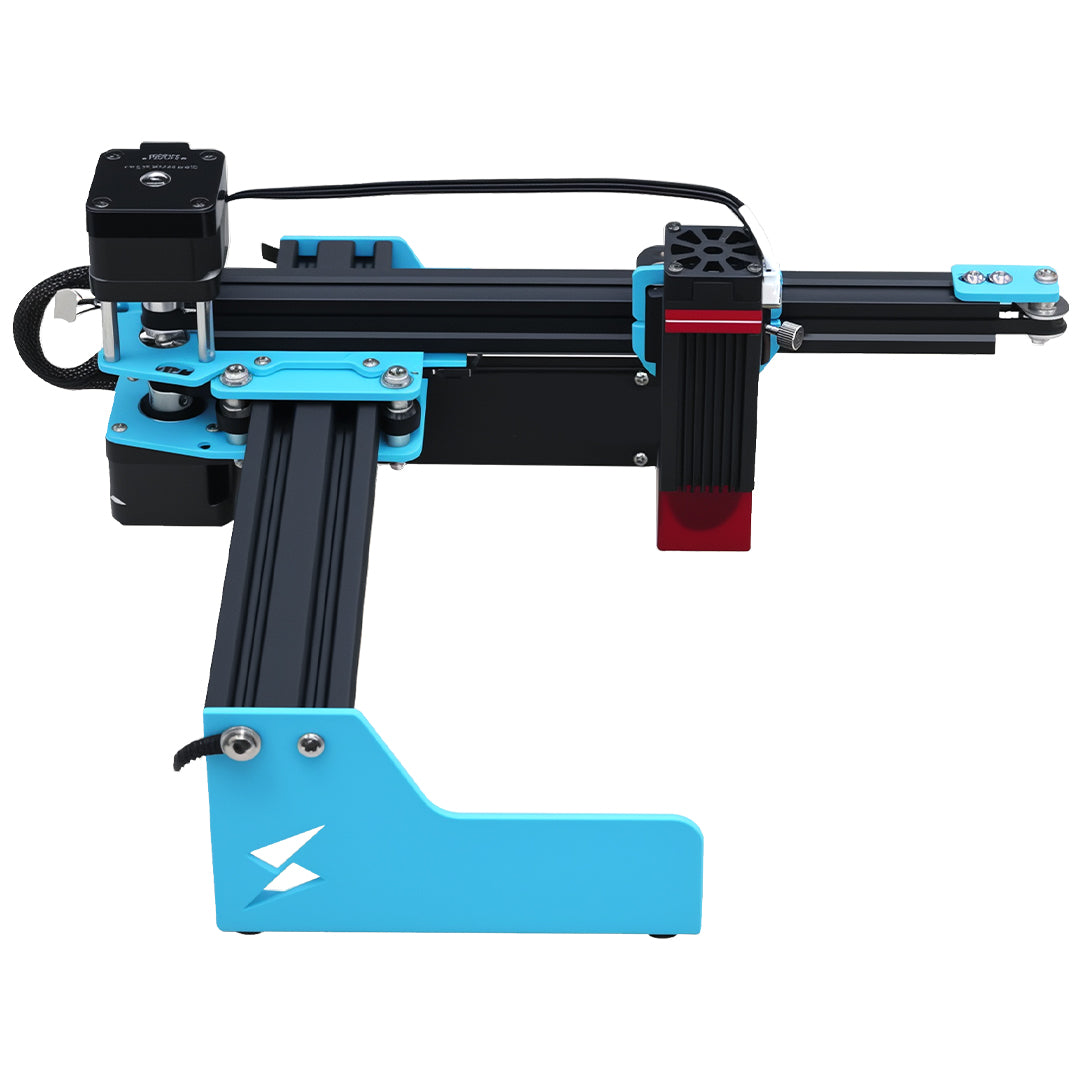
X1S Pro can support large-format production work, but available minutes, queue priority, rework reserve, and promised dates remain shop planning inputs—not guaranteed machine throughput. Check the current TYVOK X1S Pro product page before purchase or use.
Rush-order capacity questions
Is a rush fee enough to make capacity appear?
No. Price and feasibility are separate. A fee cannot recover minutes that do not exist.
Why protect rework time before defects exist?
Variation and exceptions are normal in production. Removing the buffer transfers risk to every committed order.
Can the X1S Pro guarantee the calculated output?
No. The worksheet uses observed shop times and does not promise throughput.
Scheduling and packout references
- Supporting TYVOK guide
- Closely related July 30 guide