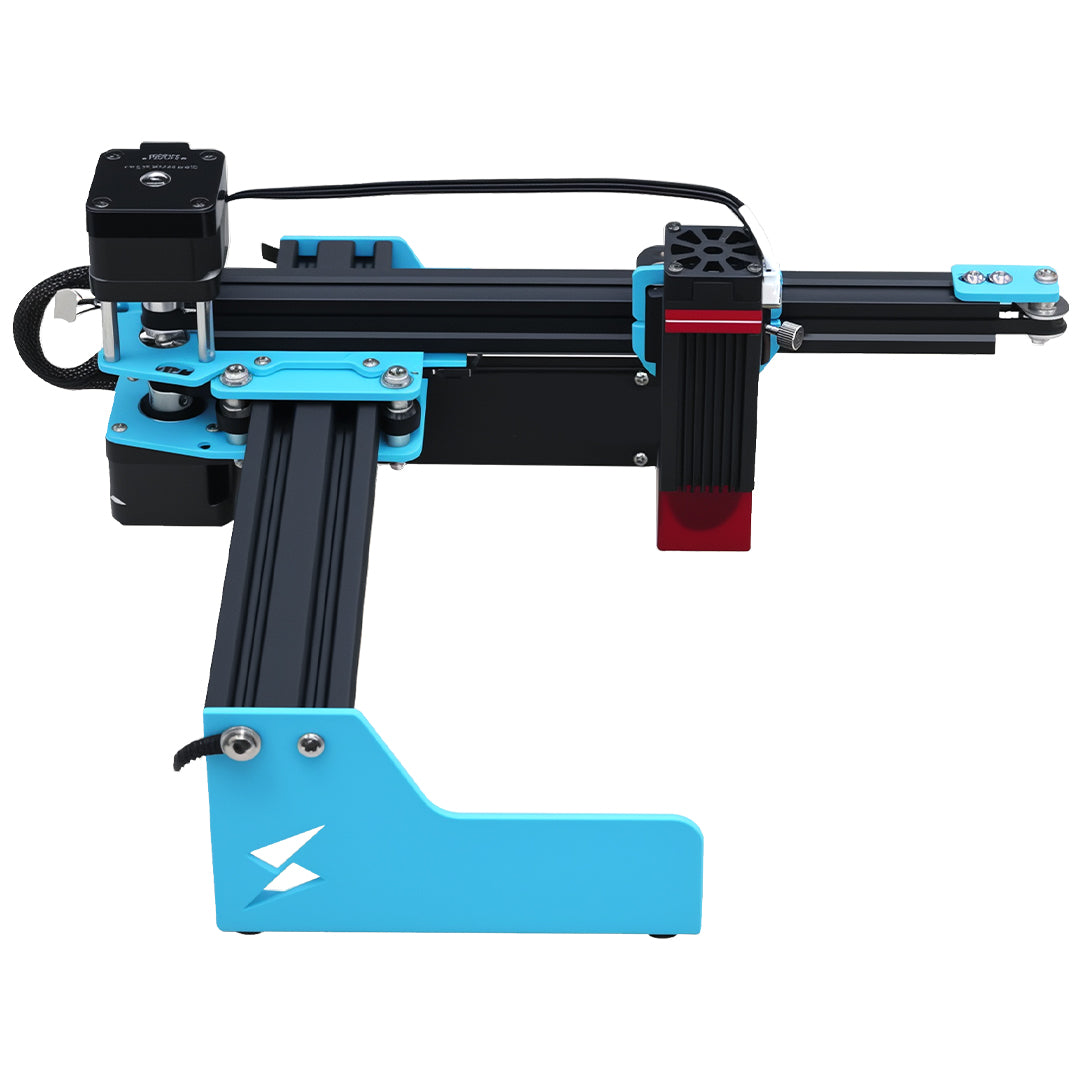


Direct Answer
For large X1S 2026 projects, LightBurn should be treated as a production workflow: templates, origin notes, proof layers, test zones, file naming, and job records. The machine's large-format value becomes clearer when the software process reduces errors on signs, panels, and repeat orders.
Start with the current TYVOK X1S 2026 product page and use the X1S 2026 launch page to confirm the live offer, bundle, and product positioning before checkout.
Because launch details can change by selected configuration, treat the live X1S 2026 product page as the source of truth for availability, workspace path, and software notes. Use this guide to frame the workflow question, then verify the exact option before planning customer orders around it.
Practical Buying Checklist
- Confirm current X1S 2026 software support before setting up a production workflow.
- Create board-size templates before accepting paid large-format jobs.
- Separate proof layers, test layers, and production layers.
- Record origin, framing, file version, and material notes with the customer order.
- Use test boxes and offcuts before running the full design.
- Keep LightBurn habits tied to the physical X1S 2026 setup, not software alone.
Material and Setup Reality
Software cannot hold a warped board flat or make an unsafe material safe. Treat LightBurn setup as one part of a full workflow that includes material support, ventilation, fire watch, test passes, and cleanup.
Do not treat any port, firmware, device profile, or feature note as universal. Confirm current X1S 2026 setup guidance and keep your own job notes once a workflow is proven in your shop.
Before You Quote the Job
Before using LightBurn for a paid X1S 2026 job, confirm current software support and setup guidance on the TYVOK X1S 2026 product page. Avoid copying settings from another machine without testing on your own material.
Large LightBurn projects should have a job sheet that survives beyond one operator. Include file version, customer proof, material, board orientation, origin note, test result, and final photo. That record turns software confidence into a repeatable shop process.
Do Not Open LightBurn Cold on a Paid Job
Large projects punish improvisation. Before taking a customer job, build templates for common board sizes and keep them separate from customer artwork. Add notes for origin, margins, safe areas, registration marks, and material tests.
LightBurn is familiar to many laser users, which is useful for conversion. But familiarity is not the same as a documented workflow. The goal is to make the second job cleaner than the first.
Confirm current software support on the X1S 2026 product page: https://tyvok.com/products/tyvok-spider-x1s-laser-engraver-cutter
Create Board-Size Templates
Start with templates for the products you plan to sell: 24-inch signs, 30-inch signs, long boards, booth headers, layered art panels, and repeated blank layouts. Include a proof layer, a production layer, and a small test layer if the project allows it.
Name files so another operator can understand them: product, size, material, customer, date, and version. For example, keep approved artwork separate from the working file and final production file.
Use Job Notes to Prevent Repeat Mistakes
Good software habits matter because buyers want to know how the machine fits into daily production, not just what the machine can theoretically do. Templates, origin notes, material tests, proof images, and customer approvals all make repeat work easier to manage.
For X1S 2026, those notes connect the larger workspace to a real sign workflow: prepare the file, support the board, run a test, record the result, and keep the setup available for repeat orders.
Pair this software guide with the X1S 2026 large wood sign article: https://tyvok.com/blogs/news/tyvok-x1s-2026-large-wood-signs-over-24-inches
LightBurn Production Table
| LightBurn habit | What to save | Why it helps X1S 2026 buyers |
|---|---|---|
| Template layers | Proof, production, test, and notes layers. | Makes large-format jobs less intimidating. |
| File names | Size, material, customer, version, date. | Helps repeat orders and remake requests. |
| Origin notes | Physical corner, board direction, registration references. | Reduces alignment confusion on larger pieces. |
| Material log | Wood type, finish, settings, cleanup result. | Turns tests into business knowledge. |
Alignment Habits for Long Boards
For long boards, record the physical origin, board orientation, and any registration reference before running the job. If a project must be segmented, document the stop points and do a dry run where possible.
Do not rely on memory. A long sign may take enough time that small mistakes become expensive. The job sheet should carry the details that the operator might otherwise forget.
Keep screenshots or exported previews with the customer order when possible. A preview does not replace a test pass, but it gives the shop a record of the intended layout, which helps if a customer requests a second copy, a spelling change, or a seasonal variation later.
Check the Machine After the Software Plan
Once the LightBurn workflow is clear, check whether the current X1S 2026 configuration matches the board size, workspace path, software needs, operator habits, shop constraints, safety plan, and repeat-order expectations of the project.
Use the X1S 2026 page and product page for the latest setup context: https://tyvok.com/pages/tyvok-x1s-2026 and https://tyvok.com/products/tyvok-spider-x1s-laser-engraver-cutter
Next Step
Build one template and one material test first, then confirm current setup notes on the TYVOK X1S 2026 product page before turning the workflow into a paid job.
FAQ
Does X1S 2026 support LightBurn?
Current TYVOK X1S 2026 messaging includes LightBurn support, but buyers should confirm the live page before checkout.
Is LightBurn enough to prevent alignment errors?
No. Software helps, but material support, origin notes, and operator habits still matter.
What templates should I build first?
Start with the sign sizes and product categories you plan to sell weekly.
What should I check before setting up software?
Confirm current X1S 2026 software and setup notes on the live product page or support materials before treating any workflow detail as final: https://tyvok.com/products/tyvok-spider-x1s-laser-engraver-cutter
Claim Guardrail
This article does not promise guaranteed material results, guaranteed production output, fixed shipping timing, or compatibility beyond the current public product messaging. Confirm live X1S 2026 details before purchase and test each material before selling finished work.