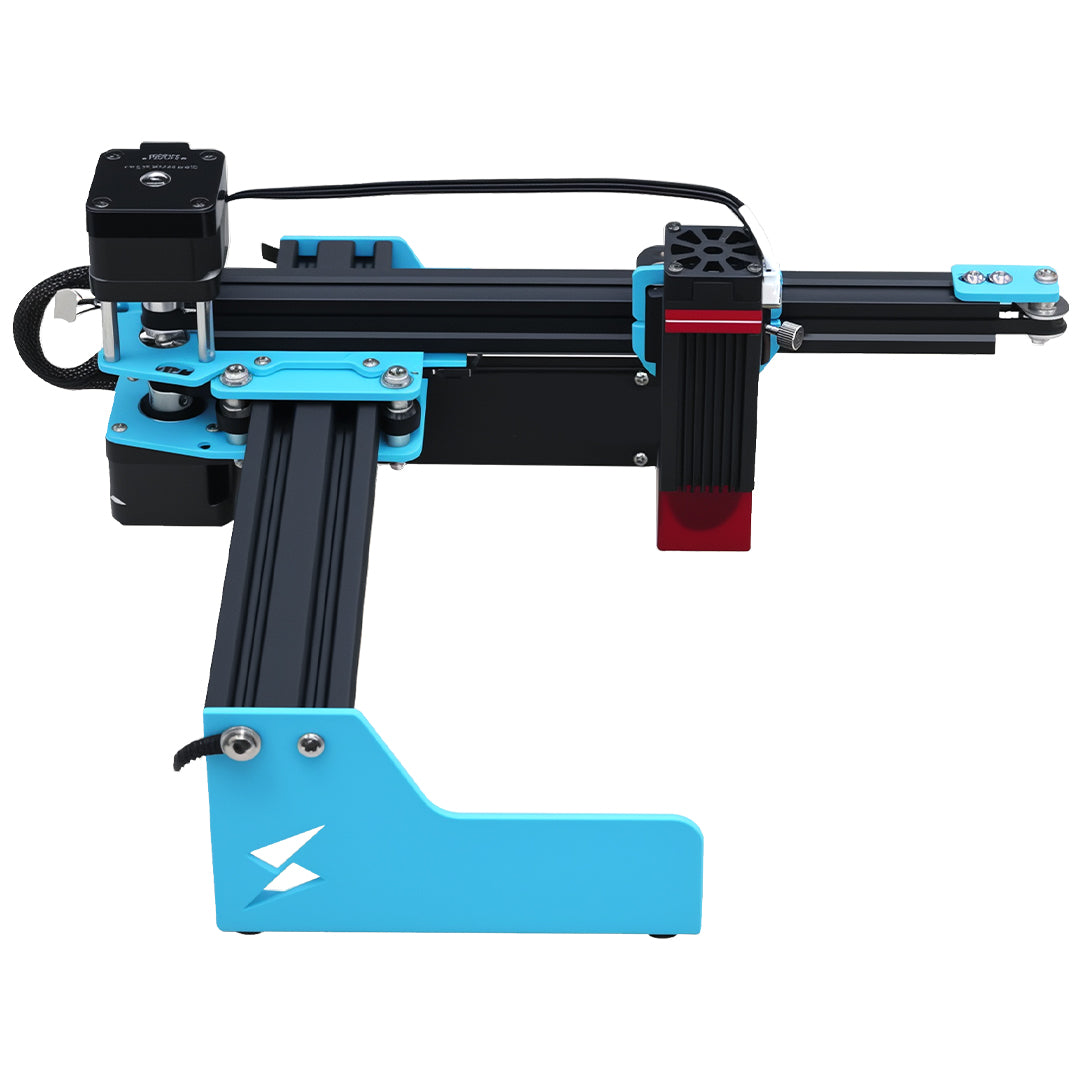


A private label galvo laser can make sense for a personalized-gift brand when the machine supports a narrow, repeatable product menu and the dealer can turn that workflow into local training, service, and customer trust. It makes less sense when the plan is simply to place a logo on a machine and compete on price.

The TYVOK P2 partner program offers a sample-first route for a compact galvo-style platform. Partners can test the machine, then review standard machine branding, packaging, software options, quantity, destination requirements, and support responsibilities.
Start with the product menu
List the products customers already buy or the products the channel can credibly demonstrate. For a compact personalization workflow, that may include small tags, cards, gift accessories, coated items, leather goods, or other documented materials that fit the selected module and work area.
For every product, record:
- Blank dimensions and usable engraving area.
- Material composition and supplier.
- Required fixture or positioning method.
- Design type and personalization fields.
- Test and cleanup process.
- Finished-quality standard.
- Customer price and expected order volume.
Reject unknown or unsuitable materials. A compelling gift idea does not override material safety, ventilation, supervision, or module limitations.
Decide whether compact galvo is the right workflow
A compact galvo-style machine is suited to fast positioning across a defined small field. It should not be presented as a replacement for every gantry, CO2, or fiber-laser workflow.
Check the work area against the real blank, including holes, hardware, curves, edges, and fixture clearance. Confirm whether the selected blue-diode module is appropriate for the material. Coated or anodized surfaces are not the same as direct bare-metal marking, and fiber-laser applications should not be implied from appearance alone.
The brand becomes more credible when it states what the machine is for and where another tool is required.
Build a starter offer, not a catalogue
Launch with one machine configuration and a small set of proven workflows. A useful starter offer can combine:
- The approved machine configuration.
- Fixtures or templates for two or three common products.
- Sample files with clear licensing.
- Material-test instructions.
- Setup and software onboarding.
- Local-language quick-start content.
- A defined support and spare-parts route.
This gives the dealer something harder to compare than a bare machine price: a working local solution.
Make branding support the workflow
Use one product name across the machine, packaging, software path, documentation, videos, and support. The logo should be visible and durable without covering required labels or confusing the underlying configuration.
Premium neutral packaging can provide a professional base for local branding. Confirm which labels, inserts, languages, and product information the dealer provides and which elements TYVOK prepares.
Software options must be described exactly. If a neutral or white-label path is under review, keep that status out of public launch promises until the supported build and update responsibilities are confirmed.
Train the dealer before training customers
The local team should be able to unbox, connect, configure, frame or position, run a controlled test, identify unsuitable materials, collect diagnostic evidence, and explain the escalation route.
Create a demonstration standard so every salesperson shows the same supported workflow. Avoid live demonstrations on customer-supplied items until the material, ownership, design approval, and replacement policy are clear.
Model the economics around service
Calculate the landed cost of the product, branding, packaging, freight, duties, payment, demonstration inventory, spare parts, warranty reserve, marketplace fees, and support labor.
Then test whether the planned retail price supports customer acquisition and local service. Private label creates pricing control, but it does not guarantee margin. The value must come from positioning, workflow, content, availability, and support.
Use a phased launch
- Test one P2 against the intended product menu.
- Confirm the target customer and channel.
- Approve the minimal branding and packaging scope.
- Freeze the supported software and configuration.
- Prepare local training, content, spare parts, and warranty handling.
- Launch through a controlled channel and collect real service data.
- Expand products or customization only after the first offer is stable.
The current P2 program uses around 50 units as a practical reference for light customization, subject to configuration and destination review. A sample request does not commit the partner to a bulk order.
Request a P2 sample and private-label plan, or use the private label dealer guide to prepare the brand and channel model first.
Check the machine before buying
For the material and workflow discussed above, review TYVOK P2 configurations and purchase options after testing the exact project materials and setup.