

How to Price Laser Engraving Services in 2026: Complete Guide
The exact pricing formula used by successful laser business owners. Stop undercharging, start making real money.---

Introduction: Pricing Is the #1 Skill That Determines Your Success
You can have the best laser. You can make the best products. You can have the best photos.
But if your pricing is wrong, you will fail.
90% of new laser owners undercharge. They work 40 hours a week and make $5 an hour. They burn out and quit. They say "laser engraving doesn't make money."
The problem wasn't laser engraving. The problem was their pricing.
In this guide, we're giving you the exact pricing formula used by successful Tyvok laser owners making $5,000+/month.
---
The Only Pricing Formula You'll Ever Need
Memorize this. Never deviate from it.
``` FINAL PRICE = (Material Cost × 2) + (Time × $40/hour) + 15% Overhead ```
Let's break this down:
1. Material Cost × 2
This covers the cost of your material, plus waste. You will mess up. Everyone does. Budget 5-10% for mistakes. Doubling material cost covers this.2. Time × $40/hour
Your time is worth at least $40 an hour. If you're making less than that, you don't have a business - you have an expensive hobby. Why $40?- Most side hustles pay $15-25/hour
- Laser engraving has higher skill and equipment requirements
- You're providing a custom, personalized product
- People will pay it
3. 15% Overhead
This covers:- Electricity
- Laser maintenance and replacement parts
- Packaging
- Etsy fees
- Payment processing fees
- Software subscriptions
- All the little costs that add up
---
Real World Pricing Examples
Example 1: Custom Keychain
| Component | Cost |
|---|---|
| Blank keychain | $1.50 |
| × 2 = Material markup | $3.00 |
| Time: 1 minute | $0.67 |
| 15% overhead | $0.55 |
| Total Price | $4.22 |
Here's the secret: you can charge $15-25 for a custom keychain. People will pay it. The formula gives you your minimum price. You can (and should) charge more than the minimum.
Actual selling price: $18 Actual profit: $15.78 Effective hourly rate: $946/hourYes, that's correct. Keychains are extremely profitable.
---
Example 2: Custom Wood Sign (12×18")
| Component | Cost |
|---|---|
| 1/4" Baltic Birch | $4.00 |
| × 2 = Material markup | $8.00 |
| Time: 8 minutes | $5.33 |
| 15% overhead | $2.00 |
| Total Price | $15.33 |
---
Example 3: Custom Engraved Tumbler
| Component | Cost |
|---|---|
| Blank tumbler | $7.00 |
| × 2 = Material markup | $14.00 |
| Time: 5 minutes | $3.33 |
| 15% overhead | $2.60 |
| Total Price | $19.93 |
---
Pricing Rules Never to Break
Rule #1: Never Charge Less Than $15 For Any Custom Work
If someone wants something custom, the minimum price is $15. Period.Your time is valuable. Setting up the file, loading the material, running the laser, cleaning up, and packaging takes at least 15 minutes even for the simplest job.
$15 minimum = $60/hour. That's fair.
Rule #2: Rush Orders = +50% Premium
If someone needs something in 48 hours or less, charge 50% extra.Your time is more valuable when someone is asking you to drop everything for them. People will pay it.
Rule #3: Bulk Orders = 15-25% Discount Per Unit
If someone orders 10+ of the same item, you can give a volume discount.Why? Because setup time is the same whether you make 1 or 100. You save time on file setup and machine prep. Pass some of that savings to the customer, keep the rest as extra profit.
Example: 50 custom tumblers- Single unit price: $30
- Bulk discount: 20% = $24 each
- Total order: $1,200
- Your profit: ~$800 for 2 hours work
That's $400/hour. Bulk orders are where the real money is.
Rule #4: Never Compete On Price
Someone will always be cheaper than you. There's always some kid in their parents basement charging $5 an hour.Don't compete with them. Compete on:
- Better quality
- Faster turnaround
- Better customer service
- Better photos
- Better packaging
People will pay more for a better experience.
---
Common Pricing Objections (And How to Handle Them)
Objection #1: "That's too expensive!"
How to respond: > "I understand it seems like a lot, but this is completely custom and made just for you. I use high quality materials and every piece is personally inspected before it ships. Most of my customers tell me the quality is well worth the price."People who say this almost always buy anyway. They just want to make sure they're getting value.
Objection #2: "I can get this cheaper on Etsy!"
How to respond: > "You probably can! There are lots of options at different price points. I focus on premium quality and fast turnaround. If you're looking for the cheapest possible option, I'm probably not the right fit. But if you want something that will look great and last for years, I'm happy to make it for you."Don't argue. Don't lower your price. Let them go. You don't want the customers who only care about price. They're the worst customers anyway.
Objection #3: "Can you do it for $X?"
How to respond: > "I appreciate the offer, but my prices are firm. I've found this is the fair price for the quality I provide, and I don't want to cut corners on your order."9 times out of 10, they'll pay your price anyway.
---
How to Raise Your Prices Without Losing Customers
Most people are charging too little. Here's how to raise your prices:
1. Raise Prices 10% and See What Happens
Raise all your prices 10%. You'll probably lose 0-5% of your customers, and make 10% more money on everyone else.That's a great trade.
2. Add Premium Options
Offer:- Standard turnaround (5-7 days) = base price
- Rush turnaround (2-3 days) = +$10
- Next day turnaround = +$25
- Gift wrapping = +$5
People will pay for convenience.
3. Create Tiered Pricing
- Basic: $18
- Premium (with gift box): $25
- Ultimate (with gift box + custom message card): $32
Most people will choose the middle option.
---
Ready to Start Making Real Money?
Pricing correctly is the fastest way to double your income without working any harder.
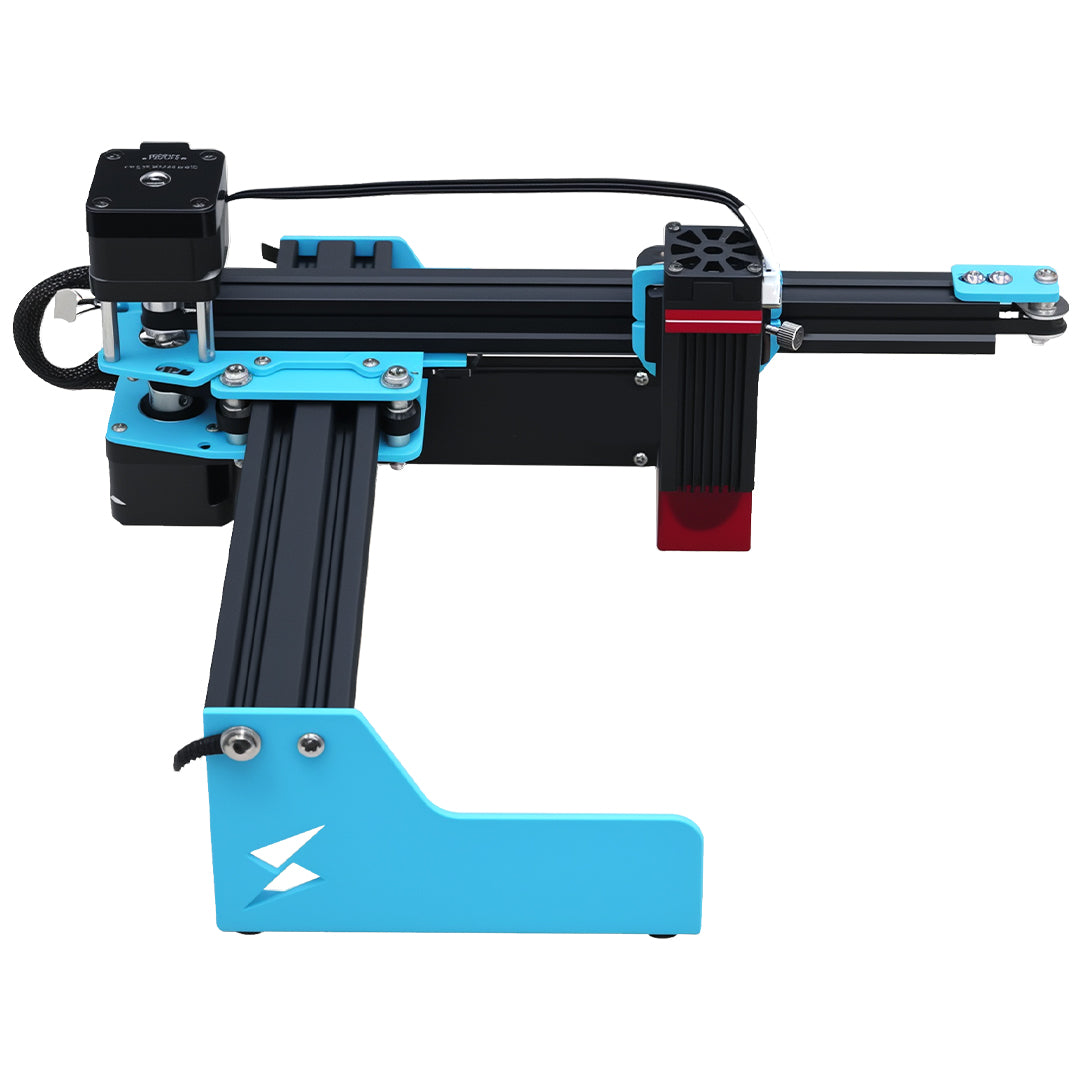
And the right equipment makes it even easier. The Tyvok A1 Mini produces professional quality results that justify premium pricing.
When you're ready to scale, the Tyvok P2 10W Galvo is 10× faster, which means you can make 10× more per hour. Plus it can do color marking on metal, which lets you charge even more premium prices.
---
Ready to price correctly and make real money?👉 Get the Tyvok A1 Mini → Professional quality results that justify premium pricing 👉 Upgrade to Tyvok P2 Galvo → 10× faster production + color marking for even higher profit margins
Last updated: May 2026 | Published by: Tyvok Business Guides Team