
















So you're thinking about starting a laser engraving business, but you have no prior experience. Is it still possible to start making money in 2026?
The short answer is YES. Laser engraving businesses are more accessible than ever right now. Entry-level machines are cheaper than they've ever been, you don't need a fancy workshop, and there's more demand than ever for custom personalized products.
I've helped dozens of beginners get started with their own laser engraving side hustles, and in this guide, I'll walk you through everything you need to know to start from zero – even if you have no experience.
Step 1: Understand the Costs (It's Cheaper Than You Think)
One of the biggest myths about starting a laser engraving business is that you need to spend thousands of dollars to get started. That's just not true in 2026.
Entry Level (Side Hustle Starter): $150-$300
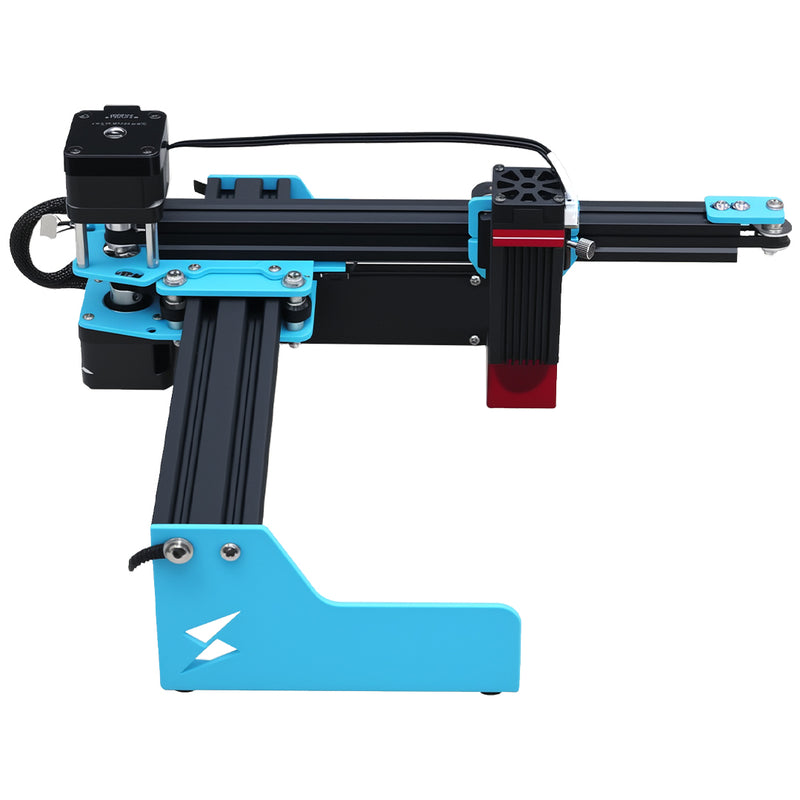
- Machine: Entry-level galvo like the Tyvok P2 (10W) under $200
- Materials starter pack: $20-$50
- Software: Free with your machine
- Total: ~$200
Mid Level (Full Time Potential): $300-$800
- Larger work area diode laser or higher power galvo
- More materials, basic accessories
- Still very accessible for most people
You don't need to rent a shop, you don't need expensive tools, and you can start in your spare bedroom or garage. That's the beauty of this business – low startup costs mean low risk.
Step 2: Choose the Right Machine for Your Budget
The machine you choose depends on what you want to make and how much space you have.
Best Option for Beginners in 2026: Budget Galvo Laser
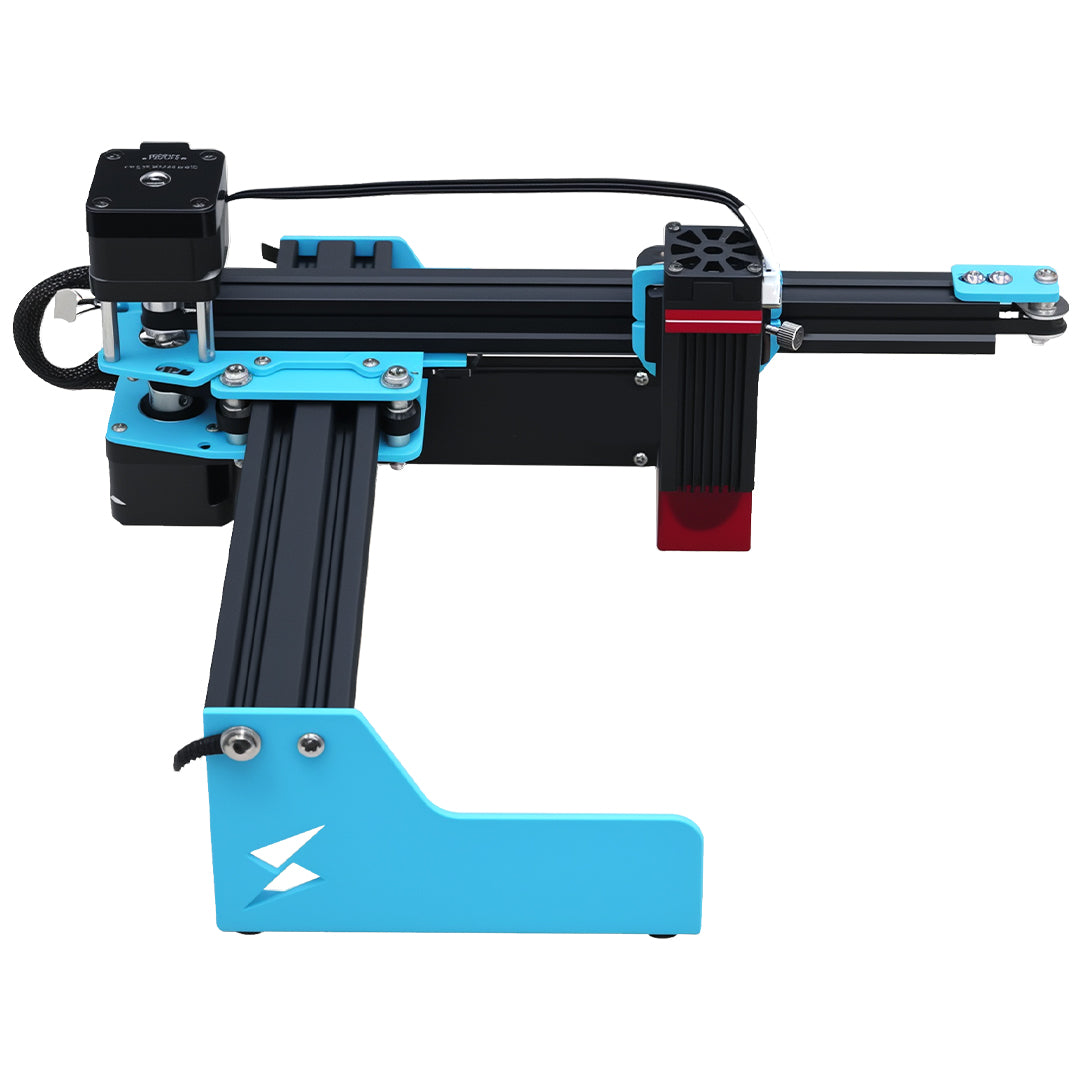
If you primarily want to do small custom projects (keychains, jewelry, dog tags, phone cases, leather goods), a budget galvo like the Tyvok P2 is perfect:
- ✓ Under $200 for 10W
- ✓ 4-10x faster than traditional diode lasers
- ✓ Perfect for small custom orders
- ✓ Compact size fits on a desk
- ✓ Great profit margins on every order
If You Need Larger Work Area: Diode Laser
If you want to do larger projects (cutting boards, signs, large wood projects), you'll need a diode laser with a bigger work area:
- Good options start around $300-$500
- Larger work area (30x30cm+)
- Slower than galvo for small projects
- Better for cutting thicker materials
Don't Buy More Machine Than You Need
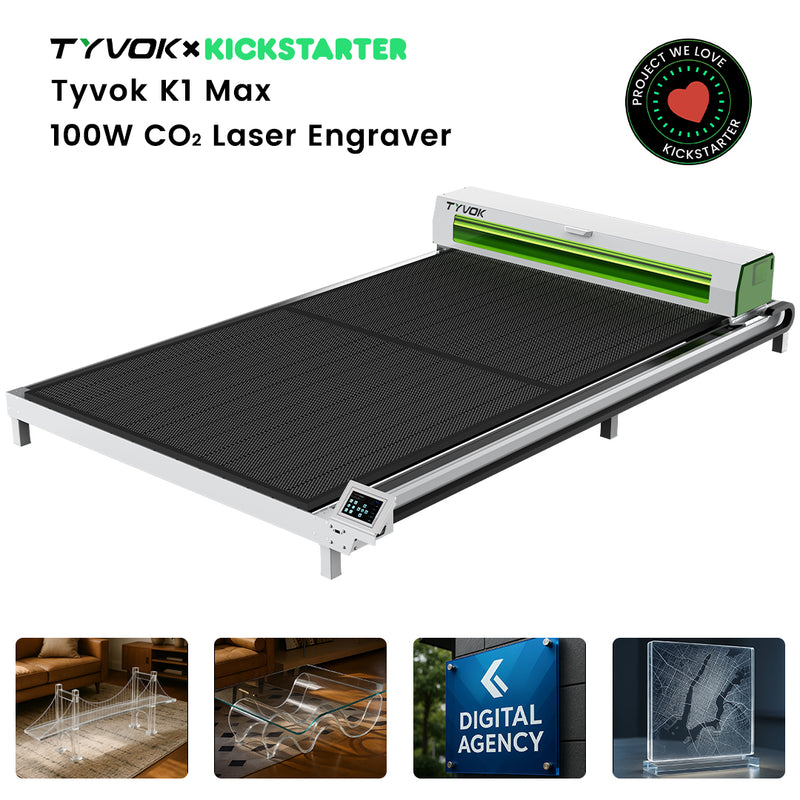
Most beginners don't need a $2000 industrial CO2 laser to start. Start with what you can afford, get some sales, and upgrade later when you need the extra capacity. That's how you minimize risk.
Step 3: Get Your First 10 Projects for Practice
Before you start selling, you need to get some practice. The best way to do this is to make 10 projects:
Practice project ideas:
1. 1 custom dog tag for a friend or family member
2. 2 personalized keychains
3. 1 set of wooden coasters
4. 1 leather key fob
5. 1 phone case
6. 1 small wooden sign
7. 1 jewelry pendant
8. 1 gift for someone you know
This helps you learn:
- How to use your software
- What speed/power settings work for different materials
- How to fix common mistakes
- How long projects actually take you
Don't worry about perfection on your first few. Every beginner makes mistakes – that's how you learn.
Step 4: Choose Your Niche (You Don't Need to Do Everything)
One of the biggest mistakes beginners make is trying to sell everything to everyone. Instead, pick a niche and become known for that.
Popular niches that work in 2026:
1. Pet products – dog tags, pet memorials, pet bowls
2. Weddings – cake toppers, favors, gifts
3. Gifts – personalized holiday gifts, birthday gifts
4. Local business branding – coasters, signs, promotional items
5. Jewelry & accessories – pendants, earrings, bracelets
6. Home decor – coasters, wall signs, cutting boards
You can expand later, but starting with a niche helps you focus and become known for something specific.
Step 5: Set Your Prices Correctly (Don't Underprice Yourself)
Pricing is where most beginners go wrong. They think "I'm new, so I need to charge less." That's a mistake – you're providing a custom product, and you deserve to be paid fairly.
Simple pricing formula:
```
Price = (Material Cost × 3) + (Your Time × Hourly Rate)
```
Example – Custom Dog Tag:
- Material cost: $2
- Time: 10 minutes
- Your hourly rate: $30/hour = $5 for 10 minutes
- Price = ($2 × 3) + $5 = $6 + $5 = $11
This gives you good profit margin, and it's still affordable for customers.
Typical price ranges in 2026:
- Dog tags: $10-18
- Keychains: $8-15
- Coasters (set of 4): $20-30
- Wedding cake topper: $30-60
- Cutting board: $30-80
Step 6: Where to Sell Your Products
You don't need your own website to start selling. Here are the best places to start:
Etsy
- Best for handmade and custom products
- Built-in traffic of people looking for personalized items
- Easy to set up
- Fees are reasonable (around 6.5% per sale)
Facebook Marketplace & Facebook Groups
- Great for local sales
- No fees
- Good for bulk orders and local business work
- Can build word of mouth quickly
Instagram & TikTok
- Great for showcasing your work
- Video content works really well (show the engraving process)
- Can drive sales to Etsy or your website
- Viral potential if your content catches on
Local Craft Fairs & Markets
- Great for getting in front of local customers
- Instant cash
- People love seeing products in person
- Good for building a local customer base
Start with one or two platforms – don't try to be everywhere at once. Etsy + Instagram is a great combination for beginners.
Step 7: Marketing Tips That Actually Work for Beginners
You don't need a huge marketing budget to get sales. Here's what works:
1. Post Your Process on Social Media
People love watching the engraving process. Time-lapse videos of you engraving a custom order perform really well on TikTok and Instagram Reels.
2. Ask for Reviews and Photos
When someone buys from you, ask them to send a photo of the product in use and leave a review. Social proof is everything for a new business.
3. Offer Custom Designs
The whole point of laser engraving is customization. Make it easy for customers to get exactly what they want.
4. Start with Friends and Family
Tell everyone you know that you've started a laser engraving business. They'll be your first customers and can spread the word.
Common Mistakes Beginners Make (Avoid These!)
1. Buying too much machine too soon
You don't need a $2000 machine to start. Start small, prove you can make sales, then upgrade.
2. Underpricing your work
Your time is valuable. Price for profit from day one. It's easier to raise prices later than it is to start low and convince people to pay more.
3. Trying to carry too much inventory
You don't need to buy 100 of everything to start. Buy a few of the most popular blanks, reorder when you run low. This keeps your startup costs down.
4. Not practicing enough before selling
Take the time to practice and get consistent results before you start taking paid orders. Bad reviews early on can kill your business before it gets started.
Realistic Expectations: How Much Money Can You Make?
Let's be honest – you're not going to quit your job in your first month. But here's what's realistic:
Side Hustle (10-20 hours/week): $500-$2000/month
Most people start here, and it's great extra income that can pay for your machine quickly.
Full Time (40+ hours/week): $3000-$8000/month
Once you have some experience and consistent marketing, it's absolutely possible to make a full-time income.
The key is starting small, learning as you go, and consistently improving. Many people have built successful full-time businesses from starting with just a $200 entry-level machine.
Ready to Get Started?
If you're ready to start your laser engraving business but you're still shopping for a machine, we've put together some helpful guides:
- See our top picks for best budget galvo laser engravers in 2026
- Compare galvo vs diode laser to see which is right for you
- Read a real user review of the Tyvok P2 to see if it's right for you
Starting any new business feels scary when you have no experience, but laser engraving is one of the most accessible businesses you can start right now in 2026. Low startup costs, steady demand, and good profit margins make it perfect for beginners.
The best time to start was yesterday. The second best time is now. Just start small, learn as you go, and you'll be amazed at how quickly you can grow.
Do you have a laser engraving business? What tips would you add for beginners? Share your experience in the comments below!