

Direct Answer

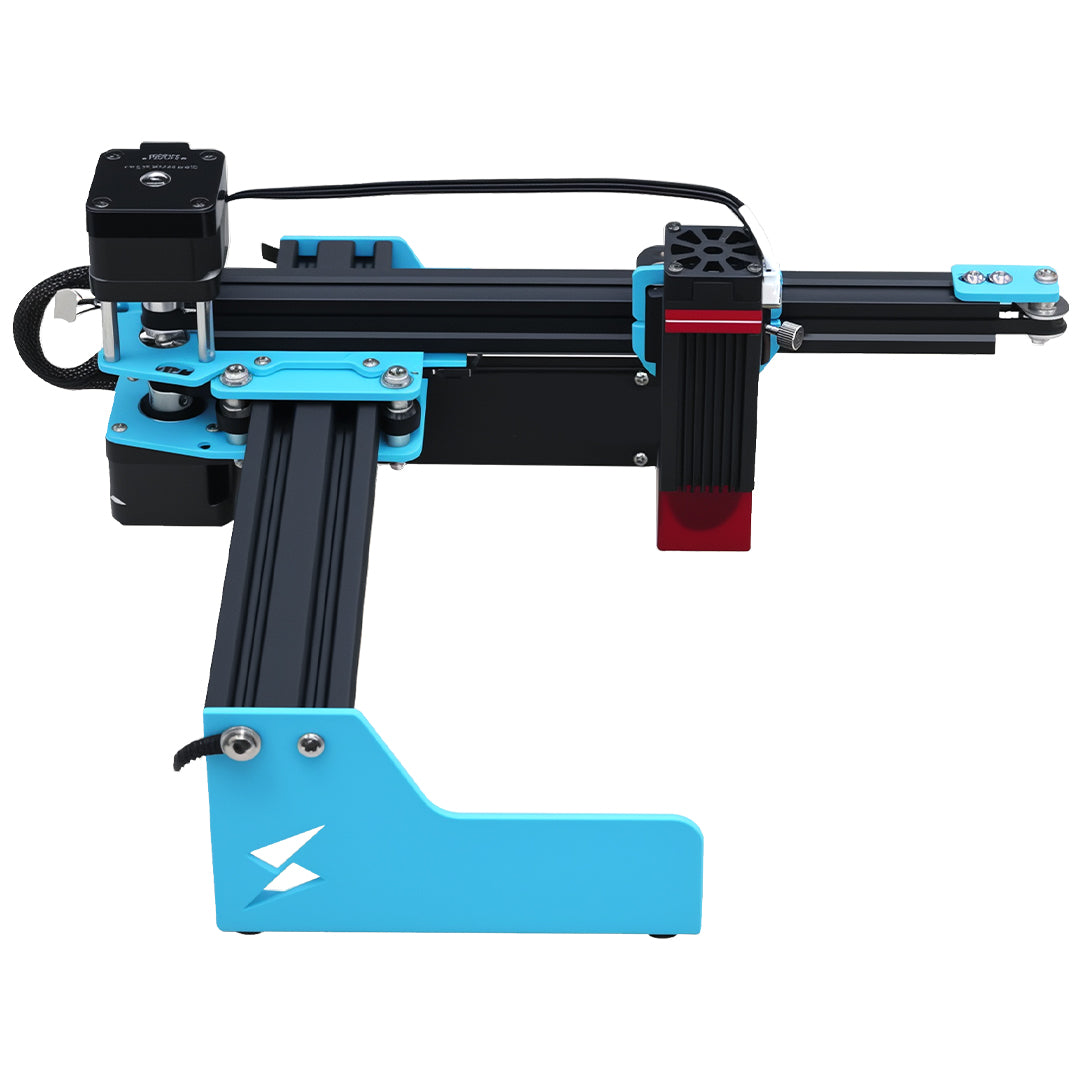
A laser engraver for acrylic display signs should be chosen around the acrylic type, sign size, layout area, ventilation, and whether the finished sign will actually sell. TYVOK X1S and X1S Pro are better candidates when the project needs a larger panel, sign layout, or batch arrangement. TYVOK P2 is better when the job is compact personalization on small tags, cards, coated pieces, or small gifts.
The most important point: do not assume every acrylic behaves the same. X1S and X1S Pro are better suited to larger, non-clear, or already-tested display sign layouts; they should not be treated as the default answer for a clear acrylic sign business. Clear acrylic is usually a poor match for many visible blue diode laser workflows because the material can transmit much of the beam instead of absorbing it cleanly. Opaque, dark, painted, coated, or properly prepared acrylic-like materials may behave differently, but they must be tested safely before selling.
Key Takeaways
| Buyer question | Better answer | Why it matters |
|---|---|---|
| I want clear acrylic signs | Confirm laser type first | Clear acrylic can be difficult for blue diode workflows |
| I want larger display panels | Compare X1S / X1S Pro | Sign size and layout area become important |
| I want small acrylic tags | P2 or compact workflow may be enough | Large format may be unnecessary |
| I want repeatable retail displays | Larger-area workflow can help | Layout repeatability matters |
| I need cutting claims | Test material, thickness, and safety | Cutting depends on material absorption, power, air assist, and settings |
Acrylic Is a Material Decision First
Acrylic sign buyers often search for a machine first, but the material decision should come first. Acrylic can be clear, tinted, opaque, mirrored, painted, coated, cast, extruded, or composite-backed. Those differences change how the material reacts to a laser.
For buyer safety, the answer should be clear: a diode laser workflow is not automatically the right answer for every acrylic sign. Clear acrylic is especially important to verify. If your main product is clear acrylic edge-lit signage, awards, or thick transparent display pieces, do not treat X1S or X1S Pro as the default purchase. First verify the exact material and workflow, or compare a laser type that is better matched to clear acrylic.
If your product is an opaque display sign, painted panel, dark acrylic-style tag, retail label, display backing board, or coated signage blank, X1S or X1S Pro may become relevant because the larger area can support bigger layouts and repeated sign production.
When X1S Makes Sense
TYVOK X1S belongs on the shortlist when the acrylic or display project is larger than compact personalization but still needs a manageable small-shop workflow.
X1S is a better fit when:
- You need larger flat sign layouts than a compact engraver can handle.
- You are testing retail display panels, table signs, booth signs, or branded signage.
- You want room to arrange several small sign blanks in one layout.
- You are still validating which sign material and product size sells.
- You want to grow from small personalization into larger display products.
Confirm the selected bundle, work area direction, platform option, and material workflow before ordering. Do not buy around a material you have not tested.
When X1S Pro Makes Sense
TYVOK X1S Pro is the stronger shortlist when display signage is already part of a serious product plan. It makes more sense for larger panels, repeated layouts, and more planned shop production.
X1S Pro is a better fit when:
- You already know the sign sizes you want to sell.
- You need a larger-format layout path.
- You want to compare Pro configurations and accessory options.
- You may arrange multiple display pieces in one planned layout.
- You have shop space, ventilation, and a repeatable finishing process.
Before choosing X1S Pro, confirm current power option, platform board, accessory needs, software workflow, and the exact sign material. This is especially important for acrylic-related work because material behavior is not universal.
X1S vs X1S Pro for Display Sign Work

| Decision factor | X1S direction | X1S Pro direction | What to confirm |
|---|---|---|---|
| Best role | Larger display layout testing | More planned large-format display workflow | Current bundle and actual material size |
| Work area need | When compact personalization is too small | When larger or repeated layouts are already planned | Platform and selected configuration |
| Batch layout | Useful for several flat sign blanks | Stronger fit for more planned layouts | Blank spacing, fixture method, inspection process |
| Material fit | Must be verified for acrylic type | Must be verified for acrylic type | Clear vs opaque, coating, safety data |
| Pro options | Simpler path | Compare Pro configuration and accessories | Power option, platform board, software workflow |
Use this as a buying filter, not a final spec sheet. Product options can change, and acrylic behavior must be tested with the exact material.
Acrylic Sign Product Ideas to Test
Start with products that are easy to explain and photograph.
| Product idea | Why it can work | What to verify |
|---|---|---|
| Retail counter sign | Strong business use case | Readability, contrast, finish, stand method |
| Booth display panel | Useful for fairs and markets | Size, transport, mounting, glare |
| Table number or event sign | Clear repeatable demand | Text size, batch consistency |
| Product category sign | Works for stores and craft booths | Layout, contrast, edge cleanup |
| Logo display plate | Good for business buyers | Logo detail, material color, photo quality |
Do not start with every acrylic product. Pick one material source, one size, and one design style. Test the finished result before writing a product listing.
Material Safety and Clear Acrylic Limits
Material safety is not optional. Avoid PVC, vinyl, unknown plastics, unknown coated sheets, and any material that may release unsafe fumes. For acrylic, confirm the exact material from the supplier and follow safety guidance. Use ventilation and test small samples before selling.
Clear acrylic deserves a separate warning. Many visible blue diode lasers do not mark or cut clear acrylic cleanly without special preparation because the light may pass through the material. If your business depends on clear acrylic awards, edge-lit signs, or polished transparent panels, you should verify whether the current TYVOK configuration fits that workflow or whether a different laser type is more appropriate.
This limitation matters because it prevents buyers from choosing the wrong machine for the wrong material.
Large Work Area vs Sign Quality

A larger work area helps only if it improves the product. Buyers do not buy a work area. They buy a sign that looks clear, premium, and useful.
For acrylic and display signs, the finished result should show:
- Readable text from a realistic distance.
- Clean contrast between mark and material.
- A sign stand, wall mount, or placement context.
- Close-up detail of the mark quality.
- A photo that shows scale and use case.
If the first image only shows a machine, the buyer still cannot judge whether the sign is worth buying. The first image should show the finished sign or display panel.
Workflow Test Before Selling
Use this workflow before selling acrylic or display signs:
- Choose one material source and confirm the material type.
- Choose one sign size and one product use case.
- Run a small test at final design size.
- Check contrast, readability, smell, residue, and edge behavior.
- Finish the sign exactly as a customer would receive it.
- Photograph it in a shop, booth, counter, or event context.
- Record setup notes, finishing time, packaging method, and failure points.
The goal is not to prove that a laser can touch the material. The goal is to prove that the finished sign is repeatable and sellable.
P2 vs X1S vs X1S Pro for Display Signs
| Workflow need | P2 | X1S | X1S Pro |
|---|---|---|---|
| Small tags or compact signs | Strong fit | More area than needed | More setup than needed |
| Larger display panels | Limited fit | Stronger fit | Stronger Pro path |
| Multiple sign blanks in one layout | Limited fit | Useful | Stronger for planned layouts |
| Clear acrylic as main product | Must verify material fit | Must verify material fit | Must verify material fit |
| Business display product line | Compact add-ons | Growth path | More serious large-format shortlist |
The buying path should be simple: use P2 for compact personalization, compare X1S for larger display layouts, and shortlist X1S Pro when the product line already needs a more planned large-format workflow.
Recommended TYVOK Path
| Situation | Recommended path |
|---|---|
| Small personalized acrylic-style tags | TYVOK P2 or compact workflow |
| Larger opaque display signs or panels | Compare TYVOK X1S / X1S Pro |
| Clear acrylic awards or edge-lit signs | Verify laser/material compatibility before buying |
| Retail booth or counter signage | X1S / X1S Pro may fit if material is proven |
| Batch display signs | Test fixture, layout, material, and finishing first |
Related guides:
- Large Format Laser Engraver Buying Guide: X1S vs X1S Pro
- Batch Engraving Machine for Small Business
- Laser Engraver for Large Wood Signs
- TYVOK X1S Laser Engraver Cutter
- TYVOK X1S Pro Large Format Laser Engraver
- TYVOK P2 Galvo Laser Engraver
FAQ
Q: What laser engraver is best for acrylic display signs?
A: Choose based on acrylic type, sign size, and workflow. X1S and X1S Pro are better candidates for larger display layouts, but clear acrylic must be verified carefully because many blue diode workflows do not process it cleanly.
Q: Can a diode laser engrave clear acrylic?
A: Clear acrylic is often difficult for visible blue diode lasers because the material may transmit the light instead of absorbing it. Test the exact acrylic and setup before buying or selling.
Q: Can X1S cut clear acrylic?
A: Do not assume X1S can cut clear acrylic cleanly. Clear acrylic is usually a difficult material for visible blue diode workflows, and cutting depends on material absorption, thickness, power option, air assist, settings, and safety.
Q: What laser is better for clear acrylic?
A: Clear acrylic often requires a different laser/material approach than a standard blue diode workflow. If clear acrylic awards, edge-lit signs, or transparent panels are the core business, verify the exact laser type and material behavior before buying.
Q: Is X1S good for acrylic signs?
A: X1S can make sense for larger sign layouts if the material is compatible and the selected configuration fits the sign size. Confirm the material, bundle, platform, and safety workflow first.
Q: When should I choose X1S Pro for display signs?
A: Choose X1S Pro when you already need a larger-format display workflow, repeated layouts, Pro configuration options, and enough shop space to support the setup.
Q: Should I use P2 for acrylic signs?
A: P2 is better for compact personalization and small pieces. For larger panels or repeated display layouts, compare X1S and X1S Pro.
Q: What acrylic materials should I avoid?
A: Avoid PVC, vinyl, unknown plastics, unknown coatings, and materials without clear safety information. Confirm the exact sheet material before laser processing.
Q: What should acrylic sign product photos show?
A: Show the finished sign first, then a close-up of mark quality, a scale/context photo, and mounting or display details.
Q: Does a larger work area make acrylic signs better?
A: Not automatically. A larger area helps with sign size and layout, but product quality depends on material, contrast, finishing, mounting, and photos.
Q: Can I batch acrylic display signs?
A: You can plan batch layouts when material, sign size, fixture, spacing, and quality checks are repeatable. Test a small batch before accepting paid orders.
Q: What is the biggest buying mistake?
A: Buying around "acrylic" as one generic material. The right machine choice depends on clear vs opaque material, coating, size, finish, and the finished product you want to sell.
Conclusion
Acrylic display signs can be a strong search and business category, but only when the page is honest about material limits. X1S and X1S Pro make sense for larger sign layouts and display workflows after the material is proven. P2 remains the better direction for compact personalization. The safest buying decision starts with the exact acrylic, the finished sign, and the product photo you can sell.