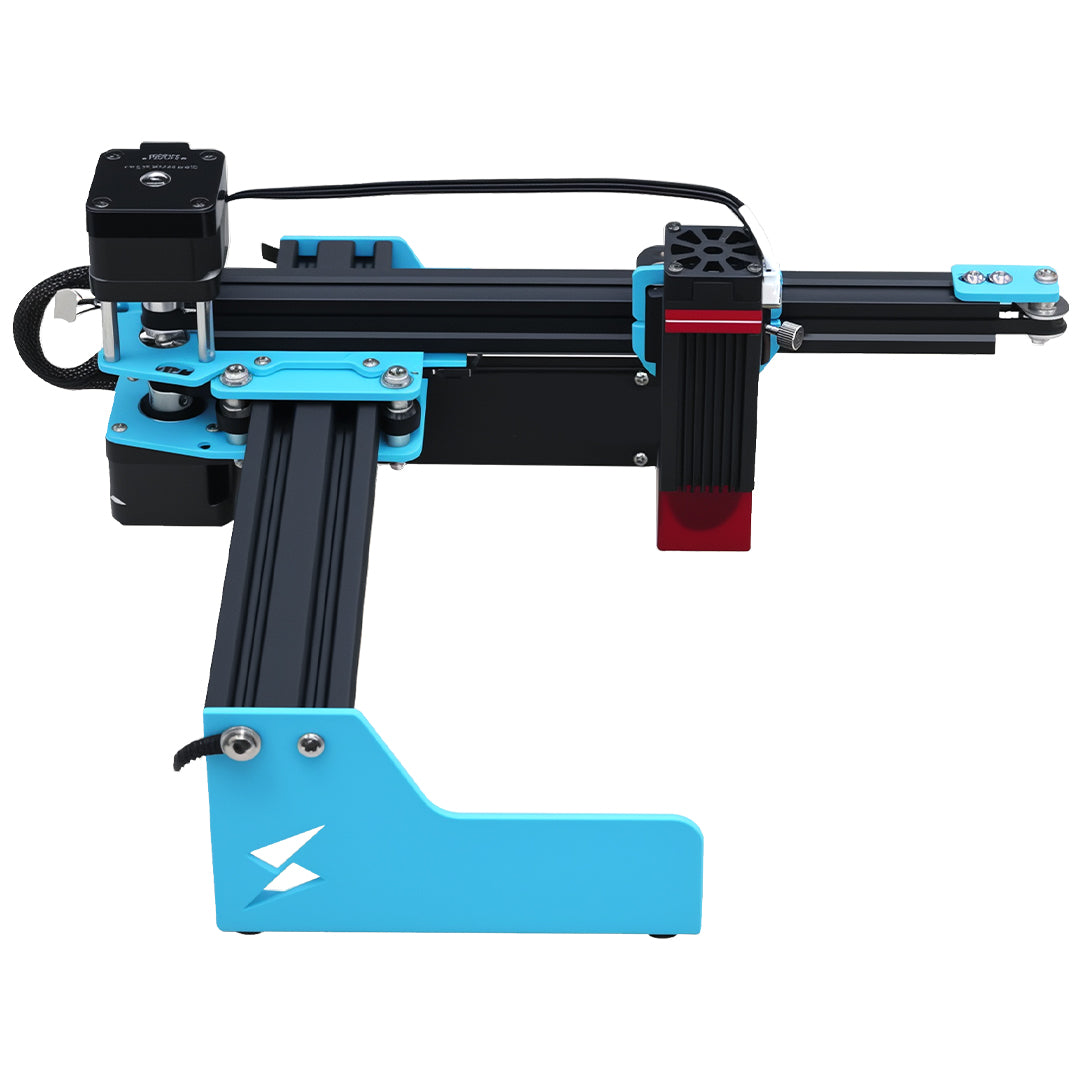


One of the most common questions from new laser engraver owners is: "What materials can I engrave?" The answer isn't simple - it depends on your laser type, power, and the specific material properties. This comprehensive guide covers everything you need to know about laser engraving materials in 2026.

Understanding Laser-Material Interaction
Different materials react very differently to laser energy. The key factors are: - Absorption: How well the material absorbs laser light - Melting point: Temperature at which the material liquefies - Ignition temperature: When the material catches fire - Chemical composition: Some materials release toxic fumes
Always test new materials with low power settings first and work in a well-ventilated area.
Wood: The Most Popular Laser Material
Wood is by far the most common material for laser engraving, and for good reason. It engraves beautifully, is widely available, and has excellent profit potential.
Best Woods for Laser Engraving
Softwoods (Best for Beginners): - Pine: Excellent contrast, very affordable - Cedar: Beautiful grain, aromatic, good for signs - Balsa: Extremely easy to engrave and cut - Poplar: Consistent results, light color
Hardwoods (Premium Products): - Maple: Light color, creates stunning contrast - Cherry: Darkens beautifully with laser - Walnut: Rich dark base, excellent for inlays - Oak: Strong grain pattern, very durable
Engineered Woods: - Plywood: Affordable, available in large sheets - MDF: Very consistent, great for detailed work - Hardboard: Smooth surface, sharp engravings
Wood Engraving Tips
- Always use air assist for cleaner cuts - Different wood species require different power settings - Moisture content affects results - kiln-dried is best - Sand before engraving, not after - Apply finish after engraving for professional resultsRecommended Laser: Tyvok P2 Galvo Laser for fast, high-quality wood engraving
Leather: High Profit Margin Material
Leather products command premium prices, making this one of the most profitable materials for laser businesses.
Types of Leather That Work Well:
- Full-grain leather: Highest quality, beautiful results - Top-grain leather: Consistent, easier to work with - Genuine leather: Affordable, good for practice - Faux leather (PU/PVC): Very popular, consistent results - Suede: Creates interesting texture contrastWhat to Avoid:
- Patent leather (melts poorly) - Some vinyls (release toxic chlorine) - Very thick leather (over 3mm)Leather Engraving Tips:
- Lower power, higher speed for best results - Test on scraps first - every hide is different - Leather darkens when engraved - no need for staining - Clean engraved area with a damp clothMetal: Professional Marking Capabilities
Metal marking was once only possible with expensive industrial lasers, but modern machines like the Tyvok P2 can now mark metal beautifully.
Metals You Can Engrave:
- Anodized aluminum: Easiest metal - laser removes the anodization - Stainless steel: Possible with 10W+ lasers and proper technique - Brass and copper: More challenging but possible - Titanium: Creates beautiful color changesMetal Marking Tips:
- Multiple passes at high speed often work best - Consider metal marking spray for darker results - Galvo lasers excel at metal marking due to precision - Clean metal thoroughly before engravingAcrylic and Plastics
Acrylic is a favorite for laser work because it cuts and engraves extremely cleanly.
Best Plastics for Laser:
- Cast acrylic: Best for engraving - creates frosted white appearance - Extruded acrylic: Better for cutting, engraves less nicely - Delrin/Acetal: Engraves beautifully with good contrast - ABS: Works but can be trickyPlastics to AVOID:
- PVC/vinyl: Releases toxic chlorine gas - NEVER engrave - Polycarbonate: Melts poorly, releases dangerous fumes - Foam PVC: Can catch fire easily - Unknown plastics: If you don't know what it is, don't engrave itPro Tip:
Always verify plastic composition. When in doubt, don't risk it - toxic fumes can cause permanent health damage.Glass and Ceramic
Glass engraving creates beautiful, elegant products. Perfect for awards, gifts, and personalized drinkware.
Glass Engraving Techniques:
- Direct engraving: Laser micro-fractures the surface - Ceramic coating: Special coating that laser activates - Sandcarving mask: Laser cuts a mask for sandblastingTips for Glass:
- Lower power, multiple passes prevent cracking - Wet paper towel behind glass can reduce chipping - Clean thoroughly with glass cleaner first - Galvo lasers produce more consistent glass resultsStone and Tile
Natural stone produces stunning, durable engravings. Perfect for memorials, garden markers, and home decor.
Best Stone Types:
- Slate: Excellent contrast, very popular - Marble: Beautiful but more expensive - Granite: Extremely durable, outdoor-ready - Ceramic tile: Affordable, widely availableStone Engraving Tips:
- Higher power, slower speed - Multiple passes improve depth and contrast - Clean engraved area with a stiff brush - Seal with stone sealer for outdoor usePaper and Cardboard
Don't overlook paper products - they offer excellent profit margins with minimal material cost.
Popular Paper Projects:
- Wedding invitations - Custom greeting cards - Paper art and wall decor - Stencils - Packaging and labelsPaper Tips:
- Very low power settings - Air assist is essential to prevent fire - Keep optics clean - paper creates lots of dust - Never leave unattended while runningFabrics and Textiles
Laser engraving on fabric creates unique, high-end products.
Best Fabrics:
- Denim: Engraves beautifully - Canvas: Very popular for bags and wall art - Felt: Clean cuts, good detail - Silk: Possible but requires very precise settingsFabric Tips:
- Test, test, test - every fabric reacts differently - Lower power, higher speed - Expect some color change (usually darker) - Wash after engraving to remove residueSpecialty Materials
Rubber Stamps:
- Laser rubber makes perfect stamps - Excellent business opportunity - High profit marginsCork:
- Engraves very well - Popular for coasters and trivets - Natural, eco-friendly appearanceAnodized Products:
- Dog tags - Phone cases - Business cards - NameplatesMaterial Safety: Critical Information
Always work in a well-ventilated area with proper fume extraction.
Materials That Release Toxic Fumes:
- PVC and vinyl (chlorine gas) - Polycarbonate - Some coated materials - Unknown compositesFire Safety:
- Always have a fire extinguisher nearby - Never leave laser unattended - Keep work area clean of debris - Know your materials' ignition temperaturesPersonal Protection:
- Laser safety glasses matched to your wavelength - Dust mask for certain materials - Proper ventilation or fume extractorMaterial Sourcing Tips
Where to Buy Materials:
- Local hardware stores (wood, acrylic) - Hobby and craft stores - Online suppliers (Amazon, Etsy supplies) - Wholesale distributors for bulkCost-Saving Strategies:
- Buy in bulk for better pricing - Use scrap wood from construction sites - Ask cabinet shops for their cutoffs - Source end rolls from sign shopsTesting New Materials: Step-by-Step
1. Identify the material - get composition if possible 2. Research safety - ensure it's safe to engrave 3. Start low - begin with 20% power, high speed 4. Make test squares - increment power by 10% each time 5. Observe results - check quality, fumes, melting 6. Optimize settings - find the sweet spot 7. Document - record successful settings for future use
Recommended Laser for Material Versatility
For the best results across the widest range of materials, we recommend:
Tyvok P2 10W Galvo Laser - Excels at metal marking - Fast wood engraving - Excellent precision on all materials - Professional results across the board
Final Thoughts
The world of laser engraving materials is vast and constantly expanding. Start with proven materials like wood and leather, then gradually experiment with more challenging options as you gain experience.
Always prioritize safety, test new materials carefully, and document your successful settings. With practice, you'll develop the expertise to create beautiful products across a wide range of materials.
Remember, the most profitable materials aren't always the most expensive ones - they're the ones your customers will pay premium prices for. Focus on quality, presentation, and finding your niche.
Choose a machine for your project
For small personalized gifts and tags, review TYVOK P2 options. For larger wood panels and signs, compare TYVOK X1S 2026 configurations. Test the actual material and project dimensions before buying.