

Laser Engraving Safety Tips for Beginners: Complete Guide 2026
Everything you need to know to use your laser safely. Protect your eyes, your lungs, and your home.
Introduction: Safety Isn't Sexy, But It's Non-Negotiable
Laser engraving is extremely safe when done correctly. But when done incorrectly, it can be dangerous.
The good news: 99% of laser safety risks are completely avoidable if you just follow a few simple rules.
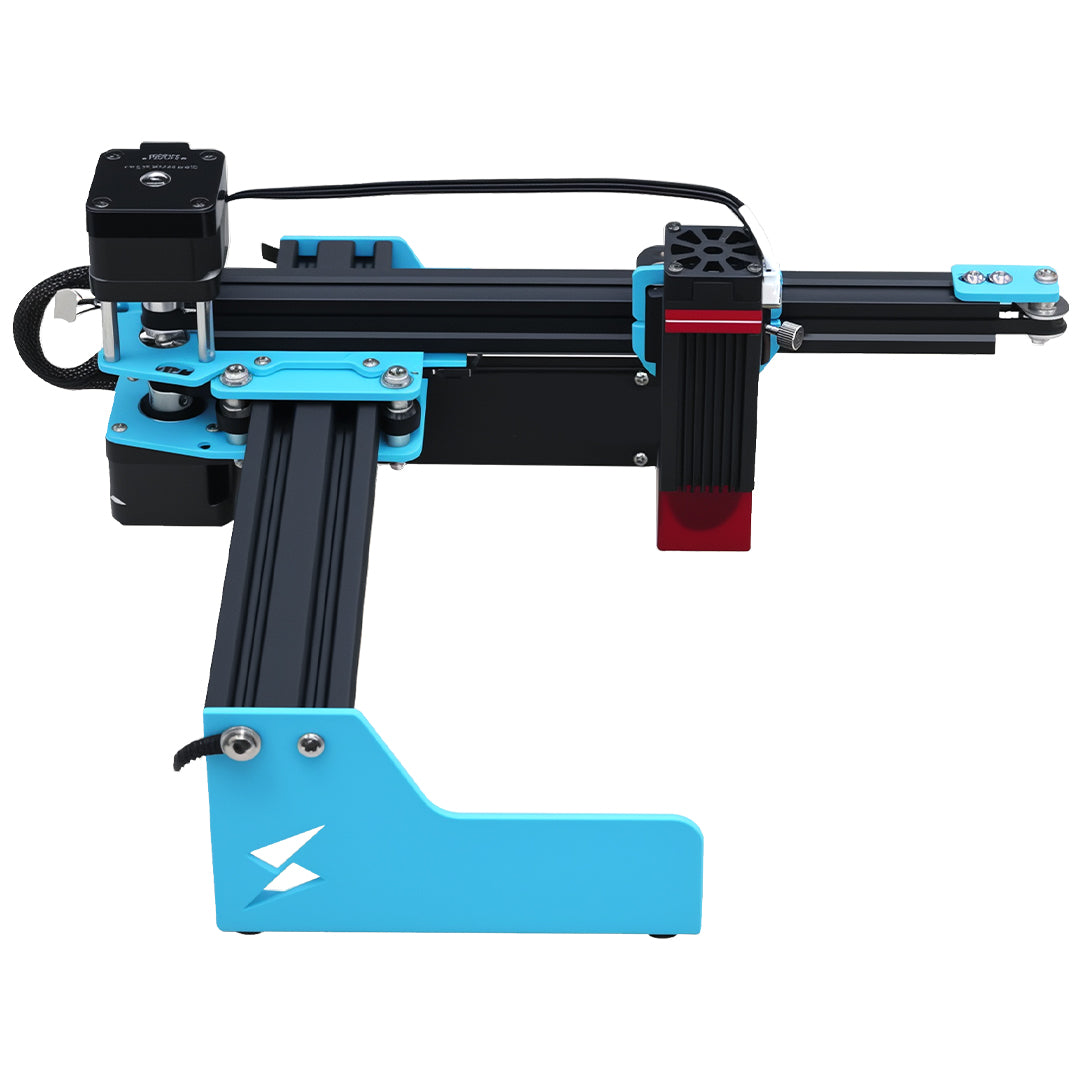
In this guide, we'll cover everything you need to know to use your Tyvok laser safely.
#1: Eye Protection - The Most Important Rule
This is non-negotiable. No exceptions.
A 10W laser can permanently damage your eyesight in less than a second. And you won't even feel it happening.
What You Need:
-
CO2/Diode Laser Safety Glasses - Make sure they're rated for your laser wavelength
-
Fit over prescription glasses if you wear them
-
Wear them ANY time the laser is active - even if you're just testing
-
Keep a spare pair - they're easy to misplace
Common Eye Safety Mistakes:
❌ "I'll just look away quickly" - Damage happens faster than you can blink
❌ "I'm just doing a quick test" - 1 second is all it takes
❌ "Sunglasses are good enough" - No, they're not. Not even close.
Your eyesight is worth $25. Buy the safety glasses.
#2: Ventilation - Protect Your Lungs
Laser engraving produces fumes. Some fumes are just smelly. Some fumes are toxic.
What You Need:
- Exhaust fan - Minimum 80 CFM. $50-100 investment.
- Vent to outside - Don't just blow the fumes into your garage.
- Fume extractor (optional but recommended) - Filters the air so you don't have to vent outside.
What Happens If You Don't Ventilate:
-
Fumes coat your laser optics, reducing power over time
-
You breathe toxic fumes for hours
-
Your whole house smells like burnt plastic
-
Your family gets annoyed
Pro tip for Tyvok A1 Mini owners: Buy the exhaust fan on day 1. It's the second most important accessory after safety glasses.
#3: Fire Safety - Lasers Can Start Fires
Lasers burn things. That's how they work. Sometimes they burn things you don't want them to burn.
Fire Safety Rules:
✅ Never leave a running laser unattended - This is the #1 cause of laser fires
✅ Keep a fire extinguisher within 10 feet - Class ABC is fine
✅ Have a honeycomb bed - Elevates material, reduces back burning
✅ Don't run jobs overnight - Just don't
✅ Clear the area around the laser - No paper, no cloth, no flammables
What To Do If There's a Fire:
- Unplug the laser - Cut power immediately
- Smother the fire - Use the fire extinguisher
- Don't open the lid - Oxygen will make it worse
- If it's out of control, get out and call 911 Important: Water and electrical fires don't mix. Never use water on a laser fire.
#4: Material Safety - Know What You're Cutting
Some materials produce extremely toxic fumes when lasered.
NEVER Laser These Materials:
❌ PVC / Vinyl - Produces chlorine gas. Toxic. Will also destroy your laser optics. Never, ever laser PVC.
❌ Polycarbonate (Lexan) - Produces toxic fumes, catches fire easily
❌ ABS Plastic - Produces cyanide fumes when burned
❌ Fiberglass - Produces toxic dust
❌ Any unknown material - If you don't know what it is, don't laser it.
Safe Materials:
✅ Wood (all types)
✅ Acrylic (cast and extruded)
✅ Leather (real and faux)
✅ Rubber
✅ Glass
✅ Metal
✅ Paper and cardboard (but watch for fire!)
#5: Electrical Safety
Lasers use electricity. Follow basic electrical safety.
Electrical Safety Rules:
✅ Use a dedicated circuit - Lasers draw a lot of power. Don't share with other high draw devices. ✅ Don't use extension cords - If you must, use a heavy duty 14 gauge or better. ✅ Keep the area around the laser dry - No water nearby. ✅ Unplug when not in use for extended periods - Especially when going on vacation.
#6: General Workspace Safety
A safe workspace is a productive workspace.
Workspace Rules:
✅ Keep it clean - Scrap material buildup is a fire hazard ✅ No food or drinks near the laser ✅ Keep kids and pets away - Laser is not a toy ✅ Have good lighting - You need to see what you're doing ✅ Have a first aid kit nearby - Burns and cuts happen
Safety Equipment Checklist for Tyvok A1 Mini Owners
Buy these on day 1, before you run your first job:
Item Cost Priority
Laser Safety Glasses $25 🔴 Critical
Exhaust Fan $59 🔴 Critical
Fire Extinguisher (Class ABC) $35 🔴 Critical
Honeycomb Bed $39 🟡 High
Air Assist $49 🟡 High
First Aid Kit $15 🟢 Medium
Total safety investment: ~$222
Compare that to the cost of eye damage, a house fire, or health problems. This is the best money you'll spend.
Common Safety Myths Debunked
Myth #1: "I don't need safety glasses, I never look directly at the laser."
False. The reflection off the material is just as dangerous as the direct beam.
Myth #2: "Ventilation isn't necessary, I'll just open a window."
False. A window doesn't provide enough airflow. You need active exhaust.
Myth #3: "I can run jobs while I sleep, it's fine."
False. 90% of laser fires happen when people leave jobs unattended.
Myth #4: "All plastics are basically the same."
False. PVC will kill you. Acrylic is fine. Know the difference.
Ready to Use Your Laser Safely?
The Tyvok A1 Mini and Tyvok P2 Galvo are both extremely safe machines when used correctly. They have built in safety features like lid interlocks that prevent the laser from firing when the lid is open.
But safety features only work if you use them. Follow the rules in this guide, and you'll have years of safe, profitable laser use.
Ready to get started safely?
👉 Get the Tyvok A1 Mini - Built in safety features, perfect for beginners 👉 Upgrade to Tyvok P2 Galvo - Industrial safety features for production use
Last updated: May 2026 | Published by: Tyvok Technical Guides Team