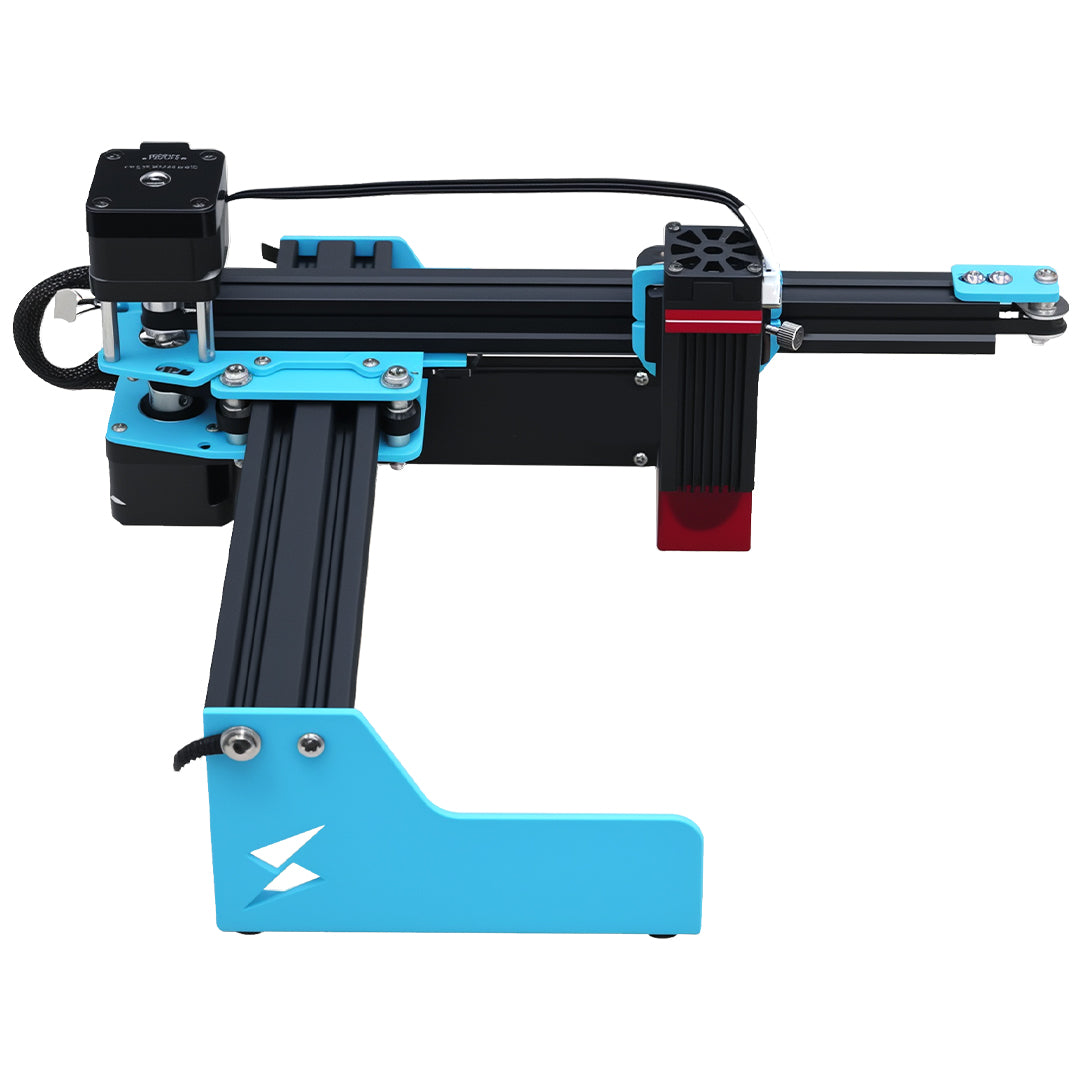


A1 Mini 5W vs 10W: Choose From the First Three Projects
Wattage is not the first question. Write three intended early projects, their materials, physical sizes and whether the action is marking, engraving or cutting. Then compare current 5W and 10W options against those tasks.

Start with three projects, not wattage
A May 2026 beginner asked whether 5W, 10W or 20W fits gifts, mugs and wood work while commenters stressed material, ventilation and workflow limits. Demand source. Use live A1 Mini documentation and identified samples; do not convert wattage into a universal thickness or speed table. Include workspace, supervision, learning and replacement-blank cost in the decision.
Compare current configurations by action
| Decision point | Evidence to retain | Hold condition |
|---|---|---|
| Projects | Three named early jobs | Avoid vague future use |
| Action | Mark, engrave, or cut | Do not compare wattage alone |
| Variant | Current 5W or 10W listing | No thickness/speed promise |
| Decision | Proof burden and workflow fit | 3.5W remains separate |
Choose the smallest current configuration that passes the actual workflow with acceptable proof burden, or delay purchase if the material/action is unsupported. The separate 3.5W listing is not silently folded into this comparison.
Leave universal thickness claims out
The chosen A1 Mini option should trace back to the three named projects and their accepted samples. Future ambitions can be noted, but they should not outweigh unsupported current material needs.
Worked record for decision
Example project set: mark a documented coated tag, engrave a small wood ornament, and cut an eligible paper pattern. Score each current option on project fit, proof attempts, workspace burden, and upgrade pressure. Do not turn that scorecard into claimed millimetres-per-second or universal cut depth.
A1 Mini boundary for projects
For every 5W/10W sample, require identified compatible material, suitable extraction, continuous supervision and fire readiness; refuse unknown, PVC or chlorinated stock and avoid universal speed or thickness claims. Confirm the current A1 Mini configuration before purchase or use.
Related checks after action
The faux-leather guide supplies a full hidden-layer gate for one likely project, and the focus guide prevents a setup error from being mistaken for insufficient wattage. Read Faux Leather for Laser Engraving: Verify It Is PVC-Free and First Focus Test: Use a Safe Ramp or Distance Card.
Buyer questions about variant
Is 10W always better than 5W?
No. Choose from the exact early projects, material actions and current configuration.
Can you promise a cutting thickness?
No. Results vary with stock and setup; use current documentation and supervised samples.
What about the 3.5W option?
The live page lists it separately; this comparison is limited to current 5W and 10W choices.