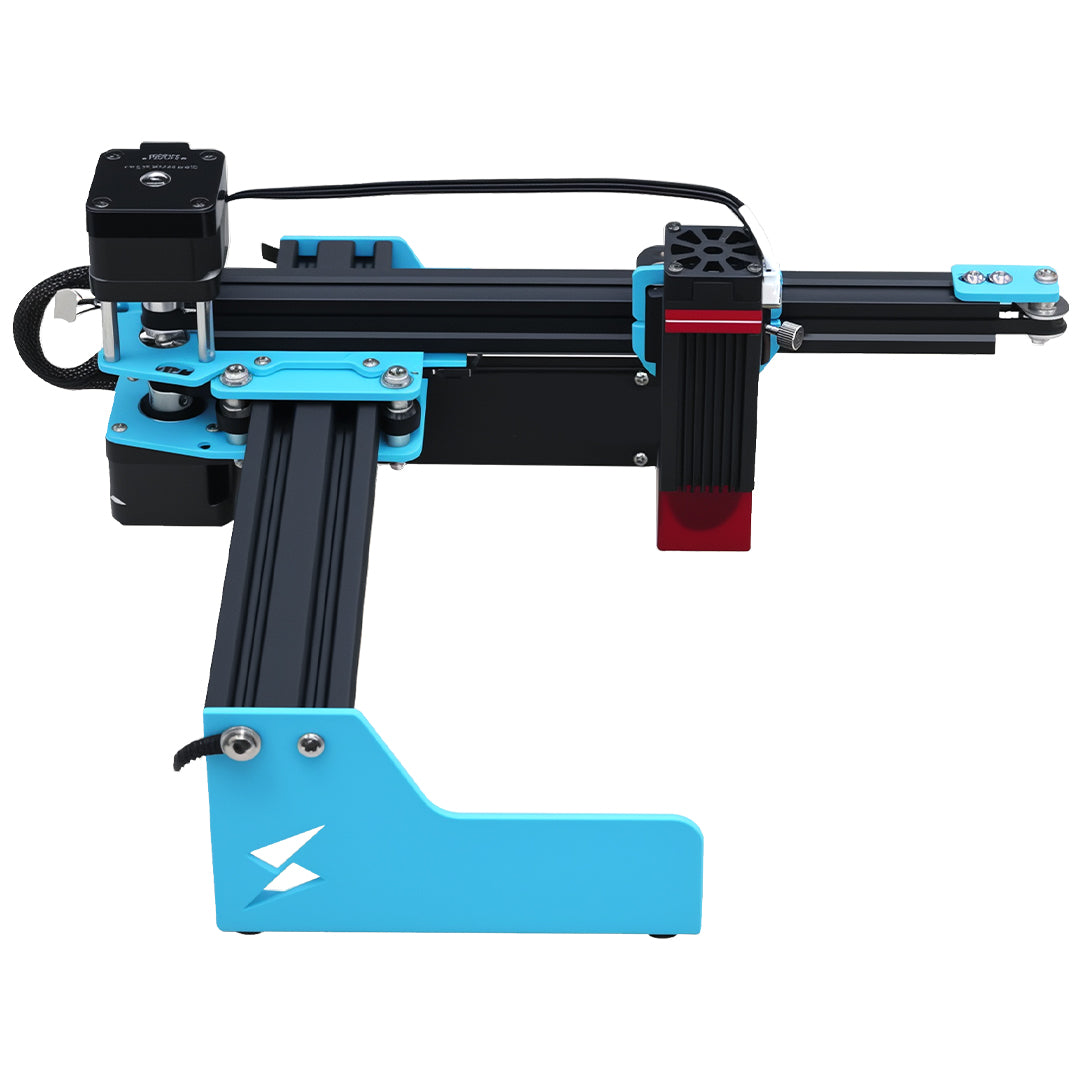


A personal laser project can replace a purchase when it performs the same useful job and you would otherwise buy that item. Compare the avoided purchase with supplies, unsuccessful pieces, consumables and supervised time. You do not need to invent a gift business to evaluate a nameplate made for your own desk.

A July 1, 2026 discussion about laser economics questions how to attribute financial value. Applying that question to avoided household purchases is an inference here, not a reported owner's savings result. There is no sales assumption in this example.
Pick a real alternative
Choose one object you need, such as a small desk nameplate. Write down the delivered price of a comparable purchased item and the features that matter: readable lettering, stable support, suitable dimensions and acceptable finish. An expensive custom product is not a fair comparison if you would actually buy a basic printed label.
For A1 Mini, verify the nameplate material's full composition and finish for the selected machine configuration, intended process and extraction system. If the project requires cutting, confirm that operation separately from engraving. A commercially prepared eligible blank can simplify the job without implying that all blanks are suitable.
| Hypothetical personal nameplate | Amount |
|---|---|
| Comparable delivered purchase avoided | $18 |
| Eligible blank and stand | $5 |
| Additional piece reserved for failure | $5 |
| Consumables and energy allocation | $1 |
| Cash difference before equipment cost | $7 |
This $7 difference is illustrative. It is neither income nor a machine-payback forecast. Record the actual supplies consumed afterward; an unused spare remains stock, while a damaged blank belongs to this project's cost.
Keep time visible without making it a wage
Suppose the example also requires 35 minutes of file preparation, supervised processing and finishing. You can value that time as enjoyable making, or assign it an opportunity cost. Either way, write it down. The comparison becomes misleading if the purchased item's delivery charge counts but an afternoon spent remaking your own object disappears.
Equipment purchase, extraction, protective setup and workspace are excluded from the table. If you are considering buying the machine solely for this project, add those costs to the decision. Dividing a machine price by the hypothetical $7 assumes identical future projects and savings that have not been established.
An assembled organizer introduces a different risk: a part can look good but fail to fit. The basswood kit tab-fit record helps keep that assembly requirement visible when the exact material and process are qualified. For paper alternatives, display versus handling suitability determines whether the object can genuinely replace something used every day.
What A1 Mini contributes
The A1 Mini product page lists a 120 × 130 mm engraving area and desktop maker positioning. Check the complete project against the supported setup. Compact dimensions do not remove extraction or supervision requirements, and the page cannot establish your personal savings.
Do free leftover materials make the project free?
No. They may reduce new cash spending, but preparation, consumables and time remain. Unknown leftovers also need full material identification before laser use. A zero purchase price is not evidence of processing eligibility.
What if I enjoy making more than buying?
That is a valid reason to choose the project. Separate enjoyment and learning from cash saved so neither needs an exaggerated financial claim. A useful object can be worthwhile even when buying it would have cost less.