

An RFID-blocking wallet needs two separate decisions before personalization: whether its complete construction is suitable for the proposed laser process, and how its intended blocking function will be assessed afterward. A clean name on the outside establishes neither by itself. Do not promise retained RFID performance from an engraving photograph.
The xTool leather application guide includes RFID-blocking bifold wallets among its examples. That suggests a real accessory category, but a generic leather recommendation does not establish the construction of another supplier’s wallet or validate the TYVOK P2 process on it.
Write two acceptance criteria on the order
Separate “the customer can read the logo” from “the product still meets its stated functional specification.” Otherwise, a personalization supplier may accept a sample by appearance while the buyer assumes the original performance claim remains verified.
| Decision | Evidence needed | Insufficient substitute |
|---|---|---|
| Material suitability | Exact outer material, coating, lining and blocking-layer information; supplier process approval | Leather-looking surface |
| Artwork placement | Proof showing folds, seams and the approved marking area | Centered logo in a flat screenshot |
| Finish quality | Cooled sample inspected for the agreed cosmetic criteria | Machine preview |
| Retained function | Supplier-defined assessment appropriate to the product’s claim | A phone failing to read one card |
RFID-blocking wallets may use passive materials; the label does not mean that the wallet contains electronics. Even so, its functional layers are part of the product. Do not assume that a surface operation cannot affect them, and do not invent a universal test method for every wallet.
Use a documented spare of the same construction
Consider an order for twenty matching wallets. A sample on unrelated leather is useful for practicing a logo layout but cannot qualify the wallet assembly. Obtain a spare from the same specified construction and agree with the supplier on the permitted processing area and the assessment to follow. If the supplier cannot identify the layers or approve the process, decline that blank rather than experimenting on the customer’s item.
Once the material decision is settled, use a paper wrap to check fold-safe logo placement. Keep clear of seams and folding regions according to the supplier’s limits. This solves placement; it does not replace the separate functional assessment.
P2 fit is a third, physical check
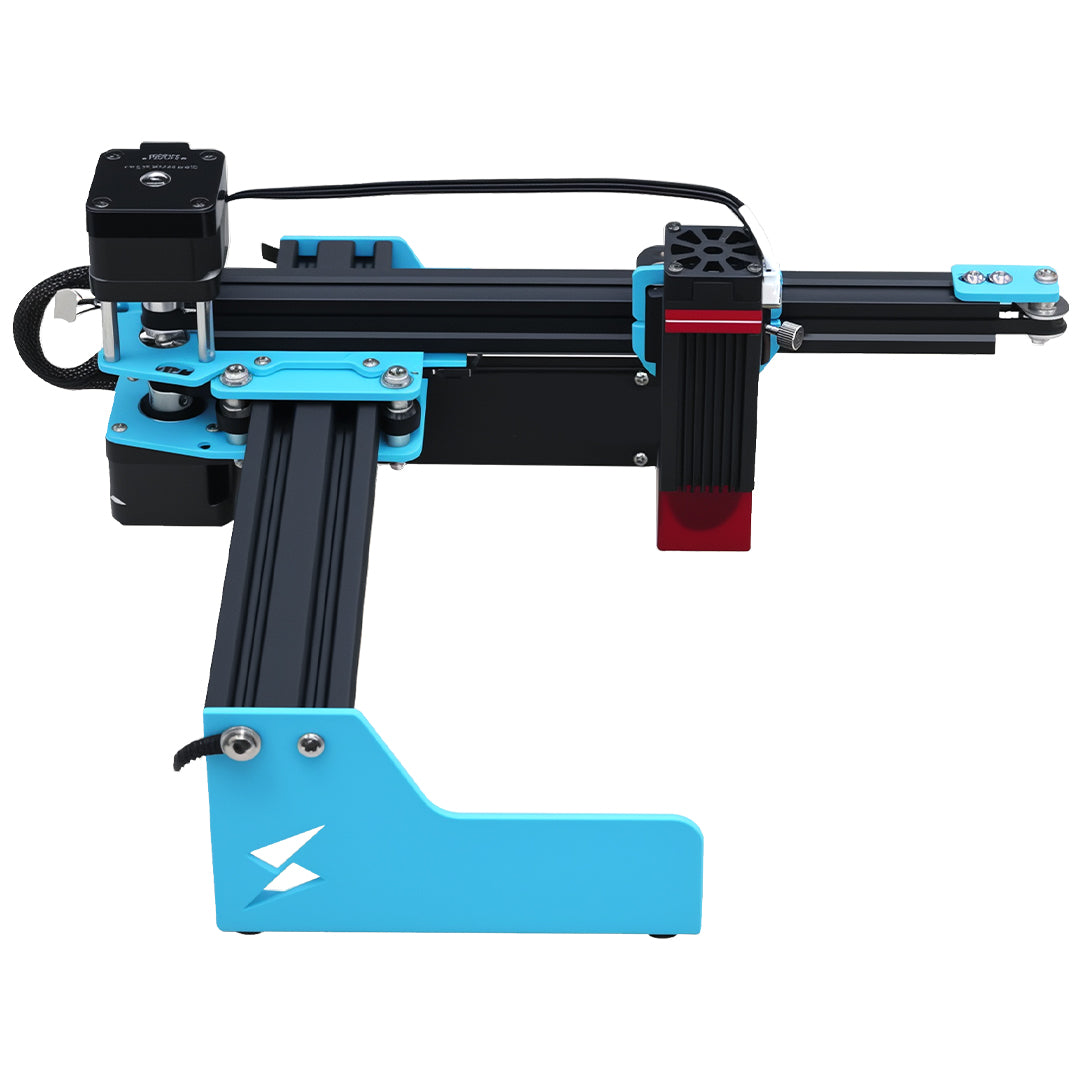
The TYVOK P2 uses a compact galvo blue-diode workflow. Confirm that the chosen exterior area can be positioned and focused as required without forcing the wallet flat or putting unwanted parts into the work area. Remove all cards and other contents. Do not import a deep-engraving promise from a fiber-laser demonstration.
Layered accessories need their own documentation. A cork phone case has a related hidden-material problem, although its acceptance criteria differ from a wallet sold for blocking performance. Keep the supplier record tied to the exact accessory, not merely the visible material category.
Can I check RFID blocking with my phone?
A single phone-and-card attempt is not a general validation method. Ask the wallet supplier what assessment supports the exact claimed function and whether it remains applicable after personalization.
Is engraving acceptable if the outer leather looks unchanged?
Appearance is only one acceptance criterion. The approved process, construction information and agreed functional assessment still matter. Avoid advertising a retained specification you have not established.