

Support a wooden hairbrush by a suitable rigid part of its body, leaving the bristles unloaded. Then check whether a small area of the back can be held at the required focus. If the brush rocks, its dome varies too much across the name, or the protective setup cannot close correctly, change the support or decline that blank.
A personalized wooden hairbrush project demonstrates the appeal of decorating the back. An assembled brush also brings bristles, a cushion and possibly unknown coatings into the setup. A project example on another machine does not establish compatibility for the complete brush on P2.
Inspect what will carry the weight
With the machine safely off, place the brush on the proposed support. Confirm which rigid surfaces touch it and whether the bristles hang free. Do not press the brush downward to make a curved back appear level: pressure on the cushion or bristles can change its position when released.
Try removing and replacing the brush several times. Watch for rocking and changes in the top-facing patch. A broad stable support may work better than a narrow contact beneath the handle, but it must not obstruct the machine or its protection. The support assessment for a finished journal cover follows the same practical rule: the visible face must stay where it was focused.
Keep a small name inside a proven patch
Use a paper outline of the proposed name on the brush back. Inspect how quickly the surface falls away toward the edges. Follow TYVOK's focus guidance for the actual P2 configuration; do not assume a galvo automatically corrects for the dome. If a short name fits the suitable patch, that does not mean a full-width illustration will also work.
| Brush feature | Check before a P2 sample | Stop condition |
|---|---|---|
| Rigid body | Support bears on a stable structural surface | Bristles or cushion carry the weight |
| Back curvature | Marking patch remains within documented focus conditions | Ends of the name sit on an unverified slope |
| Finish | Supplier identifies and approves the coating for processing | Unknown lacquer, laminate or adhesive in the heated area |
| Clearances | Brush and support fit without bypassing protection | Handle or holder obstructs normal operation |
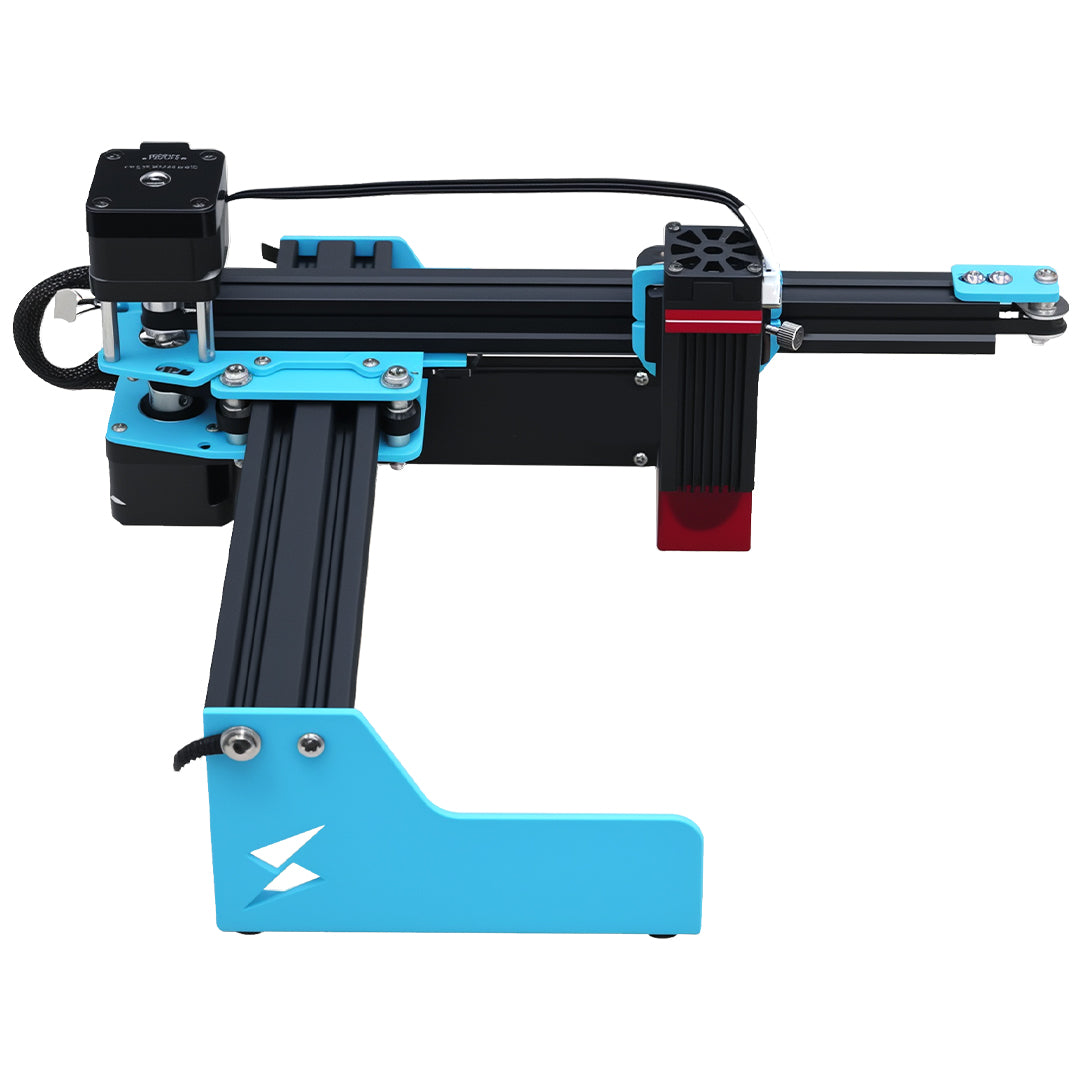
The TYVOK P2 lists a compact 60 × 60 mm working field for its blue-diode galvo workflow. That is the marking field, not proof that a whole brush fits safely beneath the stand. Check body height, handle clearance and support before selecting a design size. Keep bristles, rubber and unapproved components outside the processed area.
After a spare approved sample is engraved, compare both ends of the lettering. Uneven clarity calls for reviewing support and focus before increasing power. A golf-tee restraint check illustrates why an object that settles differently after each reload needs a better holder before repeat work.
Can I rest the brush directly on its bristles?
Avoid using flexible bristles as a locating surface. They can bend or spring back, changing height and tilt. Choose a support that carries the rigid body while protecting the bristles.
Is a wooden back enough to confirm laser suitability?
No. Ask about the complete finish and construction around the marking zone. If the supplier cannot identify them, use a different confirmed blank instead of guessing from the visible wood grain.