

Fit the cord to an unengraved wooden medallion and check which face hangs outward before committing the artwork. Hole position, connector size and the way the cord passes through the blank can change its wearing orientation. The engraving footprint should follow that physical decision.

In a March 14 equipment question, an event producer wants to make wooden necklace medallions in-house. Cord fitting is a practical planning step inferred from that intended product, rather than a reported TYVOK failure. It is useful to resolve it while the samples are inexpensive to change.
Build the attachment sample first
Use the actual purchased blank, cord and any connector specified for the project. Keep this fitting exercise separate from laser operation. Do not assume that a nominal hole diameter describes its smallest clear opening after manufacturing, or that a connector listed by outside diameter will fit through it.
Feed the cord or connector through the prepared opening without forcing it. Look for snagging and rough edges using an appropriate inspection method. Set aside any blank with a split near the attachment point. Do not enlarge a hole by improvising a laser operation that the machine and material instructions do not support.
Let the sample hang naturally in its intended display orientation. A single cord through one opening can behave differently from a connector ring; a knot behind the disc can tilt it. Mark the selected front and top on a paper layout, not with an unknown coating that would remain under the beam.
| Before a P2 face mark | What the sample must establish |
|---|---|
| Cord and prepared opening | Assembly without forcing or visible damage |
| Connector and edge clearance | No rubbing against the intended artwork |
| Front and top orientation | The design reads correctly when suspended |
| Actual mark dimensions | Entire design fits the confirmed working field |
| Assembly sequence | Cord and hardware stay away from laser processing |
Check the view at wearing distance
A useful paper mock-up has a deliberately obvious top, such as a short word above the event symbol. Hold it against the front of the sample in its natural hanging position. If the text tilts or the knot covers it, change the physical arrangement before changing font size.
For example, two similar discs may have openings at different distances from the edge. They may need different placements even though the disc diameters match. Grouping them as one interchangeable blank can create an inconsistent set. Also examine the wood grain and marking sample so that fitting success is not mistaken for finished-face quality.
Keep the P2 task specific
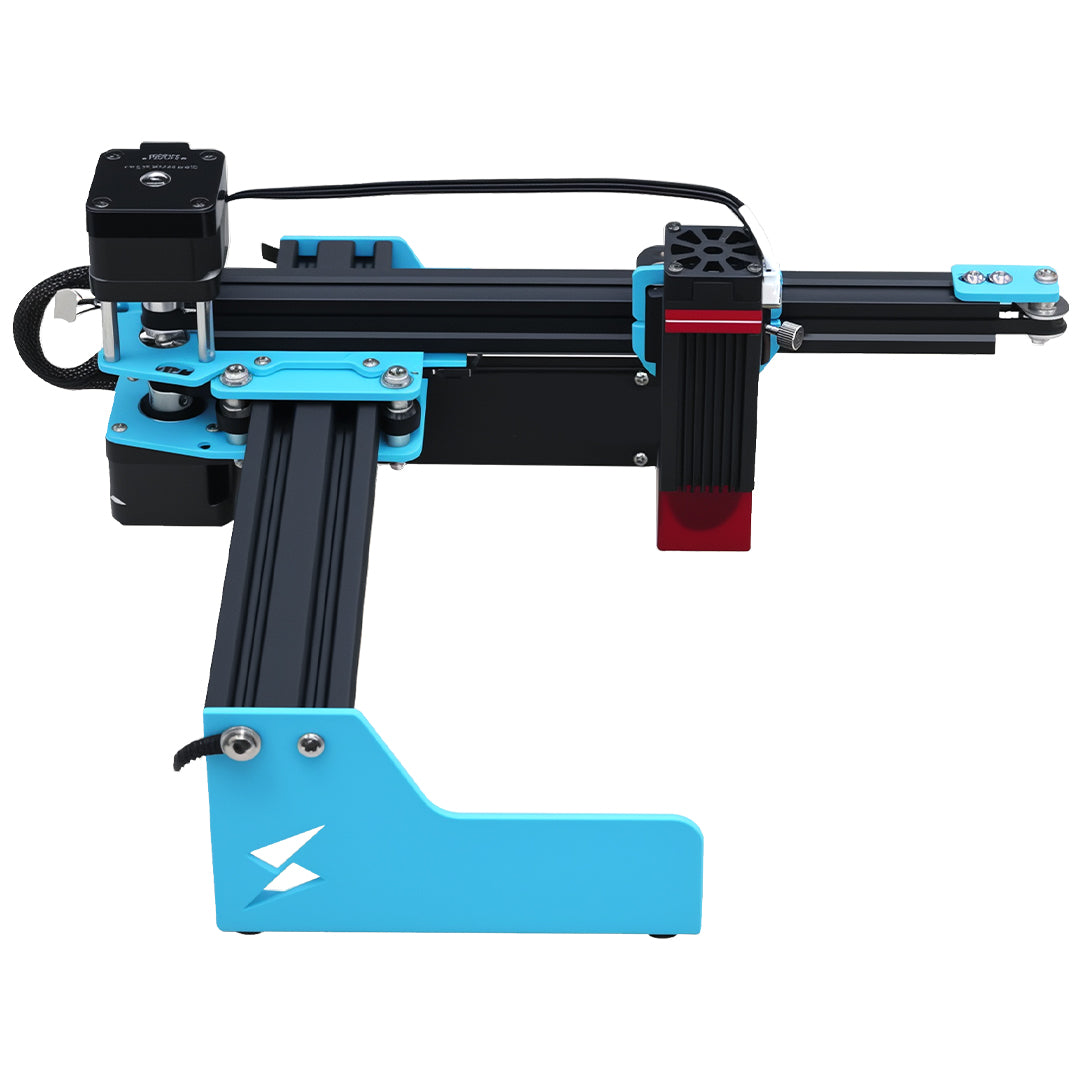
The current P2 product page lists a 60 × 60mm work area. Use the selected head and approved material setup to mark a compatible flat face; this does not promise drilled holes, metal hardware machining or certified wearable strength. Remove the cord and hardware for processing and use the manufacturer's supported placement and protective arrangements.
Time the later assembly separately. The same distinction appears in keychain hardware labor: attaching a small accessory can take longer than its compact mark. A completed sample should therefore establish appearance, assembly effort and the intended use limits.
Can I engrave a larger medallion if the logo is small?
The logo fitting the field is only one condition. The whole object must fit the supported clearance and holding arrangement without interfering with the machine.
Does this fitting check prove a necklace is safe for children?
No. It checks assembly and orientation only. Do not treat it as a wearable safety assessment or make child-use claims from it.