

Direct Answer

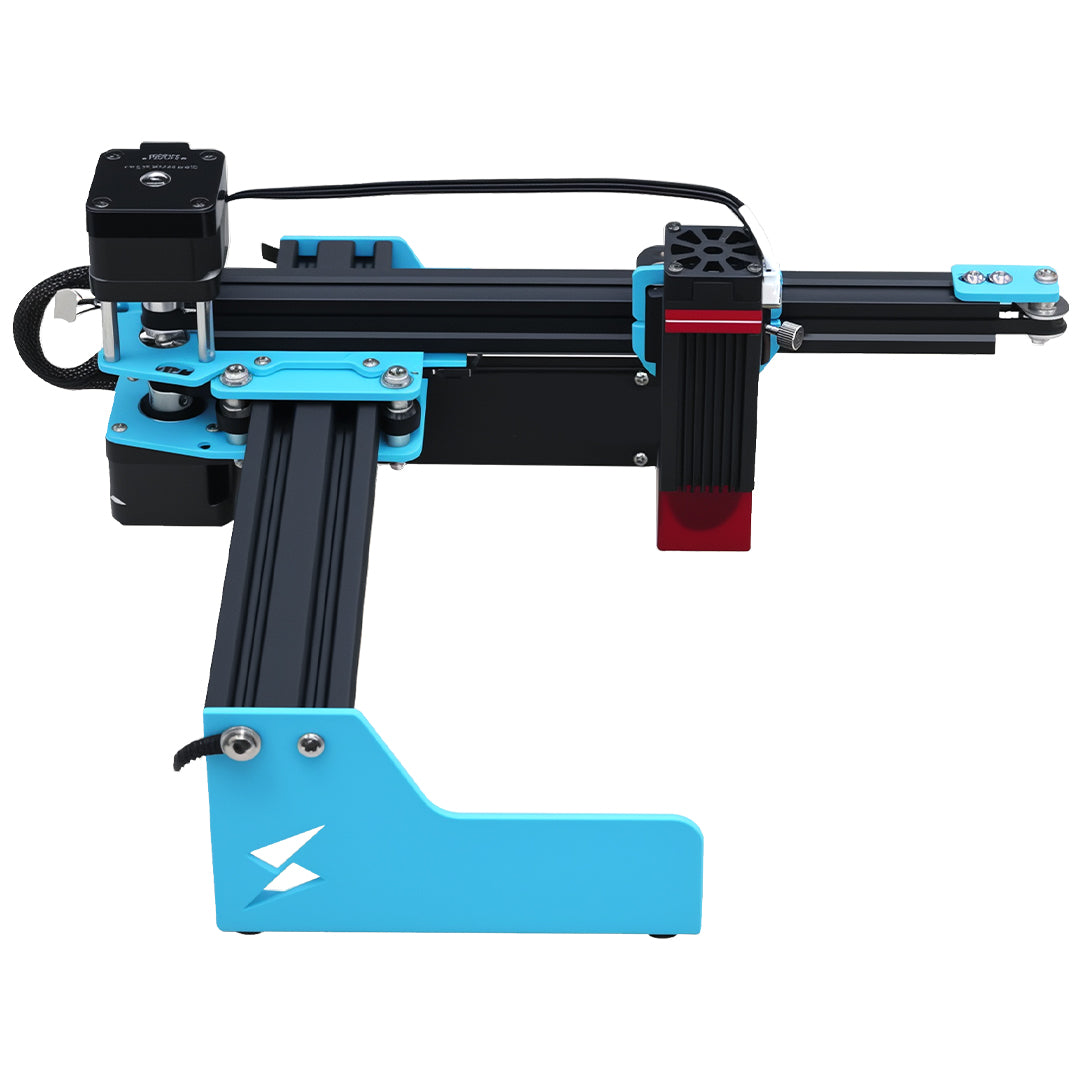
A laser engraver for acrylic display signs should be chosen around the exact acrylic material, sign size, layout area, ventilation, and finished display result. TYVOK X1S and X1S Pro are better TYVOK shortlists when the project needs a larger sign panel, retail display layout, booth sign, table sign, or repeated flat sign workflow. TYVOK P2 is better when the work is compact personalization on small tags, cards, coated pieces, or small gifts.
The key warning is simple: acrylic is not one material. Clear acrylic, tinted acrylic, opaque sheets, painted panels, coated sheets, and acrylic-like display blanks can behave very differently. Do not assume a visible blue diode workflow is the right answer for every clear acrylic sign. Test the exact material and confirm safety before selling.
Case Snapshot
| Case question | What the X1S acrylic case helps answer | Buying meaning |
|---|---|---|
| Can a large display panel be engraved? | The case appears to show a large clear display panel with visible line work | Useful visual reference, not proof of broad acrylic compatibility or repeatable results |
| Do I need X1S or X1S Pro? | Larger signs need more layout room than compact personalization | Compare current X1S / X1S Pro bundle and actual panel size |
| Is clear acrylic a default fit? | No. Clear acrylic requires extra caution with blue diode workflows | Confirm material, coating, preparation, and safety before buying |
| What sells the result? | The finished sign, readable detail, and display context | Buyers need to see the final display, not only the machine |
Project Video Reference
The official TYVOK Spider Laser channel includes an acrylic project video:
Use the video as a visible project and workflow reference. It should not be used as proof that every acrylic sheet, thickness, color, or coating is compatible. Material behavior depends on exact acrylic type, surface preparation, color, thickness, laser module, settings, air assist, ventilation, and safety confirmation.
Why Acrylic Display Signs Are Different

Acrylic display signs are not just engraving tests. They are visual products. A useful sign must be readable, clean, stable, safe, and easy to photograph. If the finished sign looks weak in a photo, the machine choice does not matter.
For small businesses, acrylic signs can serve several real uses:
- Retail counter signs.
- Market booth displays.
- Product category labels.
- Table numbers and event signs.
- Logo display plates.
- Shelf labels and product information signs.
- Workshop, studio, or office display panels.
The buying decision should start with the sign you want to sell or use. The material, panel size, mounting method, and finished photo decide whether X1S, X1S Pro, or a compact workflow makes sense.
Clear Acrylic Warning
Clear acrylic deserves a direct warning. Many visible blue diode laser workflows do not process clear acrylic cleanly because the light can pass through the material instead of being absorbed well. Some users may use coatings, masking, paint, backing, or prepared materials, but those workflows must be tested safely and should not be treated as universal.
If your business depends on clear acrylic awards, edge-lit signs, thick transparent panels, or polished display pieces, verify the exact material and laser workflow before buying. In some clear-acrylic workflows, a different laser/material approach may be more appropriate.
For a safer buying decision, use these rules:
- Do not treat acrylic as one uniform material category.
- Do not promise clear acrylic cutting.
- Do not promise thick acrylic performance.
- Do not process PVC, vinyl, unknown plastics, unknown coatings, or unknown composite sheets.
- Do confirm the material source, coating, ventilation, residue, and finish before selling.
Quick Choice: P2 vs X1S vs X1S Pro
| Buyer need | Better TYVOK path | Why |
|---|---|---|
| Small acrylic-style tags, cards, compact labels | TYVOK P2 | Compact personalization does not need a large frame |
| Larger display signs and panel tests | TYVOK X1S | More layout room for signs, panels, and booth displays |
| Planned display-sign product line | TYVOK X1S Pro | Stronger shortlist when larger layouts, accessories, and shop workflow matter |
| Clear acrylic as the core product | Verify material and laser compatibility first | Do not buy from the word "acrylic" alone |
When X1S Makes Sense
X1S makes sense when the display sign is too large for compact personalization, but the buyer is still validating material, product size, and customer demand.
Choose X1S when:
- You want to test larger flat sign layouts.
- You need room for retail counter signs, booth signs, or display panels.
- You want to arrange several smaller sign blanks in one layout.
- You are still testing which material source and sign size works.
- You want a growth path from compact personalization into larger display products.
Before buying, confirm the current X1S bundle, platform option, work area direction, ventilation plan, and the exact display material.
When X1S Pro Makes Sense
X1S Pro makes more sense when acrylic or display signage is already part of a planned product line. It should be shortlisted when the buyer needs a more structured large-format workflow, Pro configuration options, accessory planning, and enough shop space for larger panels.
Choose X1S Pro when:
- You already know the sign sizes you want to produce.
- You need larger or repeated display layouts.
- You want to compare Pro bundle options and accessories.
- You have space for material handling and inspection.
- You can document material source, settings, finish, and packaging.
Do not choose X1S Pro only because the display panel is visually impressive. Choose it because the product line needs the workflow.
Display Sign Product Ideas to Test
| Product idea | Why it can work | What to verify |
|---|---|---|
| Retail counter sign | Clear business use case | Readability, glare, stand method |
| Booth display panel | Useful for makers and markets | Size, transport, mounting |
| Table number or event sign | Repeatable demand | Batch consistency, text size |
| Product category sign | Practical for stores and craft booths | Layout, contrast, placement |
| Logo display plate | Strong business buyer intent | Logo detail, material color, photo quality |
| Shelf label or product info sign | Repeatable commercial use | Small text readability and cleaning |
Start with one sign type, one material source, one panel size, and one display method. Make one finished sample before building a product catalog.
Material and Safety Checklist

Use this checklist before selling acrylic or acrylic-like display signs:
| Check | Why it matters |
|---|---|
| Exact material name | "Acrylic" is too broad for a safe buying decision |
| Clear, tinted, opaque, painted, or coated | Laser response can change by type and surface |
| Supplier safety information | Unknown plastics and coatings can be unsafe |
| Ventilation plan | Display materials can create fumes and residue |
| Mark contrast | A sign must be readable in real light |
| Edge and surface finish | Scratches, haze, or residue can reduce perceived quality |
| Mounting or stand method | A sign must stand, hang, or display cleanly |
| Packaging method | Acrylic-like panels can scratch during shipping |
For unknown sheets, do not guess. Confirm material composition before laser processing.
What Finished Product Photos Should Show
A good acrylic display sign listing should show the result first. A buyer should quickly understand the finished sign, the scale, the readability, and the use case.
Use this image sequence:
- Finished sign in a retail, booth, counter, desk, or display setting.
- Close-up of engraving detail and contrast.
- Full panel view showing scale.
- Side view showing thickness, edge, or stand.
- Workflow or machine image showing why larger layout area matters.
- Packaging or mounting detail if the sign is sold as a product.
Machine photos are useful, but they should support the result rather than replace it.
X1S Acrylic Workflow Test
Before taking acrylic display sign orders, test this workflow:
- Choose one exact material source.
- Confirm the material and coating are safe for laser processing.
- Choose one sign size and use case.
- Prepare the design at final size.
- Test on a small sample before using the full panel.
- Check readability, contrast, smell, residue, edge behavior, and cleanup.
- Photograph the finished sign in its intended display context.
- Repeat the process before accepting larger orders.
The goal is not just to mark the material. The goal is to confirm that the finished display sign is repeatable and worth buying.
Common Buying Mistakes
| Mistake | Why it is risky | Better approach |
|---|---|---|
| Buying for "acrylic" as one generic material | Acrylic behavior varies widely | Start with exact material and supplier |
| Assuming clear acrylic is easy | Clear sheets can be difficult for blue diode workflows | Verify material and laser type first |
| Showing only machine photos | Buyers cannot judge the sign | Lead with finished sign photos |
| Ignoring mounting and packaging | Signs must display and ship cleanly | Test stand, hardware, and packaging |
| Promising cutting from work area alone | Cutting depends on material and settings | Test exact thickness and workflow |
Recommended TYVOK Path
| Situation | Recommended direction |
|---|---|
| Small tags, labels, compact personalized pieces | TYVOK P2 |
| Larger opaque, tinted, coated, or tested display panels | TYVOK X1S or TYVOK X1S Pro |
| Clear acrylic awards or edge-lit signs | Verify material and laser compatibility before buying |
| Retail booth or counter signage | X1S / X1S Pro may fit if the material is proven |
| Batch display sign workflow | Test fixture, layout, material, finishing, and photos first |
Related guides:
- Large Format Laser Engraver Buying Guide: X1S vs X1S Pro
- X1S 800x2000 Extension Large Format Guide
- X1S Pro Batch Rotary Engraving Guide
- X1S Large Wood Sign Video Case Guide
- Laser Engraver for Packaging Inserts
FAQ
Q: What laser engraver is best for acrylic display signs?
A: Choose based on acrylic type, sign size, and workflow. X1S and X1S Pro are better TYVOK shortlists for larger display layouts, but clear acrylic must be verified carefully before buying.
Q: Can X1S engrave acrylic signs?
A: X1S can be relevant for larger display sign layouts when the exact material is compatible and safe. Test the material source, coating, contrast, ventilation, and finish before selling.
Q: Can a diode laser engrave clear acrylic?
A: Clear acrylic is often difficult for visible blue diode workflows because the material may transmit the light instead of absorbing it cleanly. Test the exact material and setup before buying or selling.
Q: Can X1S cut clear acrylic?
A: Do not assume clear acrylic cutting. Cutting depends on material absorption, thickness, module, air assist, settings, passes, and safety. Verify the exact material first.
Q: Is X1S Pro better for acrylic display signs?
A: X1S Pro is better to shortlist when the sign sizes, repeated layouts, shop space, and accessory needs justify a more planned large-format workflow.
Q: Should I use P2 for acrylic signs?
A: P2 is better for compact personalization and small pieces. For larger display panels or repeated sign layouts, compare X1S and X1S Pro after confirming material compatibility.
Q: What acrylic materials should I avoid?
A: Avoid PVC, vinyl, unknown plastics, unknown coatings, and any sheet without clear safety information. Confirm material composition before laser processing.
Q: What should product photos show?
A: Show the finished sign first, then close-up detail, full scale, display context, and mounting or stand details.
Q: Does a larger work area make acrylic signs better?
A: Not automatically. Larger layout area helps with bigger panels and batches, but quality depends on material, contrast, finish, mounting, and photos.
Q: What should I test first?
A: Test one material source, one sign size, one design style, one display method, and one packaging method before accepting paid orders.
Conclusion
Acrylic display signs can be a strong product category when the buying decision is honest about material limits. X1S and X1S Pro make sense for larger display layouts after the exact material is confirmed safe and compatible. P2 remains the better path for compact personalization. The safest buying decision starts with the finished sign, the exact acrylic, and the workflow a shop can repeat.