

Cast Acrylic vs Extruded Acrylic for Laser Engraving: Key Differences 2026
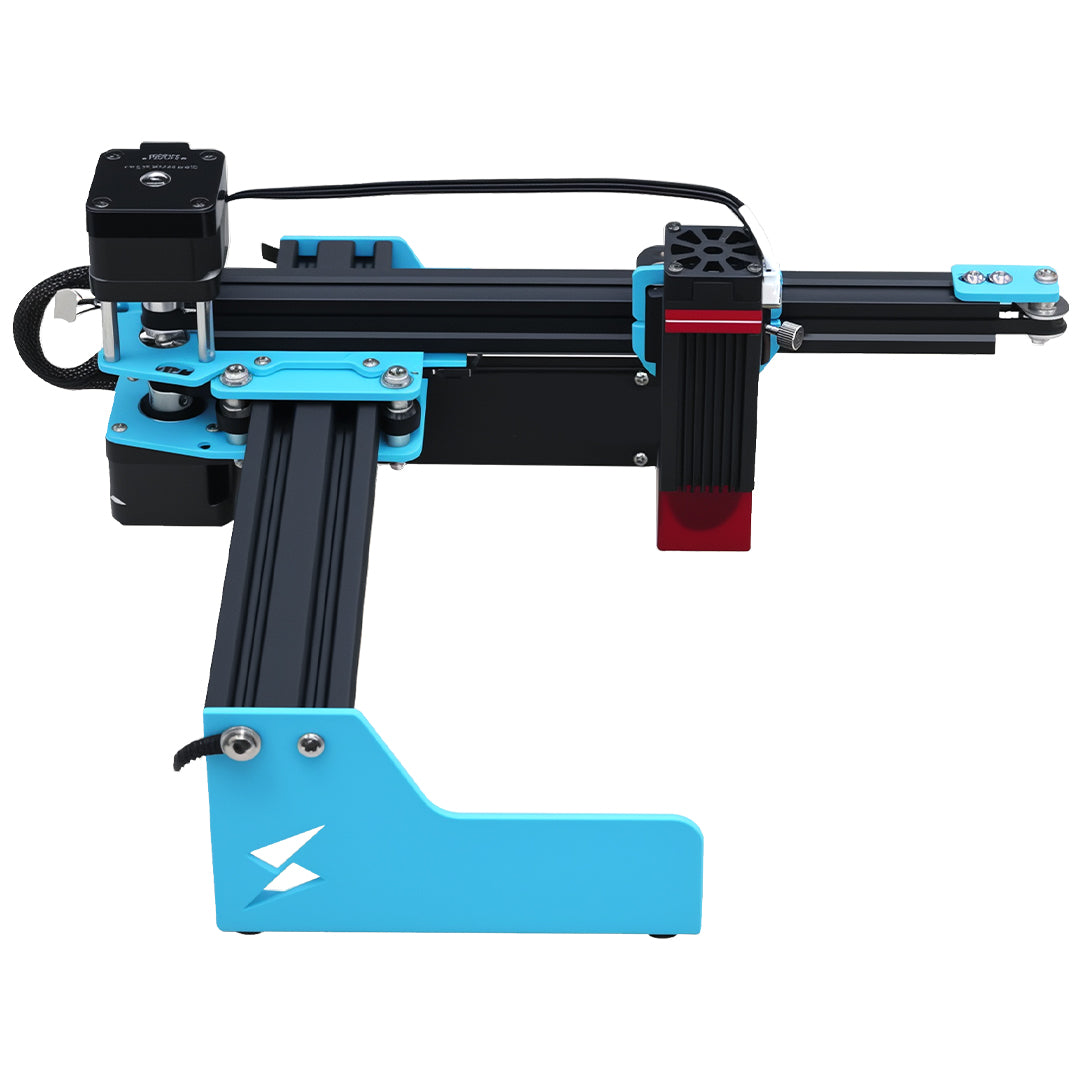
Acrylic (also known as Plexiglas or Perspex) is one of the most popular materials for laser cutting and engraving. It's affordable, versatile, and produces incredibly clean, glossy results when laser cut. If you're new to laser cutting, you might have noticed that acrylic comes in two main types: cast and extruded. In this guide, we'll break down the key differences between cast acrylic vs extruded acrylic and help you choose the right one for your next project with your Tyvok A1 Mini 10W diode laser engraver or Tyvok P2 galvo laser engraver.
What Is Acrylic?
Acrylic is a transparent plastic that has many advantages over glass – it's lighter, more impact-resistant, and easier to cut and shape. For laser users, it's a dream material because it melts cleanly when cut by a laser, producing a perfectly smooth, polished edge right off the laser bed with no additional finishing required.
How Are Cast and Extruded Acrylic Made?
The main difference between cast and extruded acrylic comes down to how they're manufactured:
Cast Acrylic
Cast acrylic is made by pouring liquid acrylic monomer into a mold, where it cures into a solid sheet. The casting process is slower and more labor-intensive, which is why cast acrylic is more expensive.
The curing process produces a sheet with very consistent properties and excellent optical clarity.
Extruded Acrylic
Extruded acrylic is made by pushing melted acrylic through a die to form continuous sheets, which are then cooled and cut to size. This is a much faster, more automated process, making extruded acrylic cheaper than cast.
Key Differences for Laser Cutting and Engraving
When it comes to laser work, there are some important differences between the two types that you need to know about:
1. Engraving Quality
This is where the biggest difference shows up:
Cast Acrylic:
- Produces a beautiful frosty white engraving that has excellent contrast
- The engraving is smooth and even
- Ideal for detailed engraving work
- This is the reason most people prefer cast for engraving
Extruded Acrylic:
- Tends to produce a more cloudy, uneven engraving
- The contrast isn't as good as cast
- Can sometimes produce brownish discoloration from melting
- Not ideal for fine detail engraving
2. Cutting Quality
Both types cut very cleanly with a laser, but there are still some differences:
Cast Acrylic:
- Cuts very cleanly
- Produces that popular glossy edge
- Less likely to have melting issues on the edges
- The cut edge is consistently smooth
Extruded Acrylic:
- Also cuts cleanly, but can sometimes have slightly more residue
- Can be more prone to melting during cutting because it has a lower melting point
- Still produces a good edge, just not quite as consistently perfect as cast
3. Price
Cast Acrylic: More expensive (usually about 20-30% more than extruded)
4. Stability and Flatness
Cast Acrylic: More stable and less likely to warp Extruded Acrylic: Has more internal stress from the manufacturing process, which can make it more prone to warping over time
5. Availability
Cast Acrylic: Available from specialty plastic suppliers and laser supply companies Extruded Acrylic: More widely available at general hardware stores and home improvement centers
6. Best Uses
Based on these differences, here's what each type is best for:
| Cast Acrylic | Extruded Acrylic |
|---|---|
| Engraving projects | Projects where you're only cutting, no engraving |
| Signs with text or logos | Boxes, containers, structural parts |
| High-quality finished projects | Practice pieces where you're learning |
| Projects where contrast matters | Budget projects where cost is important |
| Awards and trophies | Large projects where you need a lot of material |
Recommended Laser Settings
The settings for cutting cast vs extruded acrylic are very similar for a 10W diode laser. The main difference is that extruded acrylic has a lower melting point, so you can usually cut it a little faster:
Cutting Acrylic (10W Diode Laser - Tyvok A1 Mini)
| Thickness | Cast Acrylic | Extruded Acrylic |
|---|---|---|
| 3mm | 100% power @ 100 mm/min, 1 pass | 100% power @ 120 mm/min, 1 pass |
| 5mm | 100% power @ 70 mm/min, 2 passes | 100% power @ 85 mm/min, 2 passes |
Engraving Acrylic
- Cast Acrylic: 30-50% power @ 300-500 mm/min, 300 DPI – produces beautiful frosted results
-
Extruded Acrylic: 20-40% power @ 400-600 mm/min – lower power to avoid excessive melting
For a galvo laser like the Tyvok P2, you can use much faster engraving speeds: 200-500 mm/s at similar power levels.
Tips for Better Acrylic Results
Whether you're using cast or extruded acrylic, these tips will help you get better results:
- Use air assist: Air assist helps keep the cut edge clean and reduces charring. Your Tyvok A1 Mini comes with built-in air assist – make sure you use it when cutting acrylic.
- Focus correctly: Acrylic needs to be cut with the laser perfectly focused for the cleanest edge. Double-check your focus before starting.
- Ventilate well: Cutting acrylic produces fumes that you don't want to breathe – make sure your ventilation is working properly.
- Peel the protective paper: Don't remove the protective paper covering before cutting. It helps prevent scratches and can reduce the chance of melting on the surface. Just peel it off when you're done.
- Let it cool: After cutting, let your pieces cool down for a minute before handling them – they'll be hot from the laser heat.
Common Problems and Solutions
Problem: My engraved acrylic looks yellow or brown
Problem: The cut edge isn't glossy
Solution: Make sure your laser is properly focused and you're using the right power/speed combination. If the cut is incomplete, it won't polish the edge properly. Try another pass at full power.Problem: My acrylic warps after cutting
Solution: This is more common with extruded acrylic because of internal stresses. Letting it cool slowly can help. For large pieces, you can flatten it by placing it under a heavy weight while it cools.Problem: My engraving isn't contrasting enough
Solution: If you're using extruded acrylic, switch to cast acrylic – it naturally produces much better contrast. If you are using cast, increase your power slightly or slow down your speed to get a deeper engraving.Which One Should You Choose?
Our recommendation is simple:
If you're doing any engraving: Always choose cast acrylic. The extra cost is worth it for the much better engraving contrast and quality.
If you're only cutting and not engraving: Extruded acrylic is perfectly fine and will save you money. It cuts cleanly and works great for boxes, signs where the whole thing is cut out, and other projects without engraving.
If you're a beginner practicing: Start with extruded to save money while you're learning the settings, then switch to cast for your finished projects.
Popular Acrylic Project Ideas
Acrylic is incredibly versatile for laser projects:
- Engraved signs: Cast acrylic produces beautiful frosted text on clear or colored acrylic
- Lamps and night lights: Engraved acrylic that glows beautifully when backlit
- Jewelry: Earrings, necklaces, bracelets – laser cut acrylic is perfect for custom jewelry
- Boxes and containers: Custom storage boxes, gift boxes, display boxes
- Coasters: Clear or colored acrylic coasters with engraved designs
- Keychains: Custom acrylic keychains are a popular small business product
-
Awards and trophies: Engraved acrylic awards look professional and are affordable
Final Thoughts
Understanding the difference between cast and extruded acrylic is one of those basics that will save you a lot of frustration as a beginner. By choosing the right type of acrylic for your project, you'll get much better results whether you're cutting or engraving.
For most people getting started with laser engraving, we recommend having both on hand – extruded for practice and cutting-only projects, and cast for when you're doing finished work with engraving. Either way, your Tyvok A1 Mini 10W diode laser will handle both beautifully, and if you're doing production work, the Tyvok P2 galvo laser will speed up your engraving work dramatically.
Related Reading: Best Acrylic For Laser Engraving And Cutting Beginner S Guide 2026
Related Reading: Best Wood for Laser Engraving: Complete Beginner's Guide 2026
Related Reading: Best Acrylic for Laser Engraving and Cutting: Beginner's Guide 2026