

Small Logo Bitmap Has Too Many Pixels: Resize a Proof Copy
A physically tiny logo can arrive as a huge photograph or export. Pixel count affects editing load, while the mark's millimetre size controls what the buyer sees. Keep those measurements in separate columns before resizing anything.

Separate screen evidence from physical evidence
xTool software guidance directly reports that extremely large pixel images can slow import and editing, supporting a bitmap-only working-copy decision. Demand source. Make two proof copies from the untouched master: one conservative reduction and one smaller candidate. Import both at the identical physical width, check aspect ratio, and inspect the thinnest stroke after output. If detail disappears, change artwork or physical size rather than inventing a universal pixel target.
Build one controlled working copy
| Decision point | Evidence to retain | Hold condition |
|---|---|---|
| Source asset | Untouched bitmap and dimensions | Never overwrite original |
| Working copy | Final aspect ratio and pixel dimensions | Reject stretched export |
| Physical proof | Small strokes visible at final size | Increase mark size or revise art |
| Software state | Import/edit responsiveness observed | Do not invent a TYVOK limit |
Record original pixels, working-copy pixels, millimetre width, import time, and proof verdict. That record answers whether file weight was reduced without pretending PPI metadata equals laser resolution or promising shorter engraving time.
Release only the measured result
Choose the lightest bitmap copy that imports reliably and preserves the approved final-size strokes. Archive its exact pixel dimensions beside the physical proof; do not convert that result into a P2 resolution limit.
TYVOK P2 boundary for source asset
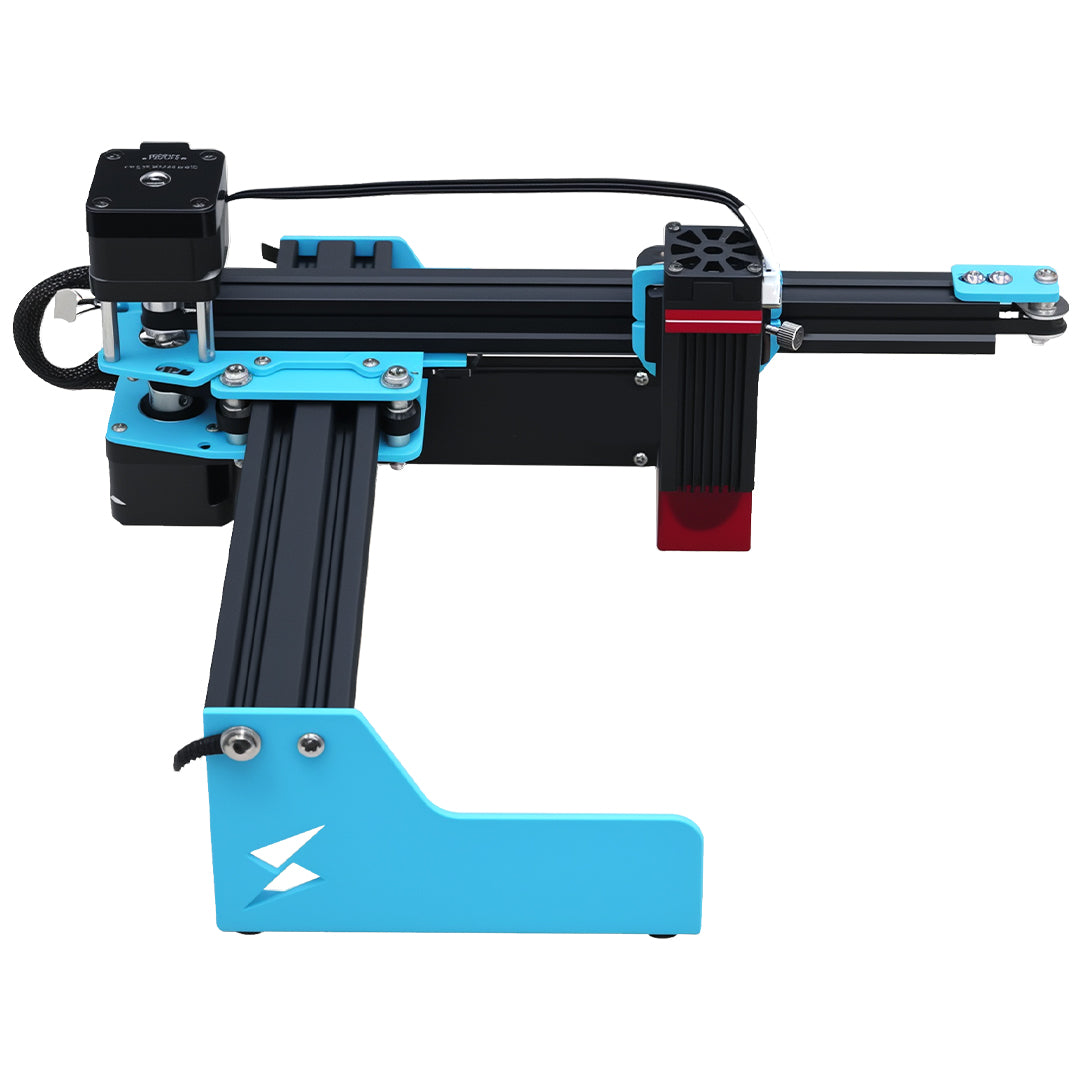
P2 is a 450 nm blue-diode galvo, not a file-resolution specification. Use an identified compatible proof blank, verify a safe boundary, and keep extraction, continuous supervision and fire readiness active; stop at flame, abnormal smoke, unexpected motion or heat damage. Confirm the current TYVOK P2 configuration before purchase or use.
Related checks after working copy
If the logo medium is still undecided, compare the engraving/sticker proof next; if metal is named, establish whether the surface is anodized or bare before preparing more art. Read Engraved Logo or Sticker for a Branded Gift? and Anodized Aluminum or Stainless Steel: Check the Laser Process First.
Buyer questions about physical proof
How many pixels should a small logo have?
There is no universal number. Start from final physical dimensions and the verified software path, retain the original, and inspect a final-size proof.
Is DPI the same as laser resolution?
No. Source pixels, PPI/DPI metadata, line interval, spot behavior and physical mark size are different concepts.
Will fewer pixels engrave faster?
Not necessarily. It may improve editing, but run time and quality depend on the processed job and settings.