

Save a separate editable master before turning a name layout into one bitmap. Rasterization can preserve the appearance while removing the ability to select and replace individual letters. The flattened file is useful as an output asset, but it should not become the only surviving version of a personalized order.

The LaserPecker Edit Bar guide describes combining many objects into a raster image for transmission. That behavior explains why a maker might flatten a design; it does not establish that a TYVOK P2 will engrave faster or use the same software command.
Keep the wording and the appearance together
Use three clearly named files: an editable source, the approved visual proof, and the export intended for engraving. Give all three the same order or revision identifier. Keep the font information and any permitted linked artwork with the source so it can be opened on the computer that will handle a correction.
A simple test is to duplicate the source and replace one name with a longer one. If it takes painting over old pixels, that file is not an editable master. If the new name changes width, recheck its alignment instead of assuming the previous export dimensions remain suitable.
| File for a P2 name job | Must preserve | Quick check |
|---|---|---|
| Editable source | Text and arrangement | Select and change one word |
| Customer proof | Approved spelling and position | Compare against the named revision |
| Engraving export | Final visible shapes | Reopen in the receiving software |
| Spare-blank result | Actual size and contrast | Match the proof before repeating |
Flatten a copy only when the workflow needs it
For a small batch of names, first decide whether a vector or raster representation suits the mark. Neither format eliminates the need for readable letters. Avoid repeatedly exporting and resaving a compressed image, particularly around fine text.
After pasting names into a layout, inspect text width and anchor changes before making copies. For a removable heart token, keep the words that belong to the heart distinct from the surrounding card message in the editable source, even if the final engraving export contains only the heart text.
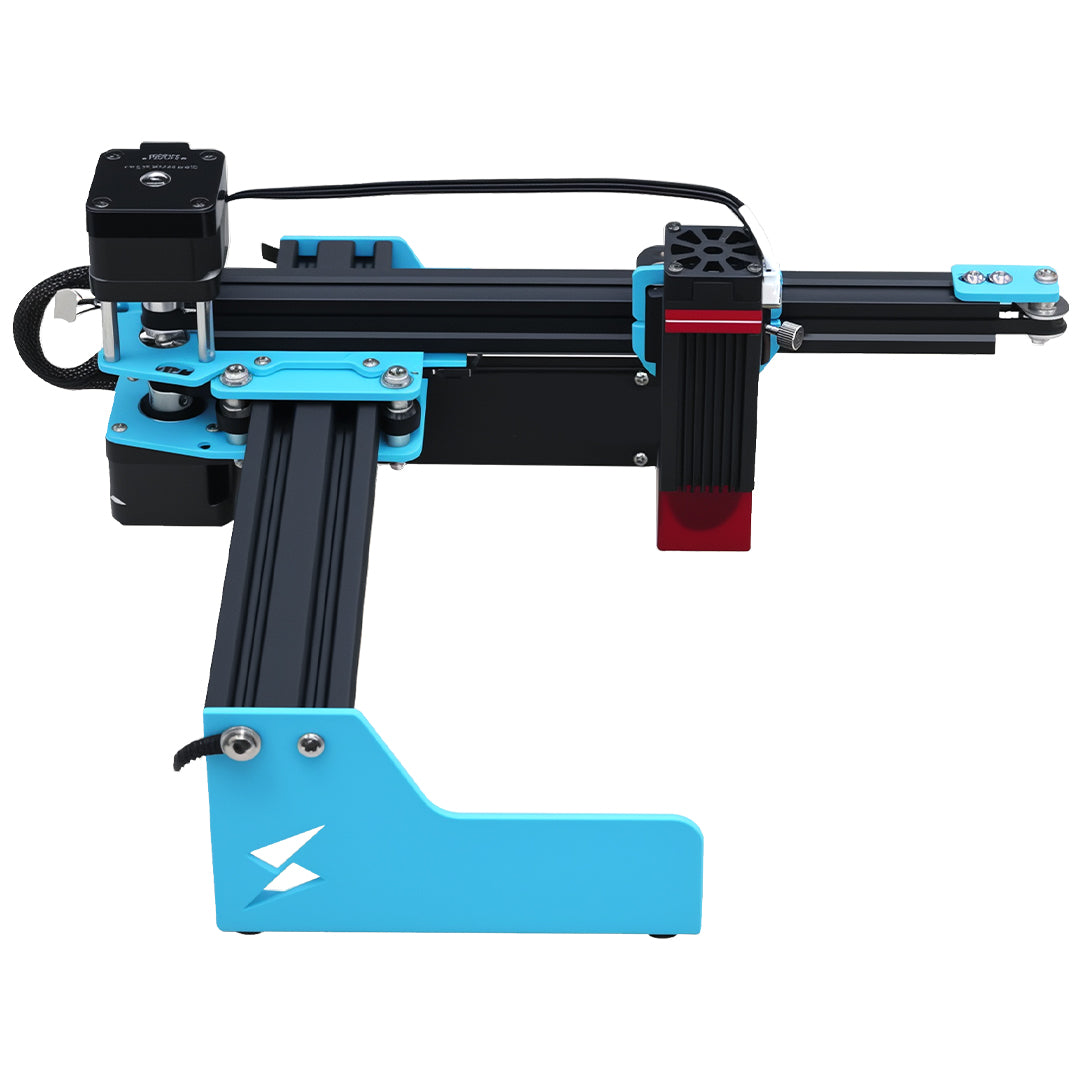
The TYVOK P2 offers a compact blue-diode galvo workflow. File preparation should follow its supported software and the actual module, not instructions copied from a similarly named competitor. Use known suitable blanks, maintain the required laser protection and extraction, and inspect the supervised first mark before producing further names.
Can I edit a name after it becomes a PNG?
You can alter pixels, but the original text object is generally gone. Reopen the editable source, change the wording there, then create a new export. This avoids mismatched letter edges and accidental remnants of the old name.
Should I delete the export when the order is finished?
Keep it with the approved source and sample record if you expect a repeat order. Label it as the output file so someone does not mistake it for the editable version when a customer requests a spelling change.