

Who Checks What at Shift Start? Build a Maintenance Calendar
Assign observations by owner and trigger, while leaving disassembly, optical service, calibration, and replacement to current manufacturer guidance. A calendar must not invent procedures.

Separate observation from service
xTool's current maintenance toolkit separates routine clean, lubricate, and inspect workflows from troubleshooting, supporting a role-based observation calendar (source discussion or guidance).
Assign shift, weekly, and symptom checks
| Frequency/trigger | Operator observation | Escalation |
|---|---|---|
| Shift start | workspace, debris, visible damage, exhaust path | hold abnormal condition |
| After smoky job | residue and capture observation | follow current cleaning guidance |
| Weekly owner review | logs, repeated symptoms, consumables | schedule approved maintenance |
| Service trigger | performance change or damage | manufacturer/support path |
Escalate without inventing procedures
- 1. List only checks the current manual permits the operator to perform safely.
- 2. Name the owner and the evidence field for every observation.
- 3. Power down and cool before any permitted cleaning; do not improvise solvents or optical contact.
- 4. Record completion and unresolved symptoms for the next shift.
A shift-start example
A shift-start card can note visible debris and an obstructed exhaust path without authorizing the operator to open a module. The calendar routes that condition to the approved owner.
X1S Pro maintenance boundaries
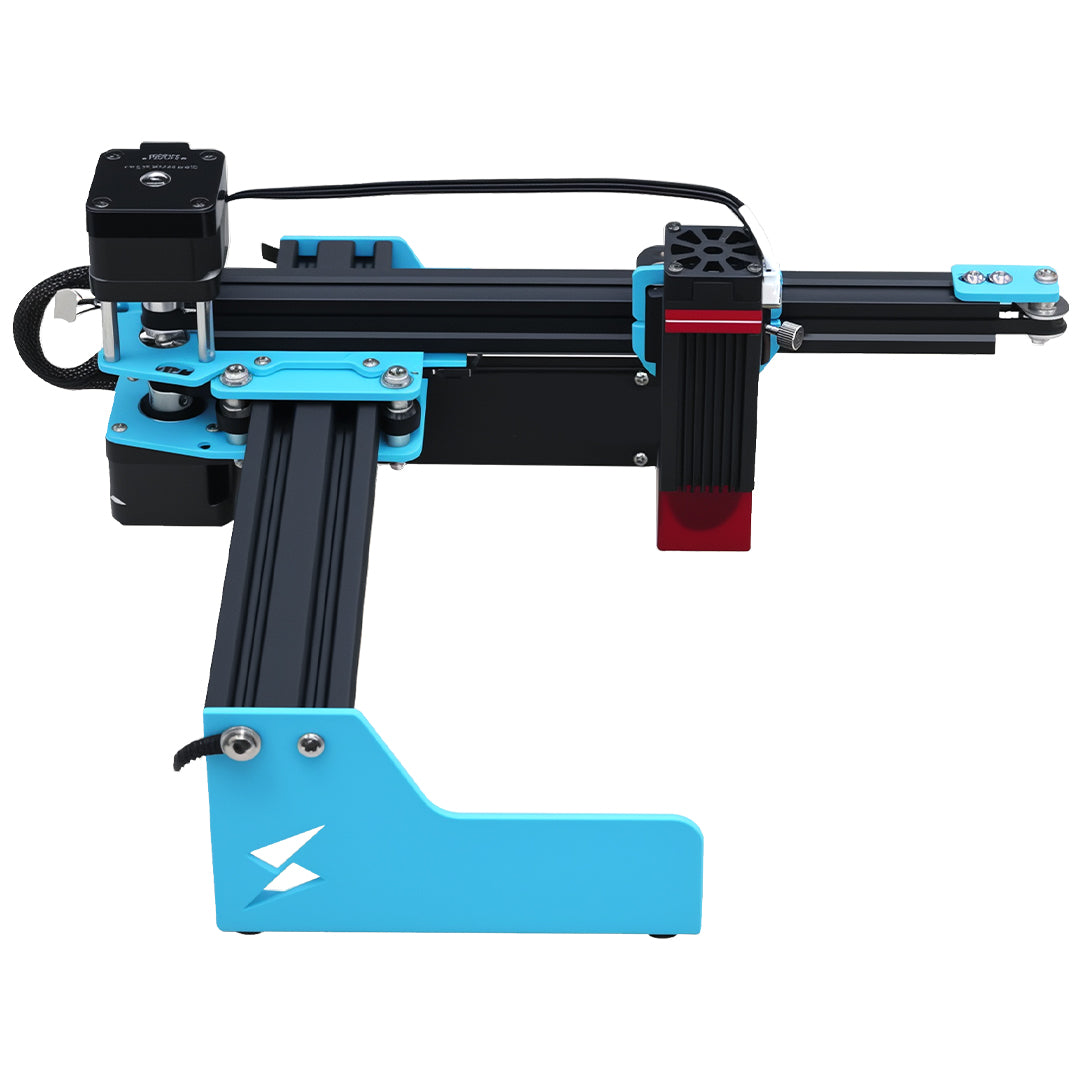
A maintenance calendar assigns visible observations and escalation ownership; it does not replace the current TYVOK manual, support guidance, or manufacturer-directed service. Check the current TYVOK X1S Pro product page before purchase or use.
Operator maintenance questions
Should every shop copy a competitor's interval?
No. Competitor guidance is a demand signal, not a TYVOK procedure. Use the current TYVOK manual and actual operating conditions.
Can an operator clean optics whenever output weakens?
Only as the current manufacturer guidance allows. Preserve evidence and escalate uncertain service.
What makes the calendar useful?
Clear ownership, visible stop conditions, and a record connecting symptoms to approved maintenance.
Airflow and maintenance references
- Supporting TYVOK guide
- Closely related July 30 guide