

What Size Laser Engraver Do I Need? Why Small Format Like Tyvok A1 Mini is Perfect for Most Beginners
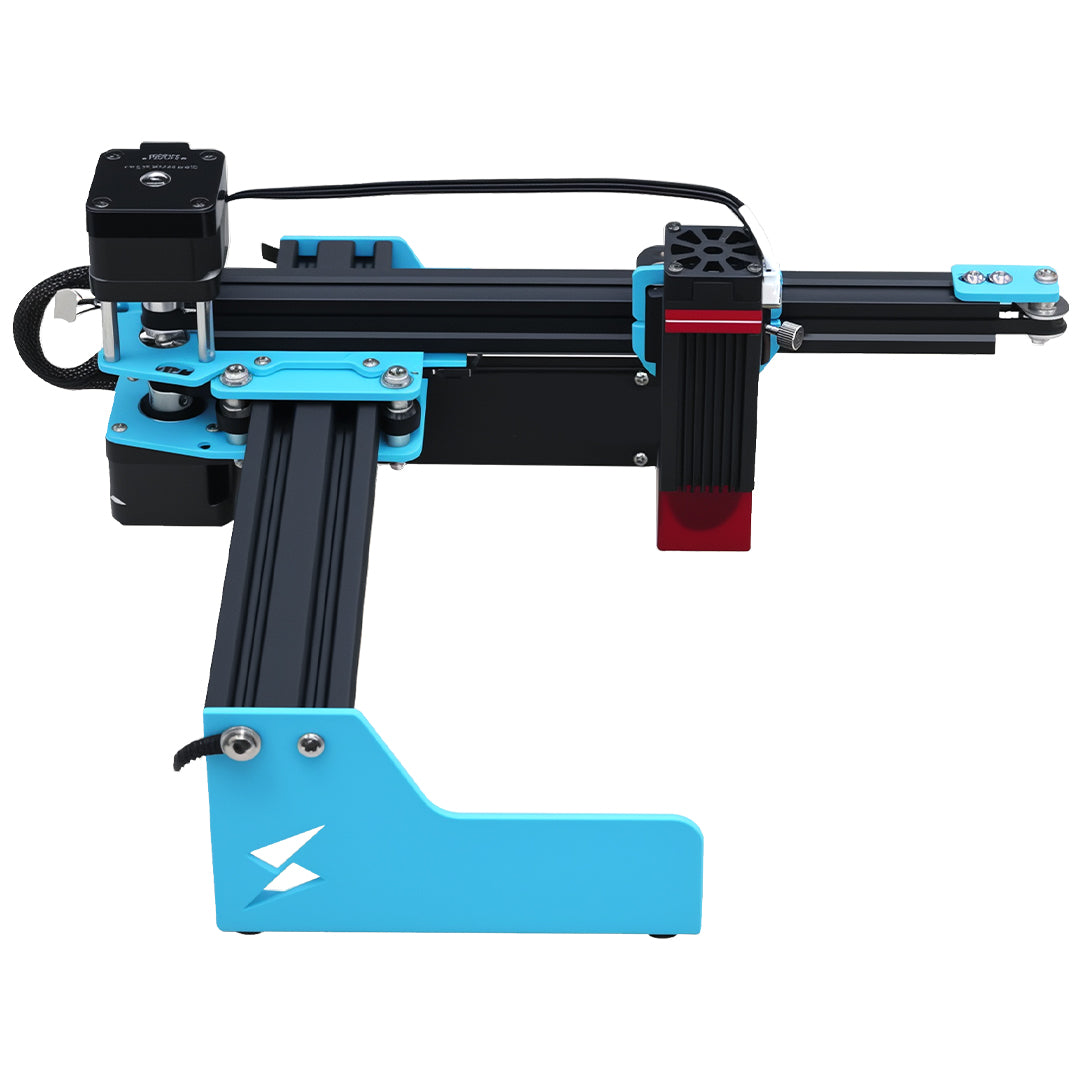
When you're looking for your first laser engraver, one of the biggest questions you'll face is "What size do I need?" Many beginners automatically think they need a big working area – 400mm x 400mm or even larger. But the truth is, for most beginners, a small-format laser like the Tyvok A1 Mini with its 150mm x 150mm working area is actually the perfect choice.
In this article, we'll break down why size isn't everything, what size you actually need for different types of projects, and why starting small with the A1 Mini makes a lot of sense for most beginners.
The Big Working Area Myth
Marketing from bigger laser brands would have you believe that you need a huge working area to do anything useful. They show pictures of big wooden signs and large projects, and make you think that if you don't have a 400mm x 400mm or larger working area, you're missing out.
But here's the truth: Most beginners don't actually need a huge working area. The vast majority of popular laser projects are small anyway – keychains, coasters, jewelry, pet tags, phone cases, wedding favors, small cutting boards. All of these fit perfectly in a 150mm x 150mm working area.
Think about it: when was the last time you saw someone selling hundreds of extra-large wooden signs vs hundreds of small custom items? Most small laser businesses do a lot more small items than large signs. And even if you do occasionally want to do a larger project, you can often do it in multiple passes or piece it together, especially when you're just starting out.
What Projects Fit in 150mm x 150mm?
Let's look at the most popular laser projects and see if they fit in the Tyvok A1 Mini's 150mm x 150mm working area:
✅ Custom keychains – Yes, they're usually 50mm x 30mm, way smaller than 150mm. You can fit multiple keychains in one go.
✅ Pet ID tags – Yes, most pet tags are under 50mm across. Multiple tags fit easily.
✅ Coaster sets – A standard coaster is 100mm x 100mm, so even a 150mm square can fit one coaster perfectly, or four smaller coasters if they're 75mm.
✅ Wedding favors – Almost all wedding favors are small – bottle openers, coasters, place cards, mini boxes. All fit.
✅ Leather goods – Key fobs, wallets, bracelets – all small enough.
✅ Jewelry – Earrings, pendants, necklaces – all way under 150mm.
✅ Custom phone cases – Any standard smartphone fits perfectly in 150mm x 150mm.
✅ Small wooden signs – A 150mm x 150mm sign is actually a nice size for door signs or desk signs.
✅ Personalized cutting boards – Small to medium cutting boards fit, especially the popular small charcuterie boards.
✅ Rubber stamps – Even larger stamps are usually under 100mm, so they fit.
✅ Slate coasters and plaques – Yes, most slate coasters are 100mm square, so they fit.
✅ Photo engravings – Most photo engravings for gifts are under 100mm square.
As you can see, almost all of the most popular laser projects fit perfectly in 150mm x 150mm. You really don't need a bigger working area when you're just starting out.
Why Starting Small Makes Sense
There are actually a lot of good reasons to start with a small-format laser like the Tyvok A1 Mini when you're a beginner:
1. Lower Price
Smaller machines cost less money. When you're just getting started and you're not even sure if you're going to use the machine a lot, it makes sense to spend less money upfront. The A1 Mini gives you everything you need to learn and start making projects for a lot less money than a larger machine.
This lower upfront cost means you can pay for the machine with just a few orders, and you don't have to go into debt to get started. If you decide laser engraving isn't for you (which is unlikely, but it happens), you haven't invested thousands of dollars that you have to get back.
2. Smaller Footprint
A small machine takes up less space in your workshop or home. Not everyone has a dedicated workshop with a lot of extra space. The A1 Mini fits on a decent-sized desk, so you can even set it up in a corner of your bedroom or living room if you need to.
If you live in a small apartment or you don't have a lot of extra space, a big 400mm x 400mm machine just isn't practical. The smaller footprint of the A1 Mini makes it much more accessible for people who don't have a lot of extra space.
3. Faster to Process Small Jobs
When you're doing small projects like keychains and coasters, a smaller machine can actually be faster. You don't have to wait for the gantry to travel all the way across a big working area – it gets in and gets the job done faster.
If you're doing production runs of small items, you can fit multiple items in the 150mm x 150mm area anyway, so you can process them in batches just like you would on a bigger machine.
4. Less Overwhelm for Beginners
When you're new to laser engraving, there's already a lot to learn – software settings, focusing, safety, materials. Starting with a smaller, simpler machine means you don't have to deal with the added complexity of a big machine right away. You can learn the basics on a smaller, more affordable machine, and then upgrade later if you actually need a bigger size.
5. You Can Still Do Larger Projects (Sort Of)
Even if you occasionally want to do something larger than 150mm x 150mm, you can still do it with a small machine – you just have to do it in multiple passes. It's a little more work, but when you're just starting out and you only do it occasionally, it's better than paying a lot more for a bigger machine that you'll rarely use to its full capacity.
For example, if you want to do a 300mm x 300mm sign, you can engrave half of it, then reposition the material and engrave the other half. It takes a little extra time and effort to line everything up correctly, but it's possible. Most beginners don't do that many large projects anyway, so this is a reasonable compromise when you're starting out.
When Do You Actually Need a Larger Working Area?
Don't get us wrong – there are definitely situations where you need a larger working area. We're not saying that bigger machines are never useful. Here are the situations where you actually need more than 150mm x 150mm:
1. You Regularly Do Large Signs
If you're planning to specialize in large wooden signs that are 300mm or bigger, then you need a larger machine. But most beginners don't start out doing a lot of large signs. They start out doing small custom items, and then gradually add larger projects as their business grows.
2. You Need to Cut Large Sheets of Material
If you're cutting out a lot of parts from full-size 300mm x 300mm sheets of material, then a larger working area is more convenient. But again, when you're starting out, you can still cut larger sheets into smaller pieces with other tools (like a saw or a circular saw) before putting them in your small laser.
3. You Have the Budget and the Space
If you have the extra money to spend on a larger machine, and you have the space for it, and you know you're going to use the extra area, then go for it. But most beginners don't have that – they're on a budget, they don't have a lot of space, and they're not even sure what they're going to be making yet.
The Tyvok A1 Mini vs Larger Machines: Price Comparison
Let's look at what you can expect to pay for different sizes:
- Tyvok A1 Mini 10W (150mm x 150mm): A few hundred dollars
- Entry-level 300mm x 300mm 10W: Usually $500-$800
- 400mm x 400mm 10W: $800-$1200+
As you can see, the price goes up significantly as the size goes up. For a beginner, the A1 Mini gives you 10W power (which is what you need for cutting wood) at a price that's much more accessible.
And remember, you're not getting worse quality with the A1 Mini – you're just getting a smaller working area. The laser power is the same 10W, the build quality is still excellent, it works with all the same software, and it will do everything you need for small projects.
What About the Tyvok P2 Galvo?
The Tyvok P2 galvo laser has an even smaller working area at 100mm x 100mm. Is that too small? For what the P2 is designed for – fast engraving of small items like keychains, jewelry, and pet tags – 100mm x 100mm is actually perfect.
Most of the items people use the P2 for are much smaller than 100mm x 100mm, so you can fit multiple items in the working area and let the P2 crank through them while you do something else. The small working area is what keeps the price down, which makes galvo speed accessible to more people.
If you're adding a P2 to your workshop and you already have an A1 Mini for cutting, the smaller working area of the P2 isn't a problem at all. You cut all your shapes on the A1 Mini, then move them to the P2 for engraving, and everything fits perfectly.
Why a Quality Platform Matters More Than Size
Whatever size machine you choose, one upgrade that's always worth it is a quality honeycomb platform. Whether you have the A1 Mini or the P2, a Tyvok engraving platform that's perfectly sized for your machine gives you better ventilation, prevents back burning, and keeps your material flat.
Having a quality platform improves the quality of every project you do, regardless of the size of your working area. It's better to get a smaller machine with a good platform than a larger machine where you skip the platform to save money.
The Growth Path: Starting Small and Scaling Up
One of the nice things about starting with Tyvok is that you can start small and scale up gradually as your business grows:
-
Start with a Tyvok A1 Mini (150mm x 150mm, 10W) – This is perfect for beginners, it's affordable, it does everything you need to get started.
-
Add a Tyvok P2 galvo laser when you need more engraving speed – Once you start getting more orders and engraving becomes the bottleneck, the P2 gives you 20x faster engraving speed for your small items. You still use the A1 Mini for cutting, so you get the best of both worlds.
-
Upgrade to a larger machine later only if you actually need the bigger working area – If after a while you find that you're doing a lot of larger projects and the small working area is holding you back, then you can upgrade to a larger machine. By that time, your business is already making money, so you can reinvest your profits into the bigger machine.
This growth path makes a lot of sense because you're never investing more than you need to at each step. You start small with a low upfront investment, and you only upgrade when your business has outgrown your current machine. This is much less risky than investing thousands of dollars in a big machine when you're just starting out and you don't even know if the business will work.
Common Questions About Small Format Lasers
Q: Will I outgrow a 150mm x 150mm machine quickly?
A: That depends on what you do. Many small laser businesses do most of their work in small items anyway, so they never outgrow a 150mm x 150mm machine. You can always add a second machine like the P2 for faster engraving without needing a bigger working area. If you do end up needing a bigger working area later, you can always upgrade. But most beginners are surprised at how much they can do with 150mm x 150mm.
Q: Can I make money with a small format laser?
A: Absolutely! Most of the profitable laser products people sell are small anyway – keychains, pet tags, coasters, jewelry, wedding favors. All of these fit perfectly in 150mm x 150mm, and the profit margins are just as good as they are for larger products. Many people build successful full-time businesses just doing small items on a small format machine.
Q: Is the smaller working area less accurate?
A: No, actually on a well-built machine like the Tyvok A1 Mini, the accuracy is just as good on a smaller working area as it is on a larger one. The smaller frame can actually be stiffer and more rigid, which can help with accuracy.
Q: What if I want to do larger projects later?
A: Then you can upgrade when the time comes. By that time, you've already learned the ropes, you have customers, and your business is generating income. It's much easier to justify the expense of a larger machine when you already have the orders coming in to pay for it.
Final Thoughts: Don't Let the Quest for Bigger Keep You From Getting Started
So many beginners get stuck in "analysis paralysis" trying to decide what size laser to get. They think they need bigger, so they keep putting off getting started because they can't afford the big machine they think they need.
But the truth is, you don't need a big machine to get started. A small-format machine like the Tyvok A1 Mini with 150mm x 150mm working area can handle 90% of the projects that most beginners do, and it does it at a price that almost anyone can afford.
Starting small doesn't mean you're limiting yourself forever – it just means you're starting where you are, with what you can afford, and you can grow gradually as your skills and your business grow. That's a much smarter approach than dropping thousands of dollars on a big machine when you're still learning.
Whether you're just looking for a hobby to do in your spare time, or you want to start a side hustle selling custom engraved products, the Tyvok A1 Mini gives you everything you need to get started, without the extra cost and extra size you don't need yet.
If you're still on the fence about what size to get, remember: It's better to start making things with a small machine than to wait until you can afford a big machine. You'll learn more by actually doing projects than you ever will just researching sizes and specs.
Ready to get started with a small format laser that's perfect for beginners? Learn more about the Tyvok A1 Mini and pair it with a perfectly sized Tyvok engraving platform for the best results.
Related Reading: What Size Laser Engraver Do I Need? Why Small Format Like Tyvok A1 Mini Is Perfect for Most Beginners in 2026
Related Reading: Why Tyvok A1 Mini Is The Best Entrylevel Laser Engraver For Beginners In 2026
Related Reading: Why Tyvok A1 Mini is the Best Entry-Level Laser Engraver for Beginners in 2026