

Direct Answer
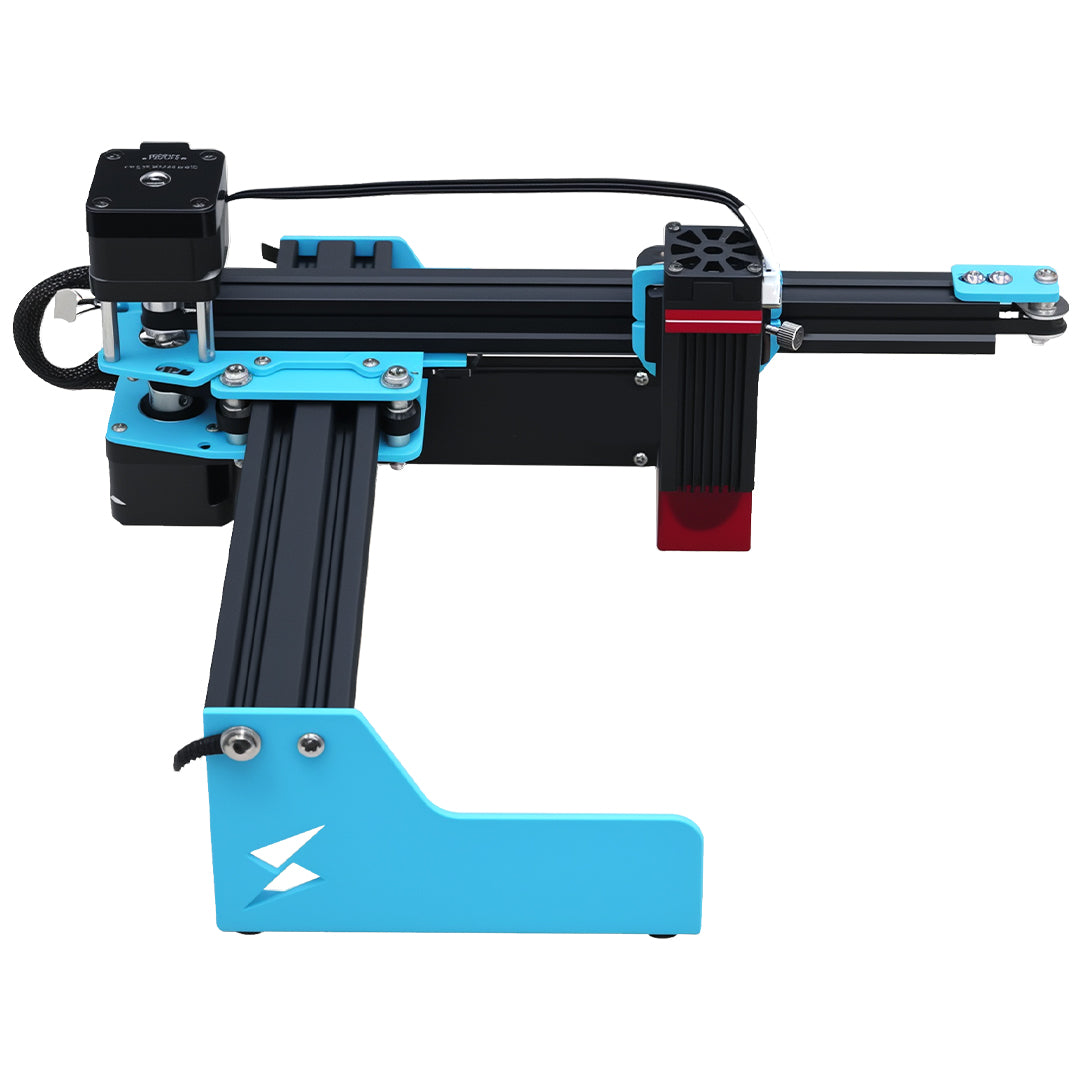
For wood signs, compare 10W, 20W, and 60W power paths as workflow references, then confirm which X1S 2026 options are currently available before buying. Surface engraving depends heavily on material prep, artwork, contrast, and area. Cutting letters or layered decor gives power more importance. For large signs, workspace and alignment planning may matter as much as wattage.
Start with the current TYVOK X1S 2026 product page and use the X1S 2026 launch page to confirm the live offer, bundle, and product positioning before checkout.
Because launch details can change by selected configuration, treat the live X1S 2026 product page as the source of truth for availability, workspace path, and software notes. Use this guide to frame the workflow question, then verify the exact option before planning customer orders around it.
Practical Buying Checklist
- Treat 10W, 20W, and 60W as power-path references, not as a fixed X1S 2026 SKU promise.
- Start with the product: surface engraving, cut letters, layered decor, or mixed workflow.
- Confirm current X1S 2026 options on the live product page before choosing.
- Compare power together with work area, smoke control, focus, and material testing.
- Avoid fixed thickness or speed assumptions unless you have official tests for the exact material.
- Choose enough headroom for the workflow you will repeat, not the largest number alone.
Material and Setup Reality
Power does not replace testing. Wood species, plywood glue, finish, moisture, focus, smoke control, and air assist can all change the result. A power path should be judged with the exact product and material in mind.
Higher power can be useful for demanding workflows, but it also increases the need for disciplined setup, safe material choices, and operator attention. For long signs, workspace and board support may still be the deciding factors.
Before You Quote the Job
Before choosing from any power path, use the live X1S 2026 product page as the source of truth for current configurations. Treat 10W, 20W, and 60W language in this guide as workflow comparison language, not a promise that every power level is available in every X1S 2026 bundle.
A practical quote should separate engraving, cutting, and finishing. Surface engraving may depend more on contrast and artwork. Cut letters may depend more on material thickness, air assist, edge cleanup, and time. Layered signs combine both, so the power decision should follow the finished product.
Power Is a Workflow Choice
New laser buyers often ask the wrong first question: which wattage is best? A better question is: what product do I need to make every week? A 10W, 20W, or 60W path can each make sense when matched to the right workflow.
Connect wattage to real jobs: engraved welcome boards, cut lettering, layered wall art, batch panels, and long signs. That gives buyers a grounded way to compare power paths instead of chasing the biggest number.
Check the live X1S 2026 configuration options here: https://tyvok.com/products/tyvok-spider-x1s-laser-engraver-cutter
When 10W Thinking Makes Sense
A lower-power path can make sense for learning, surface engraving, lighter production expectations, and buyers whose first products are engraved boards rather than cut assemblies. The key is to test the actual wood, finish, and artwork style.
This is not a promise that 10W handles every wood job. It is a way to frame the buyer: if your work is mostly contrast engraving and templates, document your settings before assuming you need more power.
When 20W or 60W Enters the Discussion
Higher power becomes more relevant when cutting, thicker materials, layered decor, or production time become part of the workflow. A seller making cut letters, multi-layer signs, or repeated batches may care more about headroom.
Even then, power does not remove the need for air assist, smoke control, material testing, focus consistency, and finishing. Wood species, plywood glue, coatings, and moisture can change results.
For broader large-format buying context, use https://tyvok.com/blogs/news/large-format-laser-engraver-buying-guide-x1s-x1spro
Power Choice Table
| Power path | Best-fit workflow language | What to verify |
|---|---|---|
| 10W | Surface engraving, learning, lighter sign workflows. | Wood type, contrast, speed, finish, and expected production pace. |
| 20W | More headroom for mixed engraving and cutting-oriented decor. | Material thickness, smoke control, air assist, and edge quality. |
| 60W | More serious cutting or production-minded workflows. | Electrical/safety setup, material behavior, and whether the area also fits the job. |
| Any power | Large signs and long boards. | Workspace, support table, alignment plan, and material tests. |
Do Not Let Power Hide the Area Problem
A powerful compact machine still has a compact work area. If the job is a 48-inch board, a booth header, or a long decor panel, the workspace problem remains. This is why X1S 2026 content should discuss 10W/20W/60W alongside 800 x 800mm and 800 x 2000mm planning.
The best recommendation is a balanced one: choose enough power for the material workflow, enough work area for the finished product, and enough process discipline to repeat the result.
A Safer Buying Process
List the first five products you want to sell. Mark each as surface engraving, cutting, layered assembly, or mixed workflow. Then mark the largest expected size. If the size pushes beyond compact layouts, X1S 2026 belongs in the comparison before wattage is finalized.
After narrowing the workflow, check the current X1S 2026 details before choosing: https://tyvok.com/pages/tyvok-x1s-2026
Next Step
Use this guide to narrow the workflow, then confirm current power/configuration choices on the TYVOK X1S 2026 product page before treating any option as available.
FAQ
Is 60W always better for wood signs?
No. It may be useful for certain cutting or production workflows, but area, material prep, safety, and repeatability still matter.
Can 10W engrave wood signs?
It can be relevant for surface engraving workflows when the exact material tests well, but do not assume every wood or finish behaves the same.
Should I choose power before work area?
For large signs, choose by product size and workflow first, then choose power.
How do I avoid treating wattage as a fixed SKU?
Use wattage as a workflow planning reference, then confirm the current X1S 2026 options on the live product page: https://tyvok.com/products/tyvok-spider-x1s-laser-engraver-cutter
Claim Guardrail
This article does not promise guaranteed material results, guaranteed production output, fixed shipping timing, or compatibility beyond the current public product messaging. Confirm live X1S 2026 details before purchase and test each material before selling finished work.