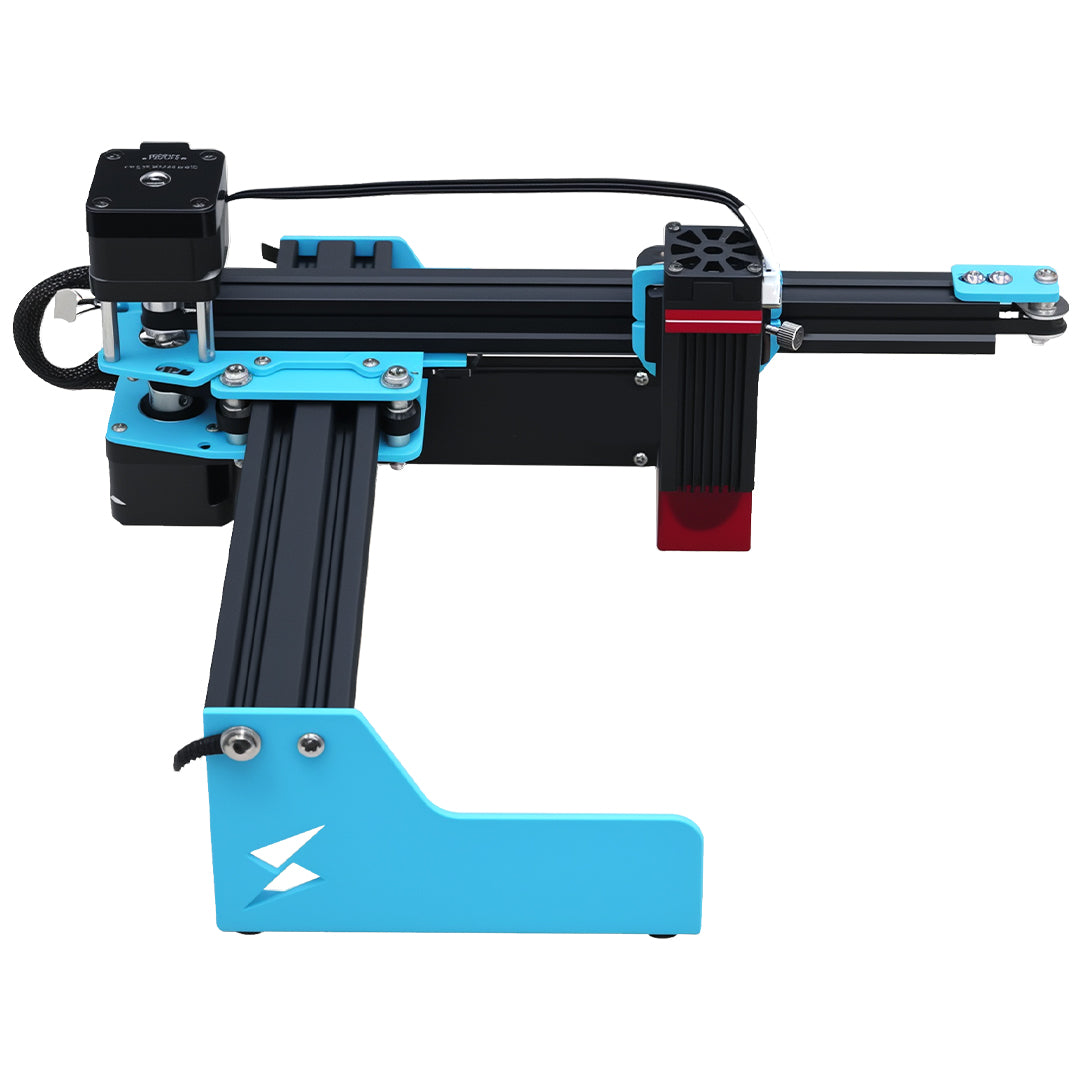


One of the most common questions beginners ask before getting into laser engraving is: "Is laser engraving toxic?" It's a great question, and it's important to understand the safety risks before you start using your machine. The short answer is that laser engraving can produce toxic fumes depending on what material you're working with, but with the right safety precautions, it's completely safe for home use.
🛒 Check out the Tyvok A1 Mini here
In this guide, we'll break down everything you need to know about laser engraving toxicity, fumes, and safety. We'll cover which materials are safe, which materials you should avoid, what safety equipment you need, and how to set up your workspace for safe use. Whether you're using a small entry-level machine like the Tyvok A1 Mini or a production galvo like the Tyvok P2 10W Galvo, these safety guidelines will help you stay safe while you create amazing projects.
🛒 Check out the Tyvok A1 Mini here
What Causes Toxicity in Laser Engraving?
When your laser engraves or cuts a material, it burns or vaporizes the surface of the material. This produces smoke and fumes. The toxicity of these fumes depends entirely on what material you're working with.
🛒 Check out the Tyvok Spider X1S Pro here
Some materials are relatively safe when engraved—they produce smoke that's irritating but not extremely toxic. Other materials produce fumes that are highly toxic or even carcinogenic, and these materials should never be laser engraved or cut indoors.
🛒 Check out the Tyvok Spider X1S Pro here
The key to staying safe is knowing which materials are safe to use and which you should avoid, and having the right ventilation to remove fumes from your workspace even when you're using safe materials.
👉 Learn more about Tyvok P2 10W galvo vs Tyvok A1 Mini here
Which Materials Produce Toxic Fumes?
Here's a list of common materials that produce toxic fumes when laser engraved or cut, and that you should generally avoid:
🛒 Check out the Tyvok Spider X1S Pro here
❌ Materials to Avoid (Highly Toxic):
-
PVC (Polyvinyl Chloride)
-
PVC produces highly toxic chlorine gas when burned. This is extremely dangerous to breathe and can damage your lungs. It can also damage your laser machine because the chlorine gas is corrosive.
🛒 Check out the Tyvok Spider X1S Pro here - Common products that contain PVC: some plastics, vinyl, certain types of faux leather, plumbing pipes. - Vinyl
- Most vinyl contains PVC, which produces toxic chlorine fumes. Avoid laser cutting or engraving vinyl.
🛒 Check out the Tyvok Spider X1S Pro here
-
Polycarbonate
-
Produces toxic fumes including bisphenol A (BPA) and other harmful compounds.
-
ABS Plastic
-
Produces styrene fumes which are considered a possible carcinogen and can cause headaches and respiratory irritation.
-
Teflon (PTFE)
-
Produces toxic perfluorooctanoic acid (PFOA) fumes when heated, which is highly toxic.
-
Fiberglass
-
When burned, fiberglass releases fine silica particles which are dangerous to breathe and can cause lung disease.
-
Coated or Treated Woods
-
Some pressure-treated woods, stained woods, or woods with toxic coatings can produce harmful fumes when burned. Stick to natural unfinished wood.
✅ Generally Safe Materials:
These materials produce fumes that are much less toxic, though you still need ventilation: - Natural woods (unfinished, untreated)
-
Bamboo
-
Cork
-
Leather (real and most faux leathers that don't contain PVC)
-
Acrylic (PMMA) – produces fumes that are irritating but not highly toxic with proper ventilation
-
Anodized aluminum
-
Glass
-
Stone, slate, granite
-
Ceramic and porcelain
-
Paper and cardstock
-
Cotton fabric
-
Rubber (natural rubber, not synthetic with additives)
-
Delrin (Acetal) when cut with proper ventilation
[👉 Learn more about What is Delrin (Acetal) and Can You Laser Cut It? best galvo laser engraver here
Always check what your material is made of before you engrave it. If you're not sure, look up the material's safety information before you put it in your laser. If you have any doubts, it's better to be safe and avoid it.
[👉 Learn more about What is MDF and Is It Safe for Laser Engraving? best galvo laser engraver here
Is Laser Engraving Safe Indoors?
Laser engraving can be safe indoors if you have proper ventilation and you only use safe materials. If you don't have proper ventilation, even fumes from "safe" materials can build up in your workspace and cause respiratory irritation, headaches, or other health issues.
🛒 Check out the Tyvok Spider X1S Pro here
The key is adequate ventilation. You need to pull the fumes away from the laser and vent them outside of your living space. Even with a small machine like the Tyvok A1 Mini, you still need ventilation—it doesn't matter how small your machine is, it still produces fumes when it engraves.
🛒 Check out the Tyvok A1 Mini here
What About Small Apartments?
You can safely use a laser engraver in a small apartment as long as you have proper ventilation. There are compact venting solutions that work even in small spaces. The most common approach is to vent the fumes out a window. Even with a portable machine that you put away when you're done using it, you can still set up a temporary venting solution for when you're using it.
🛒 Check out the Tyvok A1 Mini here
What Safety Equipment Do You Need?
To stay safe when doing laser engraving, you need a few key pieces of safety equipment:
🛒 Check out the TyvokStudio Laser Software here
1. Ventilation / Exhaust System
This is the most important piece of safety equipment you need. Your ventilation system pulls the fumes and smoke away from the laser and vents them outside.
[👉 Learn more about What is MDF and Is It Safe for Laser Engraving? best galvo laser engraver here
- For small entry-level machines like the Tyvok A1 Mini , a relatively small exhaust fan connected to a duct that goes out a window is sufficient.
🛒 Check out the Tyvok A1 Mini here
- You don't need an expensive built-in exhaust system for a small machine—there are many affordable portable solutions that work great.
- The key is that it needs to actually remove the fumes from your work area and vent them outside. Recirculating fumes through a filter inside your house is better than nothing, but venting outside is always safer.
2. Laser Safety Glasses
You always need to wear laser safety glasses that are rated for the wavelength of your laser when the laser is firing. Even a stray reflection from the laser can damage your eyes permanently.
[👉 Learn more about What is MDF and Is It Safe for Laser Engraving? best galvo laser engraver here
- For blue diode lasers like the ones in the Tyvok A1 Mini and Tyvok P2 10W Galvo , you need safety glasses that block the 450nm wavelength.
🛒 Check out the Tyvok A1 Mini here
- Never operate your laser without wearing your safety glasses, even if the machine has a lid. Accidents can happen.
[👉 Learn more about What is MDF and Is It Safe for Laser Engraving? best galvo laser engraver here
- Keep your glasses on whenever the laser is on—better safe than sorry.
[👉 Learn more about What is MDF and Is It Safe for Laser Engraving? best galvo laser engraver here
3. Fire Extinguisher
It's a good idea to keep a small fire extinguisher nearby when you're using your laser. While fires are rare, they can happen if you leave your machine unattended and something catches fire. A small Class C fire extinguisher is all you need.
Never leave your laser unattended while it's running, especially when cutting. If something does start to burn, turn off the machine and put out the fire immediately.
🛒 Check out the Tyvok K1 CO₂ Laser here
4. Respirator Mask (Optional But Recommended)
If you're doing a lot of cutting that produces a lot of smoke, or if you're working with materials that you know produce more irritating fumes, wearing a respirator mask (like an N95 or better) adds an extra layer of protection. It's not a replacement for ventilation, but it's good extra protection.
Common Safety Myths Debunked
There's a lot of misinformation out there about laser engraving safety. Let's debunk some of the most common myths:
🛒 Check out the TyvokStudio Laser Software here
Myth 1: "Small machines like the Tyvok A1 Mini don't produce enough fumes to be dangerous"
Fact: Any laser engraving produces fumes, regardless of the size of the machine. Even a small 5W laser produces enough smoke that you need ventilation. It doesn't matter how small your machine is—you still need to remove the fumes from your workspace.
🛒 Check out the Tyvok Spider X1S Pro here
Myth 2: "If it doesn't smell bad, it's not toxic"
Fact: Some toxic fumes are odorless. You can't rely on your nose to tell you if fumes are safe. Even if you don't smell anything, there can still be fine particles or gases in the air that you don't want to breathe. Always use ventilation regardless of whether the fumes smell bad.
Myth 3: "Opening a window is enough ventilation"
Fact: Just opening a window isn't enough. You need active ventilation that pulls the fumes directly from the laser and pushes them out. Without a fan pulling the fumes out, they'll still circulate around your room before they go out the window. Active exhaust is much more effective.
👉 Learn more about How to Start a Laser Engraving Business with Under $200 here
Myth 4: "Only CO2 lasers produce toxic fumes"
Fact: The toxicity of the fumes depends on the material you're engraving, not the type of laser. A diode laser like the Tyvok A1 Mini produces the same fumes from a given material as a CO2 laser would. The safety rules are the same regardless of what type of laser you have.
🛒 Check out the Tyvok A1 Mini here
Myth 5: "I've been doing it without ventilation for years and I'm fine"
Fact: Some of the health risks from repeated exposure to toxic fumes are cumulative. They build up over time. Just because you haven't gotten sick yet doesn't mean it's safe. It's always better to be safe and use proper ventilation from the start.
Ventilation Options for Home Users
If you're a home user with a small to medium laser like the Tyvok A1 Mini, what are your ventilation options? Here are the most common solutions:
🛒 Check out the Tyvok A1 Mini here
1. Window Venting (Most Common)
This is the most popular solution for home users. You run a flexible duct from your laser's exhaust fan out a window. You can make a simple adapter for your window using cardboard or plywood to fill the gap around the duct. This is affordable, effective, and works great for most home users.
🛒 Check out the Tyvok Spider X1S Pro here
2. Portable Exhaust Fan
If you don't have a built-in fan on your laser, you can use a portable inline exhaust fan to pull the fumes out. This is affordable and works well for small machines.
🛒 Check out the Tyvok P2 10W Galvo here
3. Fume Extractor
If you can't vent out a window (for example, if you're in a basement with no window nearby), a fume extractor with activated charcoal filters is an alternative. It filters the fumes and recirculates clean air back into your room. Good fume extractors do a pretty good job, but they're more expensive than venting outside, and you have to replace the filters periodically.
Venting outside is always better if you can do it, but a fume extractor is better than nothing.
Safety Tips for Beginners
Here are some important safety tips that every beginner should follow:
1. Always Ventilate
No matter what material you're engraving, no matter how small your machine is—always use ventilation. It's the most important safety precaution you can take.
[👉 Learn more about What is MDF and Is It Safe for Laser Engraving? best galvo laser engraver here
2. Know Your Materials
Always check what material you're about to engrave. Make sure it's safe to laser engrave. If you're not sure, don't engrave it until you find out. Avoid any materials that are known to produce toxic fumes.
🛒 Check out the Tyvok Spider X1S Pro here
3. Wear Your Safety Glasses
Never operate the laser without wearing your laser safety glasses. Your eyes are precious—protect them.
🛒 Check out the Tyvok Spider X1S Pro here
4. Don't Leave Your Machine Unattended
Never leave your laser running unattended, especially when cutting. If a fire starts, you need to be there to put it out quickly.
🛒 Check out the Tyvok K1 CO₂ Laser here
5. Keep Your Work Area Clean
Keep your work area clean and free of combustible materials. Don't have piles of paper or scrap wood near your machine while it's running.
6. Work in a Well-ventilated Room Even With Exhaust
Even with your exhaust working, it's good to have the room you're working in well-ventilated. An open window or door provides extra air exchange.
7. If You Smoke a Lot, Take a Break
If you're doing a big cutting job that produces a lot of smoke, step out of the room for a few minutes after the job is done to let the exhaust clear out any remaining fumes.
What About the Tyvok A1 Mini and Tyvok P2 ? Are They Safe?
Both the Tyvok A1 Mini and Tyvok P2 10W Galvo are completely safe for home use when you follow basic safety precautions. They're designed with safety in mind, and as long as you use proper ventilation, wear your safety glasses, and only engrave safe materials, you'll be fine.
🛒 Check out the Tyvok A1 Mini here
The small size of the Tyvok A1 Mini doesn't make it any less safe than larger machines—you just need correspondingly smaller ventilation, which is easy to set up. Even though it's affordable and entry-level, it still has all the basic safety features you need.
🛒 Check out the Tyvok A1 Mini here
Frequently Asked Questions
Q: Is laser engraving cancerous?
A: Laser engraving itself isn't cancerous. But some materials produce carcinogenic fumes when they're laser engraved. If you avoid those materials and use proper ventilation, your risk is extremely low. The key is knowing which materials to avoid and having good ventilation.
🛒 Check out the Tyvok Spider X1S Pro here
Q: Do I need ventilation for laser engraving?
A: Yes, always. Even small machines produce fumes that you don't want to breathe. Ventilation is non-negotiable for safe laser engraving.
🛒 Check out the Tyvok Spider X1S Pro here
Q: What is the safest material for laser engraving?
A: Natural unfinished wood is one of the safest materials for laser engraving. It produces smoke that's relatively non-toxic compared to many plastics, and it's what most beginners start with. Bamboo, cork, and glass are also very safe.
🛒 Check out the Tyvok A1 Mini here
Q: Can I use a laser engraver in my house?
A: Yes, you can safely use a laser engraver in your house if you have proper ventilation and you follow safety guidelines. Many people successfully run laser engraving businesses from their homes.
🛒 Check out the Tyvok A1 Mini here
Q: Is wood laser engraving toxic?
A: Natural unfinished wood produces smoke that's irritating but not highly toxic. With proper ventilation, it's completely safe. The key is that it has to be unfinished—pressure-treated or stained wood can produce toxic fumes.
[👉 Learn more about What is MDF and Is It Safe for Laser Engraving? best galvo laser engraver here
Q: Do I need a respirator for laser engraving?
A: A respirator is optional but recommended if you're doing a lot of cutting or working with materials that produce more fumes. It's an extra layer of protection on top of ventilation. You don't necessarily need it for occasional engraving if you have good ventilation, but it doesn't hurt.
👉 Learn more about Laser Cutting and Engraving Plywood here
Conclusion
So to answer the question: is laser engraving toxic? It can be if you use the wrong materials or don't take proper safety precautions. But when done correctly, with the right materials and proper ventilation, laser engraving is completely safe for home use.
🛒 Check out the Tyvok Spider X1S Pro here
The most important things you can do to stay safe are: 1. Avoid materials that are known to produce highly toxic fumes (especially PVC and vinyl) 2. Always use proper ventilation that vents fumes outside your living space 3. Wear laser safety glasses rated for your laser's wavelength
[👉 Learn more about What is MDF and Is It Safe for Laser Engraving? best galvo laser engraver here
- Never leave your machine unattended while it's running
Whether you're using a small entry-level machine like the Tyvok A1 Mini to get started or a production galvo like the Tyvok P2 10W Galvo for your business, following these simple safety rules will allow you to enjoy creating amazing laser engraved projects while keeping yourself safe.
🛒 Check out the Tyvok A1 Mini here
Ready to get started with laser engraving? The Tyvok A1 Mini is the perfect entry-level machine for beginners, with safety features built in and an affordable price. Check it out today and start creating.