

Laser Engraving Cork: Applications, Settings, and Tips for Beginners 2026
Meta Description: Discover everything you need to know about laser engraving cork, including recommended settings, project ideas, and tips for getting great results in 2026.
Introduction
Cork is a unique, natural material that's become increasingly popular for laser engraved projects, from coasters and jewelry to wall art and wedding favors. If you're new to laser engraving, you might be surprised how well cork works with a diode laser – it's forgiving, produces beautiful results, and is perfect for beginners.
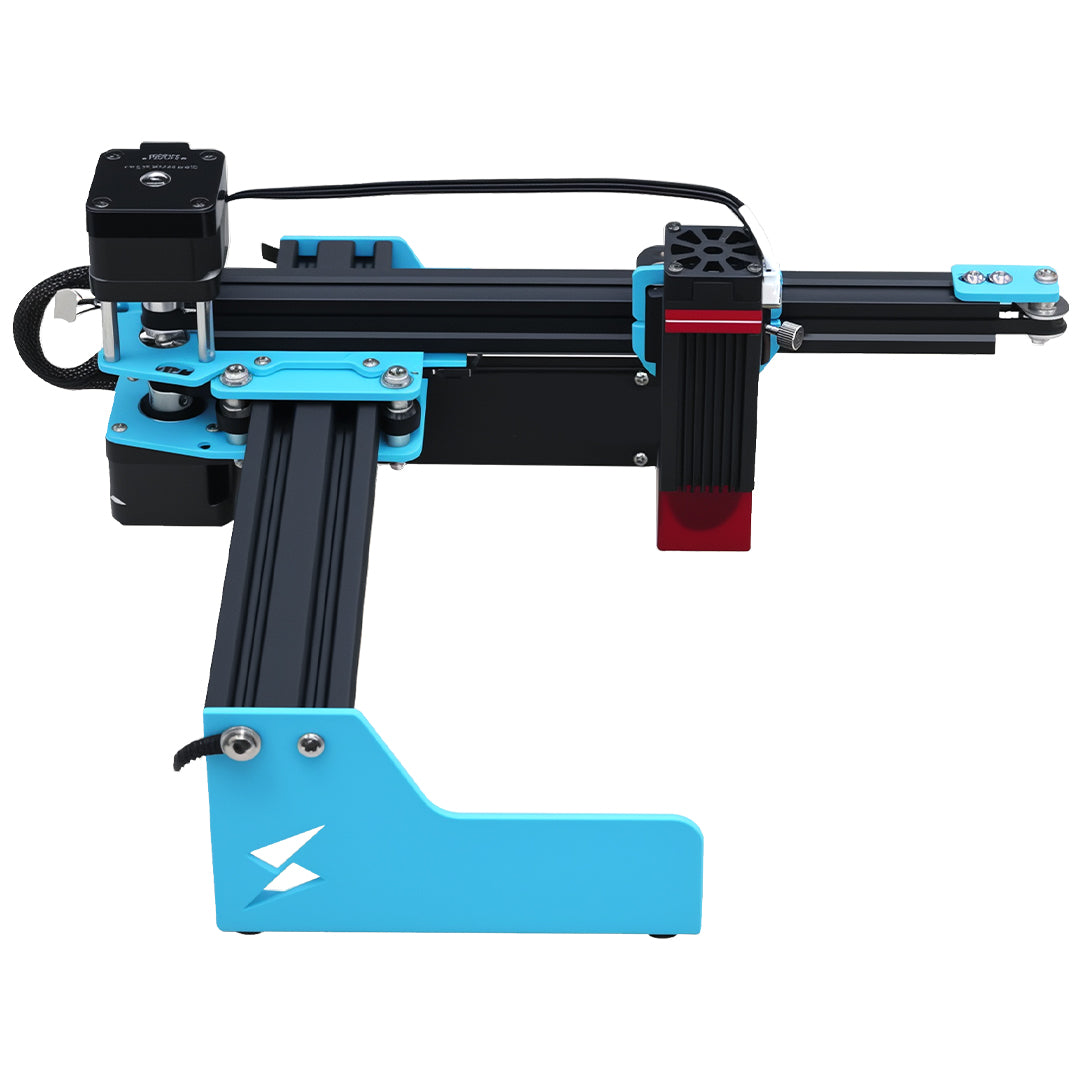
The Tyvok A1 Mini 10W diode laser handles cork engraving beautifully, giving you crisp, detailed results even at lower power settings. If you're looking for a portable galvo laser that can handle faster engraving speeds for production work, the Tyvok P2 is also an excellent choice that works very well with cork.
Cork has a warm, natural feel that's perfect for organic, eco-friendly projects, and it's incredibly lightweight, making it ideal for things like earrings and pendant jewelry. It also reacts really well to laser engraving – the contrast between the engraved and unengraved areas is excellent, and you don't need a high-power laser to get great results.
In this guide, we'll cover everything beginners need to know about laser engraving cork, including what cork is, why it's great for laser work, recommended settings, popular project ideas, and tips for getting perfect results every time.
What is Cork and Where Does It Come From?
Cork is a natural material harvested from the bark of cork oak trees, primarily grown in the Mediterranean region (Portugal, Spain, Italy). The amazing thing about cork is that you can harvest the bark without cutting down the tree – the bark grows back, and it can be harvested again every 9-12 years. This makes cork one of the most sustainable natural materials available.
Key characteristics of cork:
- Lightweight and buoyant
- Naturally porous with a unique cellular structure
- Soft and flexible but durable
- Naturally fire-resistant
- Hypoallergenic
- Excellent thermal insulation
- Anti-microbial properties
- Renewable and biodegradable
For laser projects, cork is available in:
- Sheets of various thicknesses (from 1/32" up to 1/4" or more)
- Pre-cut blanks (coasters, trivets, jewelry shapes)
- Natural cork rounds (from the original bottle stopper shape to larger discs)
Why Cork is Great for Laser Engraving
Cork has several properties that make it perfect for laser engraving, especially for beginners:
1. Low Power Requirements
You don't need a high-power laser to get great results on cork. Even a 5W diode laser can easily engrave cork, and a 10W diode can handle cutting cork up to 1/4" thick easily. This makes it perfect for entry-level lasers.
2. Excellent Contrast
When you engrave cork, the laser burns the surface to create a dark brown or almost black engraving against the lighter natural cork background. The contrast is excellent, and even fine details come through clearly.
3. Very Forgiving
Cork is one of the most forgiving materials you can work with as a beginner. If your settings are a little off, you'll still get a good result. It's much harder to completely ruin a cork project than it is with materials like acrylic or glass.
4. Sustainable and Eco-Friendly
Since cork is harvested without killing the tree and is fully biodegradable, it's one of the most eco-friendly materials you can use for laser projects. If you're targeting customers who care about sustainability, cork is a great choice.
5. Versatile
Cork works for everything from thin jewelry to thick coasters and trivets. It's lightweight, so even large pieces don't weigh much, which is great for shipping.
6. Unique Natural Texture
Every piece of cork has a slightly different natural texture and grain, which means every laser project is unique. Customers love this natural variation.
Recommended Laser Settings for Cork
Settings depend on your laser power and the thickness of your cork. Here are our recommended settings for common diode lasers:
Engraving Settings:
10W Diode Laser (actual output):
- Power: 20-40%
- Speed: 200-300 mm/s
- DPI: 300-500
- Passes: 1 pass
5W Diode Laser (actual output):
- Power: 30-50%
- Speed: 150-250 mm/s
- DPI: 300
- Passes: 1 pass
Cutting Settings:
1/32" to 1/16" (0.8mm to 1.6mm) cork (good for jewelry):
- 10W diode: Power 50-70%, Speed 100-150 mm/s, 1-2 passes
- 5W diode: Power 70-90%, Speed 60-100 mm/s, 2-3 passes
1/8" (3mm) cork (good for coasters):
- 10W diode: Power 70-80%, Speed 50-80 mm/s, 2-3 passes
- 5W diode: Power 80-100%, Speed 30-50 mm/s, 4-5 passes
1/4" (6mm) cork (good for trivets):
- 10W diode: Power 80-100%, Speed 30-40 mm/s, 3-4 passes
- 5W diode: Cutting 1/4" cork with 5W is possible but slow – 5-6 passes at 100% power
Important Note: Always test on a scrap piece of the same cork first. Natural cork can vary in density and moisture content from piece to piece, so settings that work for one might need adjustment for another.
Tips for Getting Great Results with Cork
Follow these tips to get the best possible results when laser engraving cork:
1. Choose the Right Type of Cork
Not all cork is the same – for laser work:
- Avoid treated cork: Some cork has a waterproof coating or sealant that can release fumes when lasered. Stick to natural untreated cork.
- Look for uniform thickness: Especially when cutting, uniform thickness ensures cleaner through-cuts.
- For jewelry: Thin cork sheets (1/32" to 1/16") are perfect – they're lightweight and cut easily.
2. Clean the Surface Before Engraving
Natural cork can have some loose dust or cork particles on the surface from manufacturing. Wipe it down with a clean, dry cloth or a soft brush to remove loose particles before putting it in your laser.
3. Use Air Assist
Air assist helps blow away smoke and fine cork dust, reducing charring on the surface and giving you cleaner, crisper engravings. If your laser has air assist, use it – it makes a noticeable difference with cork.
4. Don't Use Too Much Power
One of the most common beginner mistakes with cork is using too much power. You can get excellent contrast with relatively low power. Too much power just causes excessive charring and can even burn all the way through thin cork accidentally.
5. Dealing with Smoke Residue
Even with air assist, cork can develop some light smoke residue on the surface after engraving. This is easy to remove:
- For light residue: Just wipe with a dry cloth or soft brush
- For heavier residue: Use a slightly damp cloth and wipe gently – don't soak the cork, since it absorbs water
- Let the cork air dry completely if you use water
6. Masking Tape for Cleaner Cuts
When cutting cork, applying low-tack masking tape to both sides can help reduce charring on the cut edges and keep the surface cleaner. Just peel off the tape after cutting.
7. Finishing Cork Projects
Cork looks great unfinished with its natural look, but you can finish it if you want:
- Natural finish: Leave it unfinished – that's the beauty of cork
- Clear sealant: A thin coat of clear acrylic sealer can protect the surface and add a slight sheen if you want it
- Beeswax: A natural beeswax finish gives a subtle sheen and enhances the natural texture
- Don't over-finish: Too much finish can fill in the fine details of your engraving – test on scrap first
8. Storage
Cork absorbs moisture from the air, so store your cork sheets and finished projects in a cool, dry place. Avoid storing them somewhere humid, which can cause them to warp or develop mold.
Popular Cork Project Ideas for Laser Engraving
Cork is incredibly versatile, and it's perfect for all kinds of projects. Here are some of the most popular:
1. Coasters
This is probably the most popular cork laser project. Pre-cut cork coasters are readily available, and they're perfect for practicing your engraving. Custom engraved coasters make great gifts and sell well at craft fairs.
2. Jewelry
Thin cork sheets are perfect for laser-cut earrings, pendants, and necklaces. Cork is super lightweight, so cork jewelry is comfortable to wear. You can even layer cork with leather or wood for unique looks.
3. Trivets and Hot Pads
Thick cork is naturally heat-resistant, making it perfect for trivets and hot pads. Add a custom engraved design to make them personalized and unique.
4. Wedding Favors
Custom engraved cork coasters or wine stoppers are popular eco-friendly wedding favors that guests actually appreciate.
5. Wine Stoppers
Natural cork wine stoppers can be engraved with names, dates, or logos – perfect for gifting or wedding favors.
6. Wall Art
Cork sheets can be cut and engraved to create unique wall art. Cork also works great as a backing for pushpin maps or bulletin boards.
7. Keychains
Custom engraved cork keychains are lightweight and inexpensive to make. They're great for adding to gift orders or selling as impulse buys.
8. Gaskets and Seals
For the workshop crowd, laser cutting cork is perfect for making custom gaskets and seals – better than buying pre-made when you need an unusual size or shape.
9. Inlays
Cork's contrasting color and soft texture make it perfect for inlays in wood projects like cutting boards or boxes.
10. Yoga Block Stamps
Thick cork yoga blocks can be custom engraved with logos or designs for yoga studios.
Pros and Cons of Laser Engraving Cork
Pros:
- Very forgiving for beginners
- Works great with low-power diode lasers
- Excellent contrast for engravings
- Sustainable and eco-friendly
- Lightweight, which reduces shipping costs
- Unique natural texture
- Naturally heat-resistant – perfect for coasters and trivets
- Hypoallergenic and anti-microbial
- Affordable and readily available
Cons:
- Natural cork can vary in density and thickness
- Porous – absorbs moisture easily, so not good for items that get wet frequently
- Smoke residue can be more noticeable than with some other materials
- Very thick cork (over 1/4") is slow to cut with lower power lasers
- Soft material can be easily dented or scratched if not handled carefully
Cork vs Other Popular Laser Materials
How does cork compare to other materials beginners commonly use?
Cork vs Bamboo:
- Cork is softer and more lightweight than bamboo
- Cork is more sustainable (harvested without cutting trees)
- Bamboo is more durable for functional items like cutting boards
- Cork has a more unique natural texture
Cork vs Leather:
- Cork is vegan and more sustainable than most leather
- Cork is generally cheaper than genuine leather
- Cork is more lightweight than leather
- Leather holds up better to heavy daily use for things like belts
Cork vs MDF:
- Cork is natural with no toxic adhesives, so safer for frequent cutting
- Cork has a much nicer natural look and texture
- MDF is cheaper for large sheets
- MDF is more rigid than cork
Safety Considerations
Laser engraving cork is generally very safe, but follow these basic guidelines:
- Ventilation: Cork produces smoke when engraved, just like any other organic material. Make sure you have good ventilation or fume extraction in your work area.
- Avoid treated cork: Some cork has chemical treatments or sealers that can release toxic fumes when lasered. Stick to natural untreated cork.
- Fire safety: Cork is flammable, just like any other wood product. Never leave your laser unattended when cutting cork, especially thick cork.
Common Beginner Mistakes to Avoid
- Using too much power: You really don't need much power to engrave cork. Start low – you can always increase power if you need darker engraving.
- Not removing loose particles: Loose cork dust on the surface can cause uneven engraving. A quick wipe with a cloth takes 5 seconds and makes a big difference.
- Cutting thick cork in one pass: For thicker cork, multiple passes work better than one high-power pass. It reduces charring and fire risk.
- Getting cork too wet when cleaning: Cork absorbs water really easily. If you need to use a damp cloth, just use slightly damp – don't soak it.
- Not testing first: Natural cork varies from piece to piece. Always do a small test before engraving your final project.
Final Thoughts
Cork is a fantastic material for beginner laser engravers. It's forgiving, works great with lower-power diode lasers, produces beautiful high-contrast results, and is one of the most sustainable materials you can use. Whether you're just practicing or creating finished products to sell or give as gifts, cork is hard to beat.
The combination of natural texture, light weight, versatility, and eco-friendliness makes cork perfect for everything from jewelry to coasters to wall art. And because it's so forgiving, it's the perfect material to build your confidence as you learn your laser.
Ready to start engraving cork? The Tyvok A1 Mini 10W diode laser has more than enough power to handle both engraving and cutting cork up to 1/4" thick, making it perfect for beginners. If you're looking for a portable galvo laser that can handle fast cork engraving for production, check out the Tyvok P2.
For more information on getting started with different materials, check out our Beginner's Guide to Choosing Materials for Tyvok A1 Mini to explore more beginner-friendly materials.