

Black anodized aluminum is a popular blank because the mark can contrast with a dark coating. The search question is often more specific than “what settings?”: will a tiny logo, line of contact details or part ID remain readable after handling, cleaning and a new supply lot? A laser may change or remove the anodized layer; the resulting color is determined by the actual finish and process. Plan the finished product first, then qualify TYVOK P2 Ultra on that exact blank.

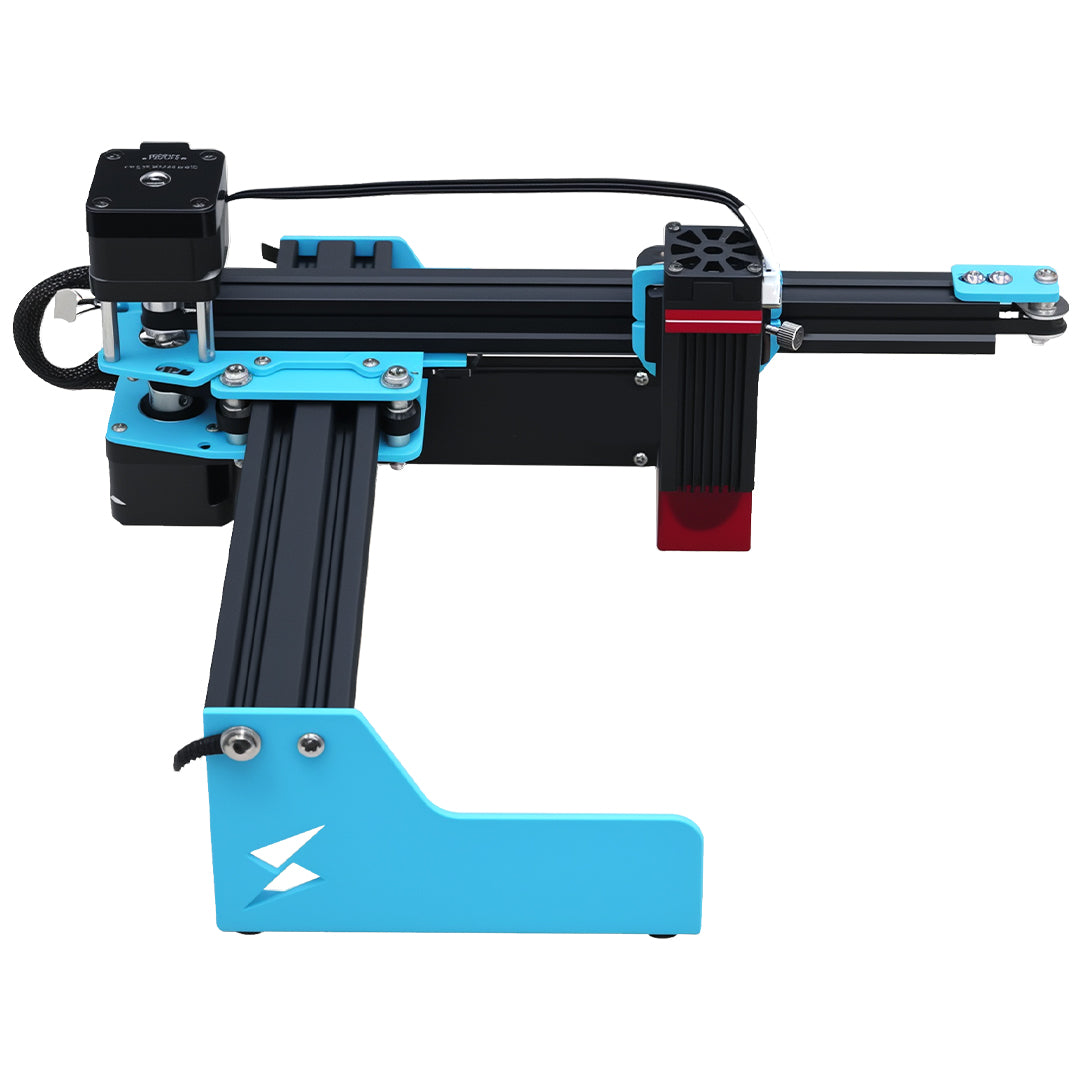
Official P2 Ultra image. Contrast shown in a product photograph cannot qualify a separate anodized batch.
Define a readability target before testing
Set the final mark size in physical units. A design that looks sharp at 400% on a monitor can disappear at the distance a user reads a nameplate. Print the art at actual size for a quick check, then decide the smallest allowed text and line width. Use the final typeface, not a temporary test font. For serial or asset identifiers, agree whether visual reading alone is enough or whether a barcode must be scanned.
Ask the blank supplier for finish information and order spare pieces from the same batch. Black anodizing varies in dye, sealing, texture and gloss. An example made on another supplier's card does not prove the new tag will show the same light mark. Record the untouched blank under diffuse and angled light so the after photo has a fair reference.
Test the design, not only a square
The P2 Ultra product page lists a 1064 nm, 20W fiber source and a 150 × 150 mm field. Its official material settings guidance can seed a first grid, but do not publish a universal number for “black aluminum.” Put a small block, the thinnest logo stroke, the smallest text, and any code on one sample coupon. Change one variable at a time and label the test. A filled block may look striking while the thin letters remain broken.
Check whether the mark is continuous at letter joins and whether small counters in letters such as e, a and 8 remain open. Look for a pale halo, residue at the edges and scratches caused by handling. Do a consistent wipe test on a spare sample. If the mark is going into a case, install it and view it from the customer's normal angle; overhead light can wash out the contrast that looked strong under a desk lamp.
| Failure you see | Likely next check | Avoid assuming |
|---|---|---|
| Tiny text fills in | Font weight and actual size | More power will improve detail |
| Patchy contrast | Coating lot and focus | One test applies to every supplier |
| Halo around logo | Energy, density and cleanup | A photo crop tells the whole story |
| Code scans only close up | Module size and lighting | One phone scan proves release quality |
Turn an approved test into a repeat order
Save a photo of the accepted sample beside the artwork revision, blank supplier, lot, focus and settings. Fix the tag orientation with a simple edge stop. Use the red-light preview to check the bounding area before each first piece. After laser operation, inspect the smallest text, clean the part the same way every time and compare it with the approved sample. Put a supplier-lot change on the requalification list, even when the new blanks are advertised as the same color.
For customer orders, show a real marked sample or a clearly labeled proof before a large batch. Include the legibility test in your quoted price. A fast mark that requires repeated remakes is not a faster job. If the customer expects a particular silver or white tone, require approval on the exact finish rather than describing a generic outcome.
Make a usable customer proof
Send an uncropped photo of the entire marked blank beside a close view of the smallest text. Include one picture in ordinary room light and one at the angle in which the tag will normally be seen. State the physical dimensions and mark method. Avoid using a boosted-contrast edit as the only approval image; the customer may expect that edited look in hand. Ask them to approve the exact supplier blank and wording, then keep that sample as the first-piece reference. If the product has a QR code, include the intended scan device in the approval process. Contrast alone cannot tell you whether the encoded link is correct.
Purchase fit
P2 Ultra is a compact metal-first choice when most work is tags, cards or small nameplates. Compare your largest blank with its 150 × 150 mm marking field, including margins and fixture access. If the job requires cutting the aluminum blank to shape, price that separate process too: a marking machine is not a substitute for a sheet-metal cutter.
Will every black anodized blank mark white? No. The final appearance depends on coating and process.
Is a preset enough for a reorder? Retest a changed lot or supplier.
What should the customer approve? Actual size, finish, readability and the lighting in which it will be used. See the P2 Ultra purchase page once your sample meets those conditions.