
















AUTHOR: Tyvok Team
TAGS: leather engraving, laser engraving tips, beginner guide, leather types
BODY_HTML:
Best Leather Types for Laser Engraving: A Complete Guide for Beginners
If you're new to laser engraving and want to start working with leather, you might be wondering: which leather is best for laser engraving? The truth is, not all leathers are created equal when it comes to getting clean, consistent engraving results. In this guide, we'll break down the best leather types for laser engraving, what to avoid, and tips for getting perfect results every time.
What Makes a Good Leather for Laser Engraving?
Before we dive into specific types, let's talk about the characteristics that make leather work well with laser engraving:
- Consistent thickness: Helps ensure even engraving depth across the entire piece
- Minimal oil content: Too much oil can cause inconsistent burning and smoke residue
- Tight grain structure: Creates cleaner, more detailed engravings
- Stable processing: Doesn't warp or shrink excessively when exposed to heat
Top 5 Best Leather Types for Laser Engraving
1. Full-Grain Leather
Full-grain leather is often considered the best overall choice for laser engraving. It's the highest quality leather, made from the top layer of the hide with the entire grain intact.
Pros:
- Beautiful natural grain that creates stunning contrast when engraved
- Durable and holds up well to the engraving process
- Ages beautifully, developing a rich patina over time
Cons:
- More expensive than other types
- Natural variations can mean slightly inconsistent results on very porous areas
Best for: High-end products like wallets, belts, leather goods, and personalized gifts where quality matters most.
2. Top-Grain Leather
Top-grain leather is similar to full-grain but has the outermost layer sanded down to remove imperfections. It's still an excellent choice for laser engraving.
Pros:
- More consistent surface than full-grain
- Still very durable
- Easier to find in consistent thicknesses
- More affordable than full-grain
Cons:
- Less natural character than full-grain
- Not as durable as full-grain long-term
Best for: Most laser engraving projects where you want quality at a slightly lower price point.
3. Tooling Leather (Vegetable-Tanned)
Vegetable-tanned tooling leather is a favorite among many laser engravers. It's specifically processed to be firm and hold its shape, which works perfectly for laser work.
Pros:
- Very firm and stable, minimal shrinkage when engraved
- Creates excellent contrast with a nice light brown burned edge
- Consistent thickness is easy to find
- Relatively affordable
Cons:
- Can be too stiff for some projects
- Vegetable tanning can leave a slight odor that fades over time
Best for: Coasters, keychains, dog tags, and other solid leather items where shape stability is important.
4. Genuine Leather (Corrected-Grain)
"Genuine leather" is actually a term for leather that's been processed and corrected to remove natural imperfections. It's a budget-friendly option that still works well for laser engraving.
Pros:
- Very consistent surface
- Affordable and easy to source
- Available in many colors and finishes
Cons:
- Not as durable as full or top-grain
- Lower quality overall
Best for: Beginners practicing on a budget, or high-volume production where cost is a factor.
5. Chrome-Tanned Leather
Chrome-tanned leather is the most common type of leather used in mass-produced goods. It can work for laser engraving, but it has some caveats.
Pros:
- Very soft and flexible
- Resistant to water damage
- Affordable
Cons:
- Can produce more toxic fumes when engraved (adequate ventilation is a must)
- Sometimes leaves more residue on your laser lens
- Contrast isn't as good as vegetable-tanned varieties
Best for: Soft leather goods like bags, accessories where flexibility is needed. Just make sure to have proper ventilation.
Leather Types to Avoid for Laser Engraving
Not all leathers are good choices for laser work. Here's what to stay away from:
1. Bonded Leather
Bonded leather is made from shredded leather fibers glued together. It's the lowest quality option and generally doesn't engrave well:
- The glue can create inconsistent burning
- Often contains synthetic materials that can produce bad fumes
- Results are usually messy and uneven
2. PU Leather / Faux Leather
While some types of faux leather can be laser engraved, results are very hit-or-miss:
- Different brands have different compositions — some work, some don't
- Can melt instead of burn, leaving sticky residue
- Often produces unpleasant fumes
- Contrast is usually poor compared to real leather
If you must use faux leather, test a small scrap first before committing to a large project.
3. Oiled/Aniline Dyed Leathers with Excess Oil
While high-quality aniline leather is beautiful, too much oil can cause problems:
- Excess oil leads to inconsistent burning
- More smoke residue buildup on your laser optics
- Engraving can look splotchy
Tips for Getting Great Laser Engraving Results on Leather
1. Always Test First
Even with the right leather, always do a test engraving on a scrap piece from the same hide. Thickness, tanning method, and dye can all affect your results.
2. Clean the Lens Afterward
Leather engraving creates more smoke residue than other materials like wood. Get in the habit of wiping your laser lens with a lens cleaner after each big project.
3. Use Masking Tape
Putting low-tack masking tape over the leather before engraving helps catch smoke residue and makes cleanup easier. Just peel it off when you're done.
4. Start with Lower Power
Leather doesn't need extremely high power to engrave well. Starting with lower power and higher speed usually gives better results than going in with full power.
5. Ventilation is Key
This is especially important for chrome-tanned and synthetic leathers. Make sure your exhaust is working properly and you have good ventilation in your workspace.
Frequently Asked Questions
Q: What thickness of leather is best for laser engraving?
A: Most projects work best with leather between 2-5 oz (0.8mm - 2mm). Thinner leather can warp, thicker leather may need multiple passes.
Q: Can you laser engrave finished leather?
A: Yes, but you'll get better contrast on unfinished or naturally finished leather. Heavily pigmented finishes can hide the engraving.
Q: Does leather shrink when laser engraved?
A: Some shrinkage is normal, especially with vegetable-tanned leather. Expect around 1-2% shrinkage on large pieces, and account for that when sizing your design.
Conclusion
For beginners just starting with laser engraving on leather, our recommendation is to start with tooling leather (vegetable-tanned). It's affordable, consistent, and gives great contrast that's easy to achieve. As you gain experience, you can experiment with full-grain and top-grain leathers for higher-end projects.
The most important thing is to buy from a reputable supplier and always test before committing to a big project. With the right leather and proper settings, you can get stunning, professional-looking engraving results every time.
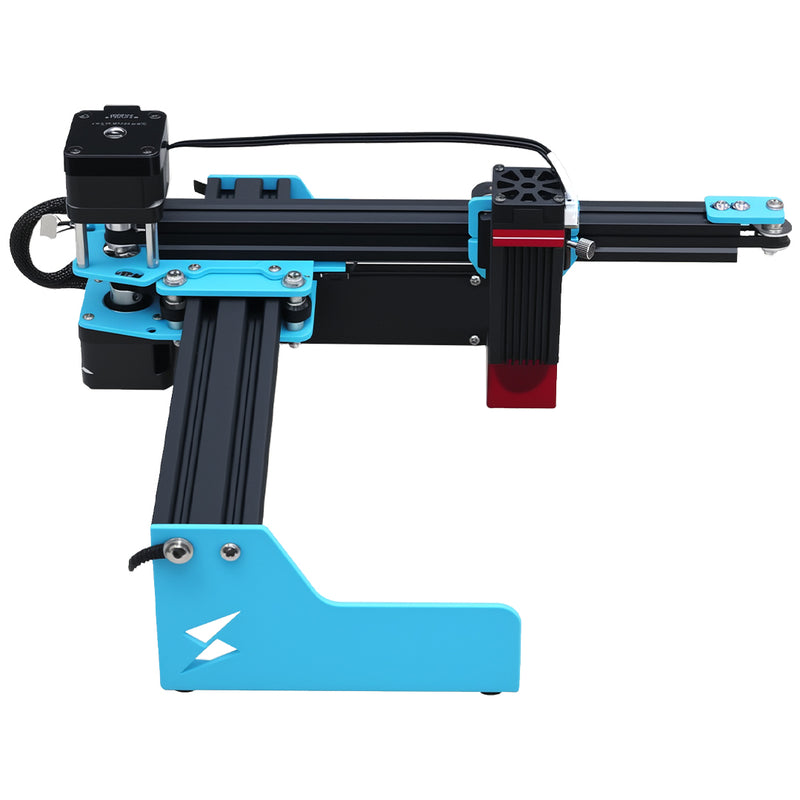
If you're ready to start your own leather engraving journey, check out the Tyvok A1 Mini 10W desktop laser engraver — it's perfect for small to medium leather projects and delivers clean, detailed engravings at an affordable price.
💡 Recommended: The Tyvok P2 2W Galvo Laser is our top pick for metal marking & jewelry engraving. Currently 50% OFF at just $149!