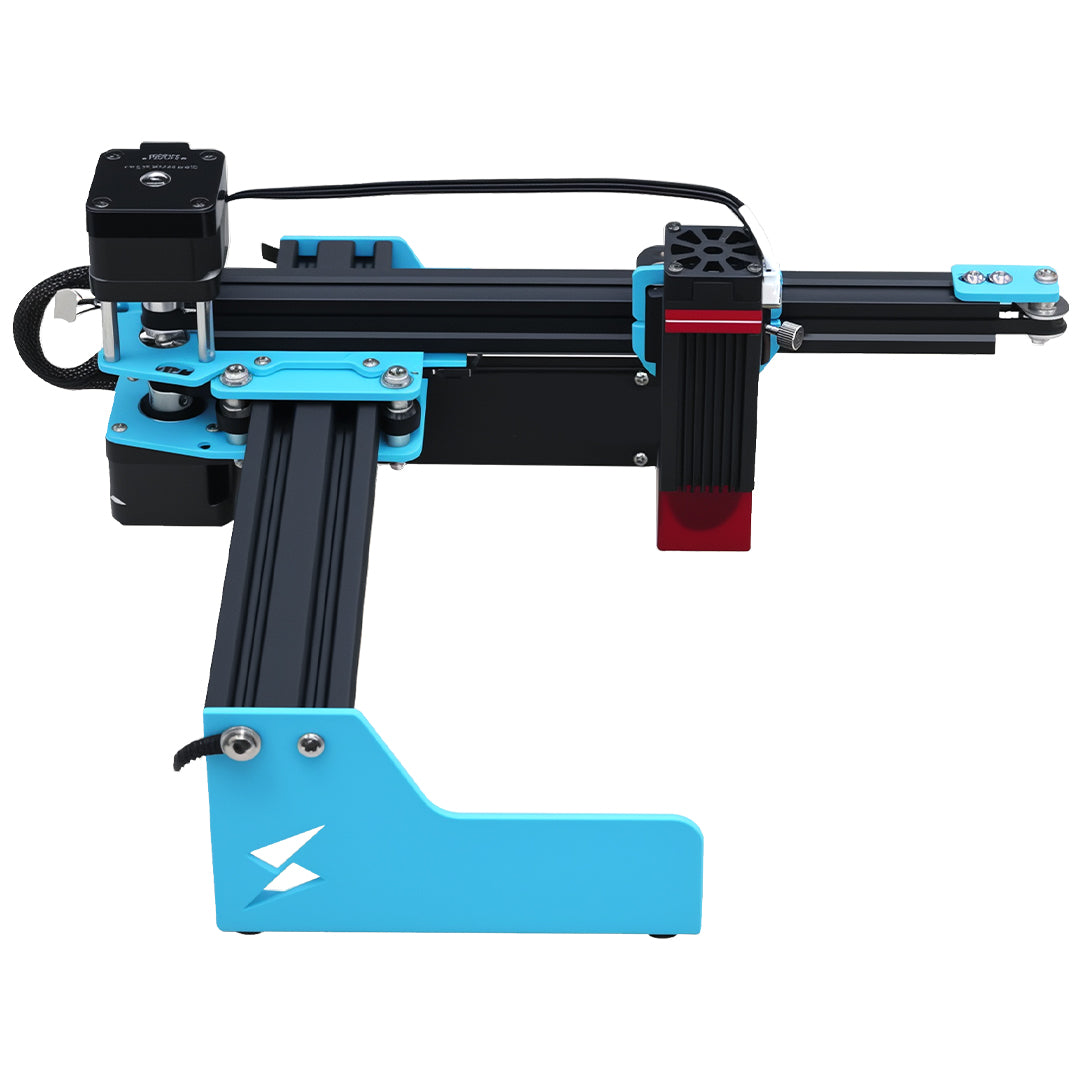


An apartment or garage is suitable only if the complete setup can control access, emissions, fire risk, and disturbance under applicable local and property rules. The A1 Mini fitting on a table does not settle those questions. If exhaust could return through a neighbor's window or visitors can enter the operating area unexpectedly, resolve that before buying or running the machine.

A beginner discussion about an apartment terrace raises ventilation and fire concerns alongside the choice of equipment. An outdoor-looking location is still part of a shared building: balconies above, nearby air intakes, and common walkways can make discharge and access more complicated.
Walk the outside of the proposed location
Mark your intended discharge location and nearby windows, doors, balconies, and ventilation intakes. Consider where exhaust could travel under changing wind conditions. Do not assume a closed window today will remain closed during future operation. A shared courtyard or enclosed garage passage is not automatically a suitable discharge destination.
Discuss the proposed installation with the property owner or building manager where required, and confirm applicable restrictions with the relevant local authority. This is a feasibility check, not a universal legal ruling: allowed uses and discharge requirements depend on the location. If a lawful and appropriate outlet cannot be established, choose another workspace.
| Residential A1 Mini question | Evidence needed before operation |
|---|---|
| Could emissions re-enter occupied space? | Assessment of neighboring openings and the proposed exhaust route |
| Who can enter unexpectedly? | Controlled access for residents, children, pets, and visitors |
| What will neighbors hear? | Assessment of the complete proposed equipment during permitted hours |
| Are shared areas involved? | Property permission and unobstructed access routes |
| Can an incident be handled? | Documented emergency arrangements and continuous operator attendance |
Include the equipment around the laser
Noise planning must include any separate extraction equipment, not just the engraver. Ask for relevant specifications and consider sound transmission through walls, floors, and shared doors. There is no basis here for promising silent operation or recommending a universal acceptable noise level. Check local limits and building rules, and verify the installed result before scheduling routine work.
The A1 Mini product information lists a 120 × 130 mm working area. It does not, by that measurement, establish residential suitability or included containment and exhaust. Use the workspace measurement guide to map operator and loading access after the location passes the neighbor checks.
For an external ventilation proposal, the exhaust planning worksheet provides questions about capture, ducting, and make-up air; it is not an A1 Mini fan specification or installation approval.
Is an open balcony safer than a spare room?
Not automatically. Wind, neighboring balconies, public sightlines, access, and building restrictions may make it unsuitable. Evaluate the complete authorized setup rather than the room label.
Can I run jobs while household members are out?
That does not solve neighbor exposure or unexpected access, and the machine still requires continuous attendance by its operator. If the space cannot meet the required conditions consistently, do not operate there.