

Should Veg-Tan Leather Be Damp Before Laser Engraving?
Use dry, untreated, supplier-confirmed vegetable-tanned scrap as the default test condition; do not dampen leather for laser work.
Write the real buyer requirement
A July 2026 beginner explicitly asked whether dampening 4 mm veg-tan leather helps or creates steam; replies recommended dry scrap testing and exhaust.
The useful method here is supplier-confirmed same-hide dry control with an explicit no-damp default, moisture record, supervised scrap sample, exhaust observation, and finish deferral.
Calculate or map the missing evidence
| Leather gate | Dry control | Damp proposal | Decision |
|---|---|---|---|
| Tanning identity | Supplier-confirmed veg-tan | Unknown after wetting | Refuse unknown tanning |
| Surface treatment | Untreated scrap | Added water | Do not damp by default |
| Thickness | Measured same-hide scrap | 4 mm anecdote only | No universal capability claim |
| Observation | Transfer, odor, edge, ventilation | Steam/changed moisture state | Stop and do not recommend |
Check the edge cases before release
- Confirm untreated vegetable tanning from the supplier.
- Reject chrome-tanned, faux/PVC, coated, or unknown leather.
- Cut a same-hide dry scrap and record its moisture condition.
- Run only the dry eligible control under supervision and ventilation.
TYVOK P2 facts for exact tanning method
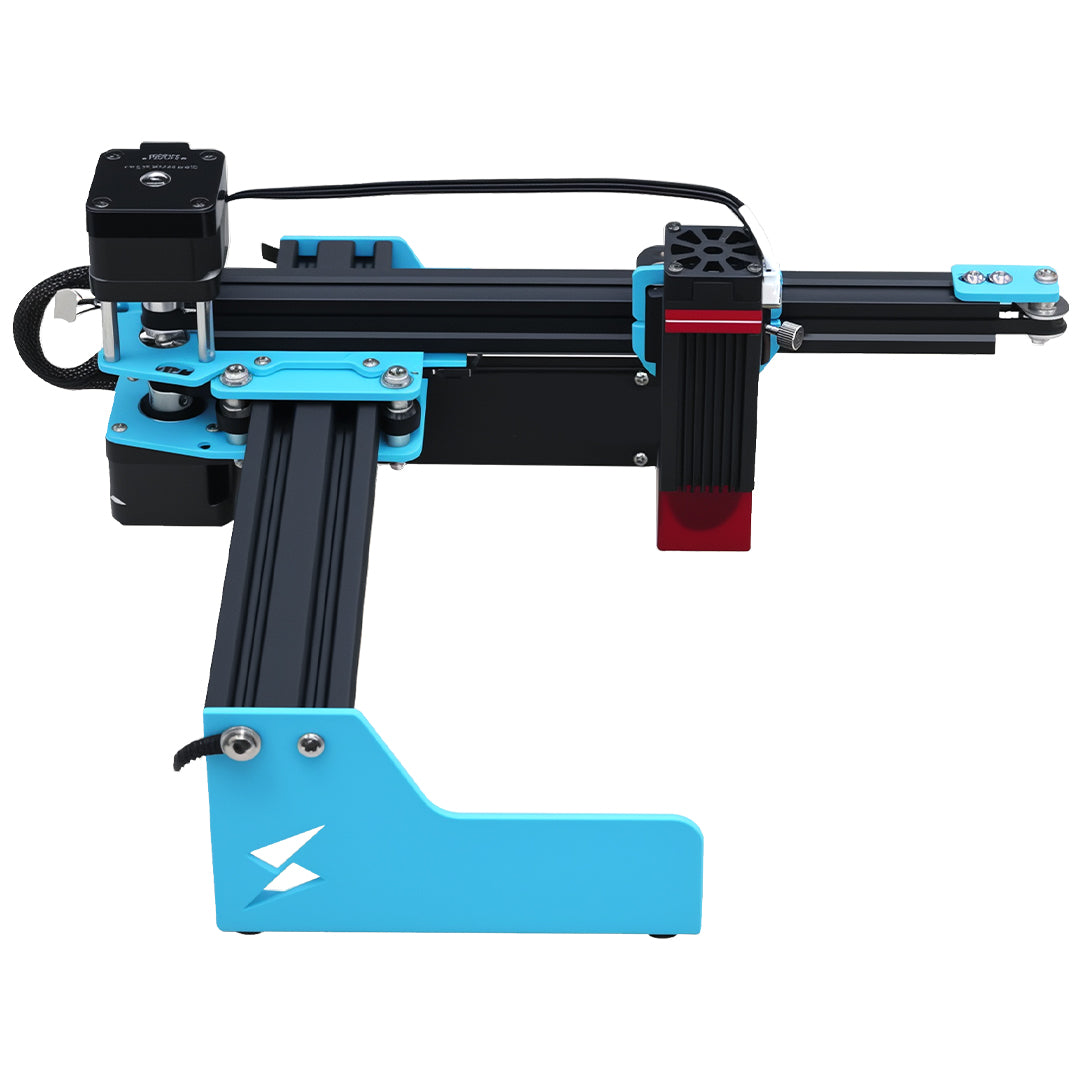
P2 lists LightBurn and LaserGRBL support; saved software values still need an operator-owned comparison; see the current TYVOK P2 configuration.
Leather testing uses ventilated, supervised, supplier-confirmed untreated veg-tan scrap; damp, chrome-tanned, faux/PVC, coated, or unknown leather is refused.
References for untreated same-hide scrap
- Compare leather finishes after engraving
- Trace adhesive leather layers
Buyer questions about exact tanning method
Why not wet veg-tan first?
Do not wet veg-tan for laser work by default. Added moisture changes the test condition and can create steam without proving a better result.
Does 4 mm thickness guarantee suitability?
No. The reported 4 mm piece is an anecdote, not a universal P2 capability; test only eligible same-hide scrap.
Which leather must be refused?
Refuse chrome-tanned leather, faux or PVC leather, unknown tanning, unknown finish, and any piece without credible composition evidence.