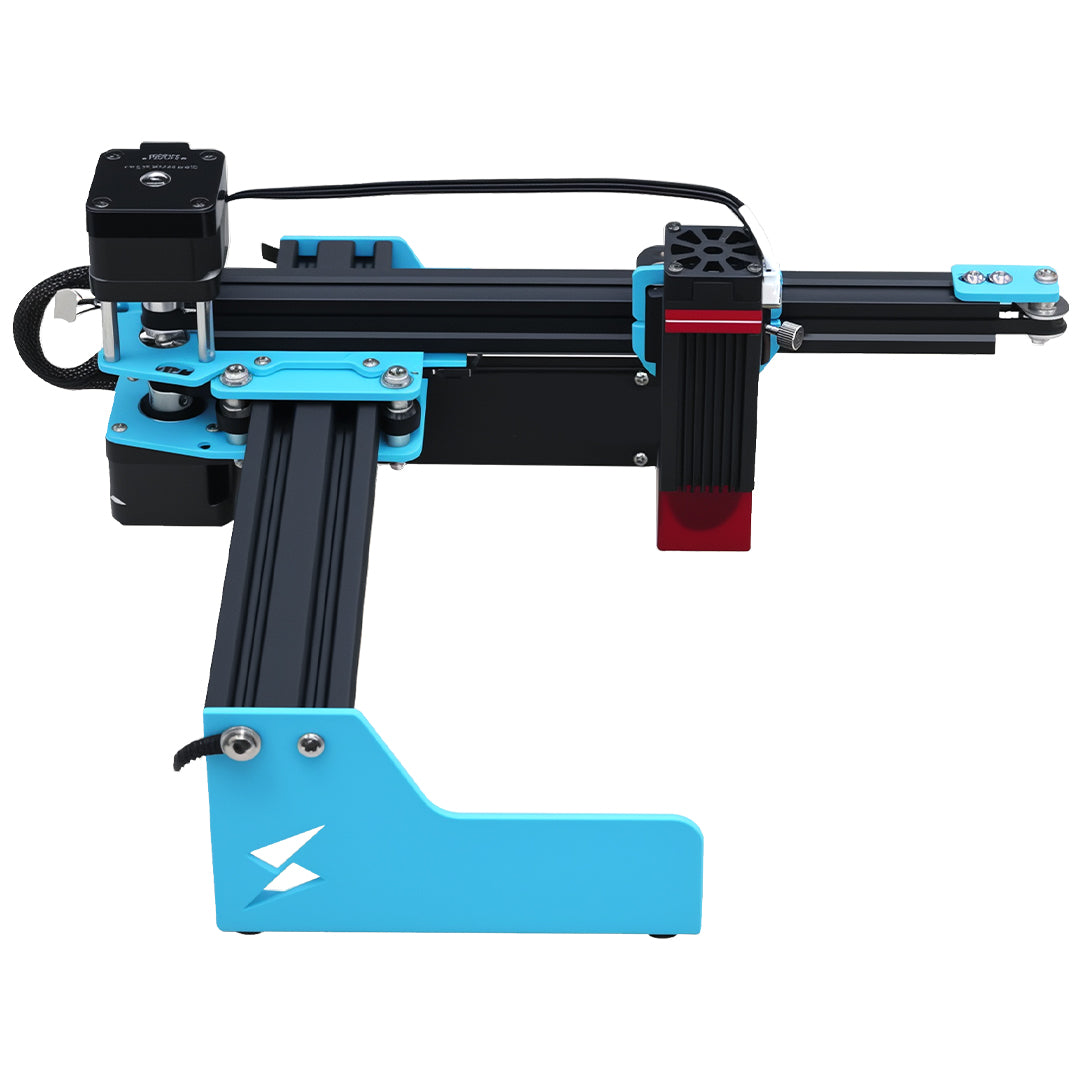


A private-label laser engraver is sold under the dealer's brand. The product platform comes from the manufacturing partner, while the dealer owns the customer-facing name, pricing, channels and local relationship. For an established distributor, this can turn product sales into a business asset that remains valuable beyond one promotion cycle.

What private label means in the TYVOK partner model
Under Model 2, the product is presented under the partner's brand. TYVOK can support selected machine branding, premium neutral packaging and software options reviewed according to the cooperation scope. The partner builds the brand identity, decides the local market position, manages sales channels and owns the customer relationship.
Light customization can start from around 50 units. That number is a planning reference, not a universal promise. Final minimum quantity depends on the product, laser configuration, packaging, logo method, software scope and destination requirements.
Private label is more than replacing a logo
A logo answers who sells the product. A real brand also answers why the product belongs in the dealer's market, what customers should expect, how pricing is protected and who supports the buyer after delivery.
A credible private-label launch normally needs five connected layers:
- Product identity: consistent name, logo placement, model naming and approved product claims.
- Packaging: professional neutral packaging adapted to the partner's brand and local information requirements.
- Software path: neutral or white-label options reviewed for the actual cooperation model.
- Sales system: product page, demonstration materials, channel pricing and partner training.
- Local support: first response, basic troubleshooting, parts escalation and warranty communication.
When a dealer is ready for its own brand
Private label works best after the dealer has evidence, not only ambition. The following signals are stronger than a large contact list:
- You can name the customer segment and the applications it buys.
- You have stable sales or a credible launch channel.
- You understand the local price range and support expectations.
- You can hold and manage the planned starting quantity.
- You are prepared to support the brand after the first campaign.
If those conditions are not yet proven, starting with TYVOK distribution can produce real market data before the private-label investment.
What TYVOK provides and what the dealer owns
| Area | TYVOK role | Dealer role |
|---|---|---|
| Product platform | Prepare the agreed product and configuration | Select the market-fit offer and forecast demand |
| Branding | Apply reviewed machine and packaging brand elements | Provide approved artwork, naming and brand rules |
| Packaging | Provide premium neutral packaging and agreed customization | Confirm local language, labeling and customer presentation needs |
| Software | Review available neutral or white-label options | Define the required customer experience and local support |
| Sales and pricing | Provide product information and cooperation terms | Set channel strategy, local price and customer acquisition plan |
| Customer relationship | Support the agreed escalation path | Own first-line communication and local service |
Build the business case before ordering
Do not evaluate a private-label program using only the factory price. Build a landed-cost model that includes:
- Product and customization cost
- Packaging, inserts and local labels
- Freight, duties, taxes and local handling
- Payment cost and working-capital time
- Warranty reserve, spare parts and support labor
- Sales commissions, advertising and marketplace fees
- Returns, damaged units and demonstration inventory
The goal is not to maximize the difference between purchase price and retail price. The goal is to leave enough gross contribution to fund local service, channel growth and the brand experience customers expect.
A practical private-label launch sequence
- Confirm the market. Define the customer, application and realistic launch quantity.
- Choose the product configuration. Align the laser module, accessories and support scope with the target use.
- Freeze the brand system. Approve the product name, logo files, packaging treatment and claims before production.
- Prepare local sales and support. Build product pages, demonstrations, onboarding and an escalation process.
- Approve samples. Check product branding, packaging, software path and documentation as one customer experience.
- Launch with controlled channels. Protect price discipline and collect customer feedback before expanding.
Common mistakes
- Starting with a logo instead of a customer: the product looks branded but has no clear market position.
- Ignoring local support cost: the price looks attractive until returns and questions begin.
- Changing too much at once: unnecessary customization adds time, quantity and quality risk.
- Using public retail prices as the only benchmark: a sustainable dealer price must include local value and service.
- Treating software as an afterthought: the user experience must match the promise on the box.
Next step
Prepare your current sales channel, target market, expected first quantity, preferred product configuration, brand assets and local support plan. TYVOK can then review what should be customized now and what should remain standard for a faster launch.
Discuss a TYVOK private-label path or first compare distribution, private label and local assembly.
Choose a machine for your project
For small personalized gifts and tags, review TYVOK P2 options. For larger wood panels and signs, compare TYVOK X1S 2026 configurations. Test the actual material and project dimensions before buying.