

How to Start a Laser Engraving Business with Under $200 in 2026
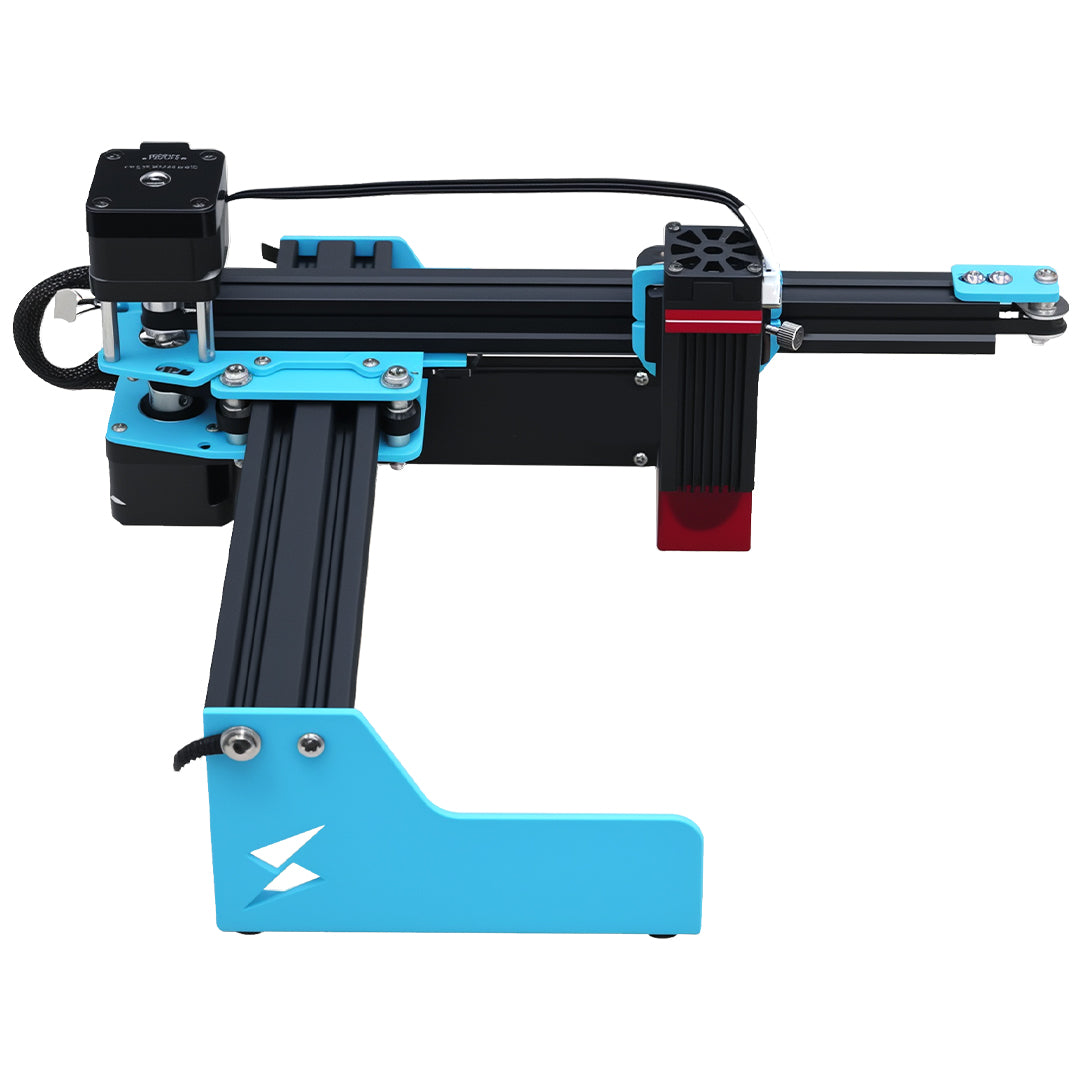
Can you actually start a profitable laser engraving business with only $200? Five years ago, I would have said no — entry-level laser engravers cost at least $500 back then. But today, with machines like the Tyvok A1 Mini 5W for $149 and the Tyvok P2 2W for $149, you really can get started for under $200.

I've helped several friends start their own laser businesses on a budget, and in this guide, I'll walk you through exactly how to do it step by step.
Is It Really Possible to Start with Under $200?
Yes, it really is possible. Here's what your budget looks like:
| Item | Cost |
|---|---|
| Laser Engraver (Tyvok A1 Mini 5W) | $149 |
| Basic materials (blanks for first 10 products) | $30 |
| LightBurn license (optional, can start with free LaserGRBL) | $0* |
| Total | $179 |
*You can start completely free with LaserGRBL, and upgrade to LightBurn later once you're making money.
That's it. You don't need a fancy workshop, you don't need a lot of tools, you just need the machine, some basic materials, and a phone to take photos for your listings.
Step 1: Choose the Right Machine for Your Budget
With under $200, you have two great options from Tyvok:
Option A: Tyvok A1 Mini 5W Diode ($149)
- Better cutting capability (up to 4-5mm wood)
- Slightly bigger working area (120×130mm)
- Perfect if you want to cut out shapes as well as engrave
Option B: Tyvok P2 2W Galvo ($149)
- Much faster engraving speed
- Sharper detail for fine text and logos
- Better if most of your work is engraving rather than cutting
Both are excellent choices for starting out. I usually recommend the A1 Mini for most beginners because it gives you more flexibility for cutting.
Step 2: Choose Your First Products to Sell
When you're starting with a small machine, you want to focus on small products that don't need a big working area. These are the best products to start with because they have good margins and sell consistently:
Top 5 Products for a Small Beginner Machine
| Product | Material Cost | Selling Price | Profit |
|---|---|---|---|
| Custom Pet Tags | $1.50 | $12-$15 | $10.50-$13.50 |
| Leather Keychains | $2.00 | $15-$20 | $13-$18 |
| Wood Coasters (set of 4) | $4.00 | $20-$25 | $16-$21 |
| Personalized Jewelry | $3.00 | $20-$30 | $17-$27 |
| Custom Phone Cases | $5.00 | $25-$35 | $20-$30 |
All of these products fit easily within the 100-120mm working area of your entry-level machine, and they have excellent profit margins. Most importantly, people buy them every day.
Pro Tip: Start with One Product
Don't try to offer fifty different products when you're starting out. Pick just one or two (I recommend starting with pet tags and keychains) and get really good at making them. This keeps things simple and helps you focus on marketing.
Step 3: Get Your First Batch of Materials
When you're starting out, don't buy hundreds of dollars worth of inventory. Just buy enough for your first 10-20 orders. This keeps your initial investment low.
Basic starter shopping list:
- 10 aluminum pet tag blanks (various shapes)
- 10 blank leather keychain blanks
- 4 round wood coaster blanks
- Some basic finishing oil for wood
- Key rings and hardware
This will cost you about $30-$40 total on sites like Etsy, Amazon, or Alibaba.
Step 4: Set Up Your Sales Channel
You don't need your own website to start. The easiest place for beginners to start selling is Etsy. It's already set up for handmade and custom products, and people go there looking for exactly what you're making.
Etsy setup cost: $0.20 per listing — that's it. You can start with 10 listings for $2. That's cheaper than a cup of coffee.
Alternative options:
- Facebook Marketplace / Facebook Groups — great for local sales
- Instagram / Pinterest — good for building a following
- Craft fairs — once you have a few products to show
I recommend starting with Etsy because the traffic is already there. People are already searching for "custom pet tags" and "personalized keychains" — you just need to show up.
Step 5: Take Good Photos (It's Easier Than You Think)
Your photos are more important than you think. People buy with their eyes, and good photos get more clicks and more sales.
The good news? You don't need an expensive camera. Your phone works great.
Photo tips for beginners:
- Take photos near a window with natural light
- Use a simple neutral background (white poster board works great)
- Show the product from multiple angles
- Show it in use (a pet tag on a dog collar, for example)
- Clean the product before photographing it
You don't need fancy editing — just crop it straight and adjust the brightness a little. That's enough.
Step 6: Price Your Products for Profit
A common mistake beginners make is underpricing their work. Here's a simple pricing formula that works:
Price = (Material Cost) × 3 to 4
This covers:
- Materials
- Your time
- Fees (Etsy fees, payment processing)
- Overhead (electricity, wear and tear on your machine)
- Profit
Example:
- Pet tag materials: $1.50
- × 3 = $4.50 — too low
- × 8 = $12 — good price, still competitive, good profit
Don't undervalue your work. People expect to pay for custom work, and your prices should reflect that.
Step 7: Fulfill Your First Order
When you get your first order, the process is simple:
- Create the design in LaserGRBL or LightBurn (it takes 5-10 minutes for a simple design)
- Set up your material on the machine
- Run the engraving/cutting (5-15 minutes depending on the product)
- Clean up the product, package it
- Ship it (use regular first class mail — it's cheap)
Your first order will probably take longer than you expect, and that's okay. You'll get faster with practice. That's normal.
Step 8: Scale Gradually
Once you start getting consistent orders, reinvest your profits back into the business:
- Buy more variety of materials
- Upgrade to LightBurn if you were using free LaserGRBL
- Try adding new products
- When you're consistently busy, you can upgrade to a bigger machine
You don't need to do everything at once. Let the business grow at its own pace, and let the business pay for the upgrades.
Common Challenges You'll Face (and How to Solve Them)
"I don't have any design experience."
That's okay. Most of what you'll be doing is adding names and text. Free tools like Canva make this incredibly easy, and most fonts work great for laser engraving. You don't need to be a graphic designer.
"I don't have a lot of space."
A 100×100mm machine fits on a standard desk next to your computer. You don't need a dedicated workshop. I know people who run their entire laser business from their apartment dining table.
"What about ventilation?"
For small projects on an entry-level machine, you can get a basic smoke absorber for under $50, or you can just open a window and point a fan out it when you're cutting. It doesn't need to be fancy starting out.
Realistic Expectations for Your First Year
What can you actually expect when you start with under $200?
- First 3 months: Getting the hang of it, getting your first 5-10 orders, learning what sells
- 6 months: Consistent 2-5 orders per week, making $100-$300 per month profit
- 12 months: 5-10 orders per week, making $300-$800 per month profit
That's realistic. You're not going to quit your job in the first month, but you can build up a nice side income that grows over time. And if you want to grow it bigger, you can always reinvest and upgrade.
Is Starting a Laser Engraving Business Worth It in 2026?
If you're looking for a low-cost side hustle that you can start from home, I think laser engraving is one of the best options available right now.
The barriers to entry are lower than they've ever been — you can get started for under $200, there's steady demand for custom engraved products, and the profit margins are excellent.
You don't need any special skills or experience to start. You learn as you go, and you can grow at your own pace.
Ready to Get Started?
If you're ready to start your laser engraving business on a budget, check out the [Tyvok A1 Mini 5W for $149 — it's the perfect entry-level machine to get you started.
Published: March 21, 2026 by Alex Maker
This article contains affiliate links. We may earn a small commission at no extra cost to you if you purchase through our links.