

How to Laser Engrave Glass: Settings, Tips, and Frosted vs. Etched Effects
So you've got a beautiful glass piece and a laser engraver, and you're ready to create something stunning. But your first attempt left you with a faint mark, a cracked glass, or results that just didn't match your vision. Don't worry—you're not alone. Laser engraving glass is an art that balances power, speed, and technique. Whether you're aiming for a deep, frosted look or a subtle, etched line, this guide will walk you through the exact settings, crucial tips, and product insights you need to master the craft. Let's turn that fragile blank into a durable, personalized masterpiece.

Understanding Your Laser: Diode vs. CO2 for Glass
Before you hit "start," it's critical to know what type of laser you're working with. The mechanism and material interaction differ significantly between diode and CO2 lasers, impacting your approach and results.
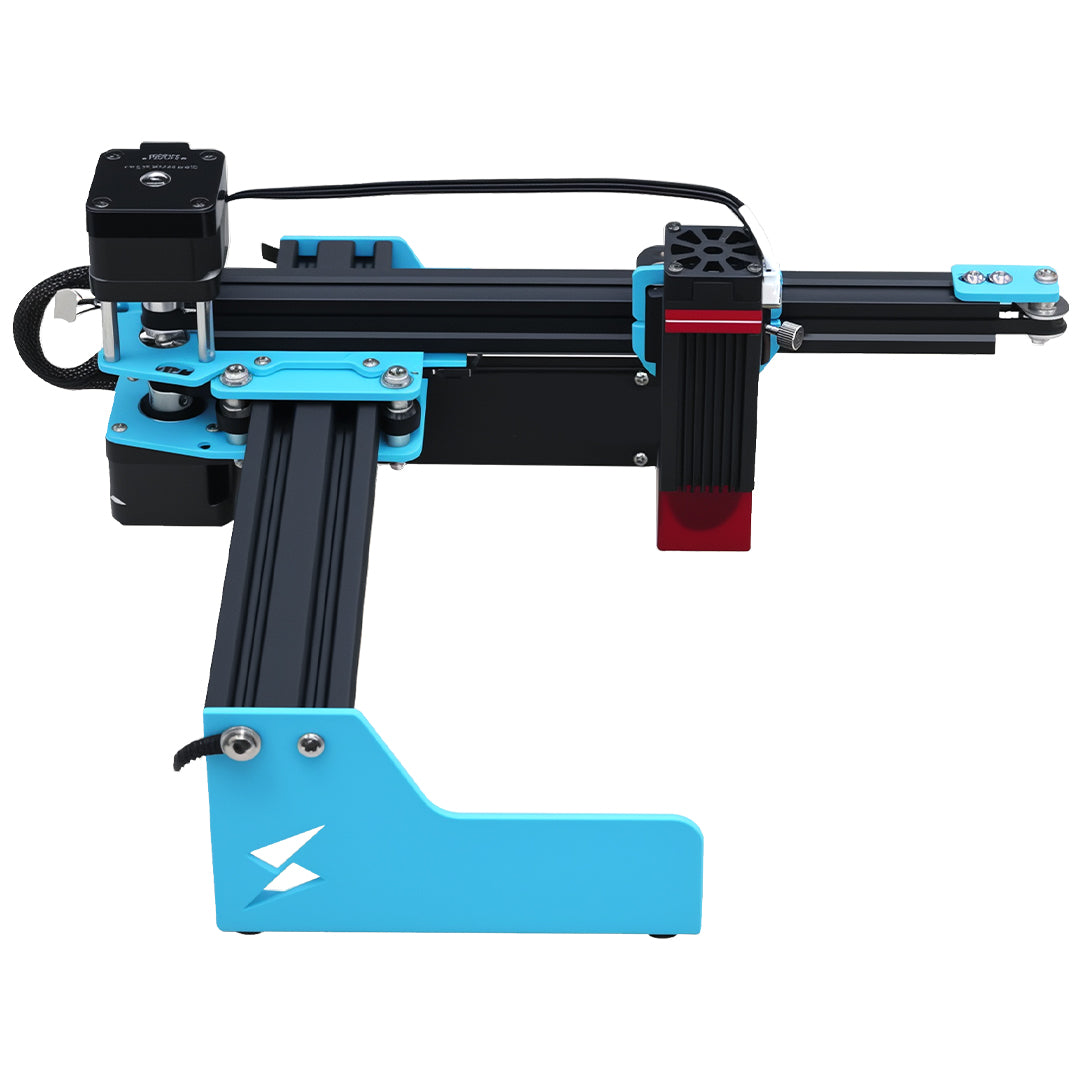
Diode Lasers (Like the Tyvok A1 Mini)
Diode lasers, typically in the blue-violet spectrum (445nm), are great for beginners and are common in affordable desktop machines. They do not engrave glass in the traditional sense by vaporizing material. Instead, they create a micro-fracture effect on the surface. This results in a crisp, often slightly raised, white mark. It's perfect for detailed graphics, text, and surface-level designs. The key with diodes is multiple passes at high speed and lower power to avoid thermal shock and cracking.
CO2 Lasers (Like the Tyvok K1 or P2 Galvo)
CO2 lasers (10.6μm wavelength) interact with glass differently. The infrared light is highly absorbed by the glass surface, causing localized heating and micro-cracking that creates a classic frosted appearance. This method allows for a range of effects, from light etching to deep, opaque frosting. Galvo-style CO2 lasers, like the Tyvok P2 10W, are particularly adept at glass due to their incredible speed, which minimizes heat buildup in any one spot.
The Core Techniques: Frosted vs. Etched Effects
Many people use "etching" and "engraving" interchangeably, but in the laser world, they often refer to distinct visual effects on glass.
Creating a Frosted Finish
This is the most common and sought-after effect. The laser creates a uniform, matte-white surface by causing controlled micro-fractures. * How it's done: Achieved by rastering—the laser head moves back and forth, filling in an area like an inkjet printer. For CO2 lasers, this means lower speed (e.g., 100-300 mm/s) and moderate power (15-50%). For diode lasers, use very high speed (e.g., 3000+ mm/min) and medium power with 3-10 passes. * Best For: Filling in logos, creating portrait plaques, or any design requiring high contrast and opacity.
Creating a Fine Etched Line
This effect produces delicate, single-line designs that look like they were drawn with a fine, white pen. It emphasizes precision over fill. * How it's done: Achieved by vector cutting/engraving—the laser follows the precise paths of your design lines. This requires high speed and low power. On a CO2 laser, you might use 500+ mm/s at 5-15% power. This technique is where a galvo laser like the Tyvok P2 shines, as its fast-moving mirror system can trace intricate vectors in seconds without the slow back-and-forth of a gantry system. * Best For: Fine text, intricate line art, signatures, and decorative borders.
Your Laser Engraving Glass Settings Cheat Sheet
These are starting points. Always run a test grid on a scrap piece of the same glass!
For Diode Lasers (e.g., Tyvok A1 Mini)
-
Goal: Surface Etch/Line
- Power: 60-80% of machine max
- Speed: 3000-5000 mm/min (as fast as your machine allows)
- Passes: 3-10
- LPI/Interval: 0.08mm or lower
- Tip: Apply a thin, wet layer of dish soap or use a laser-specific marking spray (like Dry Moly) to enhance the contrast of the mark.
For CO2 Gantry Lasers (e.g., Tyvok K1)
-
Goal: Frosted Fill (Raster)
- Power: 20-35%
- Speed: 150-250 mm/s
- DPI: 300-600
-
Goal: Etched Line (Vector)
- Power: 8-12%
- Speed: 500-800 mm/s
- Frequency: 20-30 KHz (if adjustable)
For CO2 Galvo Lasers (e.g., Tyvok P2 10W)
-
Goal: Frosted Fill
- Speed: 2000-4000 mm/s
- Power: 30-50%
- Interval: 0.03-0.06mm
-
Goal: Etched Line
- Speed: 5000-8000 mm/s
- Power: 10-20%
- Galvo Advantage: The extreme speed drastically reduces the chance of thermal cracking and allows for incredibly fast processing times.
Pro Tips to Prevent Glass from Cracking
Thermal stress is the #1 enemy. Follow these tips to keep your glass intact.
- Start with Room-Temperature Glass: Never engrave glass that is cold or hot to the touch.
- Use the Right Glass: Annealed glass (like most drinkware and picture frames) works well. Avoid tempered glass (often used in car windows and shower doors)—it's designed to shatter into small pieces and will likely explode under the laser's localized heat.
-
Minimize Heat Buildup: This is your most powerful tool.
- Use High Speed: A faster-moving laser beam puts less energy into any single point.
- Apply a Wet Paper Towel: Place a single layer of paper towel or newspaper over the engraving area and saturate it with water. The water acts as a heat sink, pulling heat away from the glass. This is a game-changer for preventing cracks and often improves contrast.
- Masking Tape: A layer of painter's tape can also help diffuse heat and reduce microscopic splatter.
- Avoid Tight Corners and Fills: Very sharp corners can concentrate heat. Consider slightly rounding corners in your design. For large fill areas, use a cross-hatch or staggered fill pattern instead of a simple back-and-forth to distribute heat more evenly.
- Clean Gently Post-Engraving: Wash with warm, soapy water. Avoid abrasive scrubs on the engraved area, as you can wear down the delicate frosted surface.
Frequently Asked Questions
Can you laser engrave glass with a diode laser?
Absolutely. While it works differently than a CO2 laser, diode lasers are excellent for creating crisp, white surface marks on glass. The key is using high speed, multiple passes, and often a marking agent (like soap or spray) to improve contrast. It's a perfect starting point for hobbyists with machines like the Tyvok A1 Mini.
What is the best laser for glass engraving?
For high-volume, professional-quality frosted effects, a CO2 laser is the industry standard. Within that category, a galvo laser (like the Tyvok P2) is often considered the best tool for the job due to its blistering speed, which inherently prevents cracking and allows for incredible detail and throughput. For beginners or those on a budget, a diode laser is a capable and affordable entry point.
Why did my glass crack or break during engraving?
This is almost always due to thermal stress. The most common causes are: laser power too high, speed too slow, engraving on tempered glass, or starting with cold glass. Revisit your settings, ensure you're using annealed glass, and employ the wet paper towel method to manage heat.
How do I get a darker engraving on glass?
To achieve a deeper, more opaque white, you need to create more micro-fractures. Try this: Slow down your speed slightly and/or add more passes. On CO2 lasers, you can also try increasing the DPI/interval for more overlap. The wet paper towel method also frequently results in a whiter, more pronounced frosted effect.
Conclusion
Laser engraving glass opens up a world of creative possibilities, from personalized gifts to custom decor. The journey from a fragile blank to a finished piece hinges on understanding your machine, choosing the right technique (frosted fill vs. etched line), and meticulously managing heat through smart settings and tricks like the wet paper towel method. Whether you're starting your journey with an accessible diode laser like the Tyvok A1 Mini or pursuing professional results with the speed of a Tyvok P2 Galvo, the principles remain the same. Start with our cheat sheet, always run a test grid, and don't be afraid to experiment. Now, go fire up that laser and transform some glass.