

Will an Engraved QR Code Still Scan After Cleaning or Clear Coat?
Approve the QR code only after the completed, cured surface passes scans on multiple phones, at the intended distance and lighting. A fresh high-contrast mark is not evidence that cleaning residue, gloss, coating thickness, or abrasion will preserve it.
The finished code is the test specimen
Sellers need codes that remain usable after the actual cleaning, coating, and handling process, not only immediately after engraving.
Observation: the fresh code scans at 180 mm, but the coated coupon works only at 90 mm under side light. Controlled test: compare an unfinished control and a fully cured twin with the same three phones, two light positions, and five first-try attempts. Interpretation: if only the cured twin loses range, finishing—not engraving registration—is the changed variable. Action: change coat, symbol size, or surface orientation and repeat the pair.
Build the before-and-after scan sheet
| Specimen stage | Measurement | Failure clue |
|---|---|---|
| Fresh engraving | First-try scans and maximum distance | Closed cells or weak contrast |
| After cleaning | Same devices, angles and lights | Residue fills modules |
| After full cure | Glare at normal and oblique view | Coat causes reflections |
| After wear cycle | Center and edge scans | Abrasion removes contrast |
Keep the destination URL in the job record. A perfectly engraved code that later points to a dead or redirected page still fails its use case.
Example: glare improves while abrasion gets worse
- Encode a short stable URL and preserve the required quiet zone.
- Make paired coupons from the same blank lot.
- Record phone model, light, angle and first-try scan distance before finishing.
- Clean and coat one coupon exactly like the sold item; wait for full cure.
- Apply a defined rub cycle and compare both coupons again.
Record a result as 5/5, 4/5, or 2/5 first-try scans rather than “works.” A seller can set a release rule such as 5/5 on two phone families at the promised use distance. The rule belongs to this URL, finish, module size, and cure schedule; abrasion gets its own after-wear column.
Release the destination as well as the pattern
Keep the control coupon beside the delivered-finish coupon. That pair explains whether a later failure came from the mark, the finish, physical wear, or the destination.
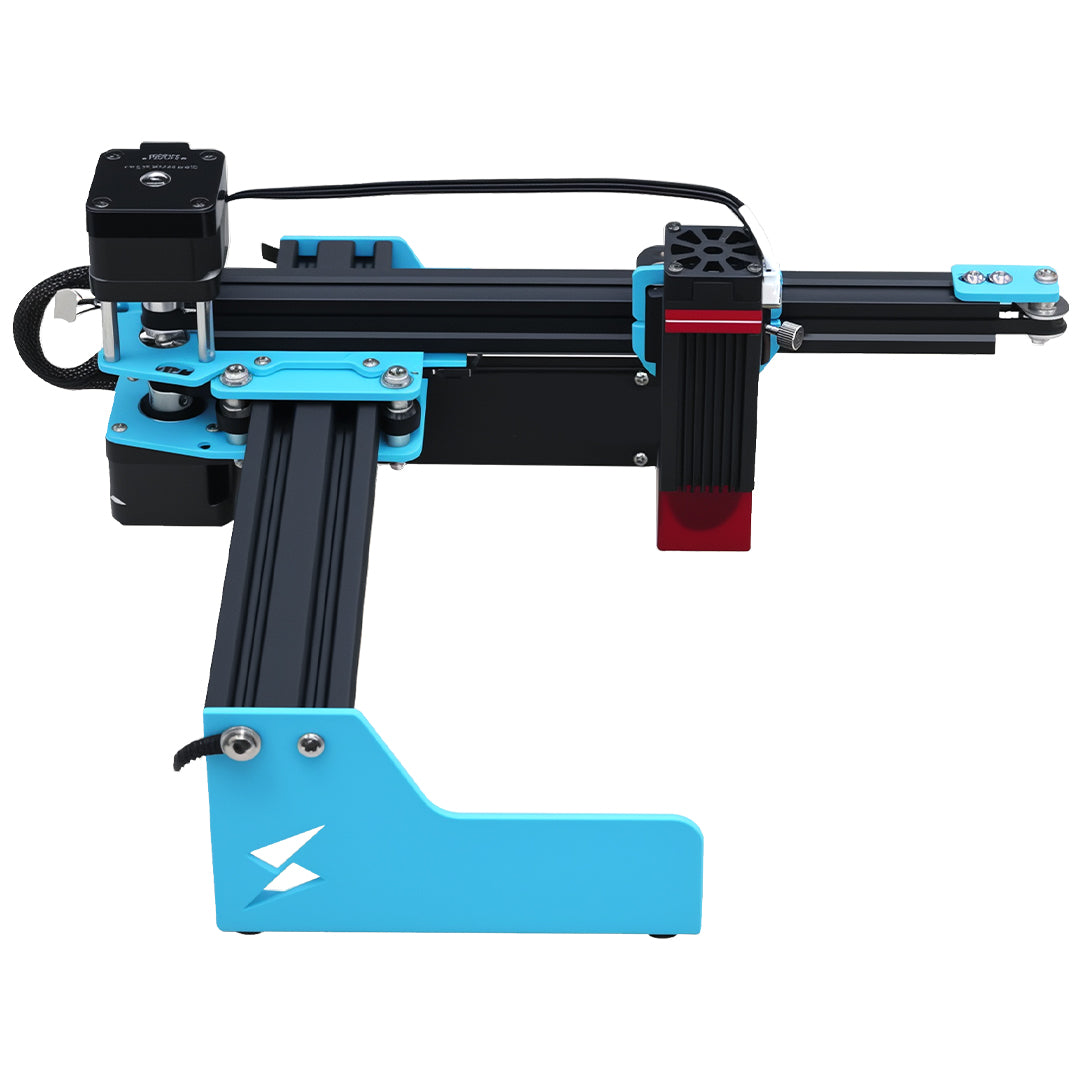
Confirm the compact marking workflow on the TYVOK P2 page. If the finished blank also contains adhesive layers, use Adhesive Leather Patch Liner Smoking? Isolate the Contamination Source before any material trial.
Questions about QR size, cure, and glare
Will a larger code always solve glare?
No. Size helps camera sampling, but specular glare can still obscure modules.
Can I test while the clear coat is tacky?
No. That is not the delivered surface; follow the coating maker's full cure time.
What is the universal minimum QR size?
There is none for every material and camera. Prove the actual size, finish, URL and viewing distance.
Release the scan condition, not just the engraving
The paired coupons, phone list, cure time, and after-wear score define the approved QR result. A new coating or URL starts a new comparison.