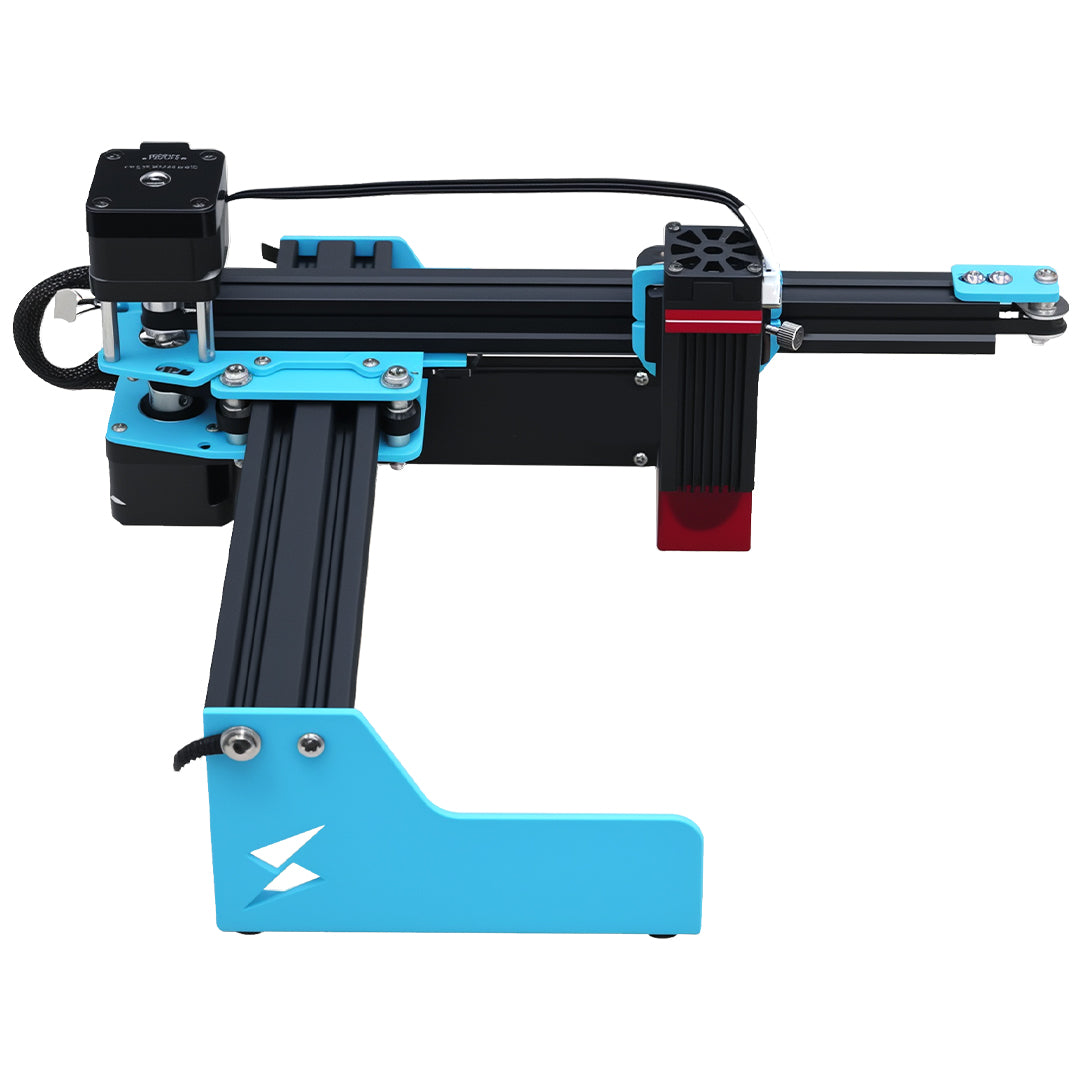


TYVOK P2 Small Object Batch Positioning Workflow
How can a small business make TYVOK P2 small-object engraving more repeatable?
A small business can make TYVOK P2 small-object engraving more repeatable by limiting product sizes, using placement templates, documenting blank orientation, checking one sample before each batch, and recording settings with photos. Repeatability comes from workflow discipline, not just the machine.
Quick takeaways
- Small-object engraving gets easier when product sizes and placement zones are standardized.
- A sample-first batch workflow reduces mistakes before paid orders are produced.
- Positioning notes and reference photos are business assets, not extra admin.
Why Positioning Becomes the Bottleneck
Beginners often think the hard part is making a mark. In a business workflow, the harder problem is putting that mark in the right place every time. If the logo drifts, the name looks off-center, or the product orientation changes, the order feels less professional even when the engraving itself is clean.
TYVOK P2 is strongest as an entry into compact personalization when the seller builds a repeatable positioning system around it.
Standardize Before You Scale
Standardization begins with fewer product sizes. Choose a small set of blanks with similar placement needs. Then document the engraving zone, orientation, artwork size, and inspection standard for each product. This makes training easier and helps future content show real workflow value.
The TYVOK P2 small business guide and business starter kit guide should receive links from this article because they explain the broader buying path.
Batch Work Does Not Mean Mass Production
For TYVOK P2, batch work can simply mean making ten key tags, twenty favor cards, or a small set of packaging labels with the same placement method. It does not need to claim factory-scale production. The useful promise is controlled repetition for small-object orders.
This distinction matters. It keeps the content credible while still helping buyers imagine a real business workflow.
When to Upgrade Beyond P2
If the limiting factor becomes work area, larger fixtures, mixed materials, or sheet-based layouts, the next step may be a larger TYVOK machine. P2 should be positioned as start and grow, not as the answer to every production problem.
That upgrade story is good for SEO because it creates a natural internal link path from beginner articles to larger industrial pages later.
Decision table
| Workflow element | What to standardize | Why it helps |
|---|---|---|
| Blank orientation | Top, bottom, front, back, grain direction | Reduces upside-down and off-center mistakes |
| Artwork size | Fixed logo or name dimensions | Keeps product photos consistent |
| Placement zone | Measured safe area | Makes repeat orders easier |
| Sample check | One test before batch | Catches setup changes early |
| Inspection photo | Reference image per product | Improves quality control and support |
Repeatable Small-Object Workflow
- Choose one blank and one fixed design zone.
- Create a placement note with orientation and artwork size.
- Make one reference sample and photograph it.
- Run a single test before the first paid batch.
- Inspect alignment, spelling, contrast, and surface finish.
- Record any cleanup or packaging steps.
- Only add another product size after the first workflow is stable.
Mistakes to avoid
- Changing product size and artwork position for every order.
- Skipping the first-sample check on repeat batches.
- Calling every small batch a production workflow without explaining limits.
- Failing to link workflow articles back to P2 buying pages.
Recommended next step
Use this workflow with the TYVOK P2 small object case gallery, then guide buyers to the TYVOK P2 product page when they understand the repeatable product path.
FAQ
Can TYVOK P2 handle batch engraving?
TYVOK P2 can support small-object repeat workflows when the product size, placement, and material are controlled. Avoid implying large-format production if P2 is not the right fit.
What is the easiest way to improve engraving consistency?
Standardize blank orientation, artwork size, placement zone, and sample checks. The workflow creates repeatability.
When should a business upgrade beyond P2?
Upgrade when the bottleneck is proven by order volume, larger product size, bigger work area, or a different material process.