

Direct Answer
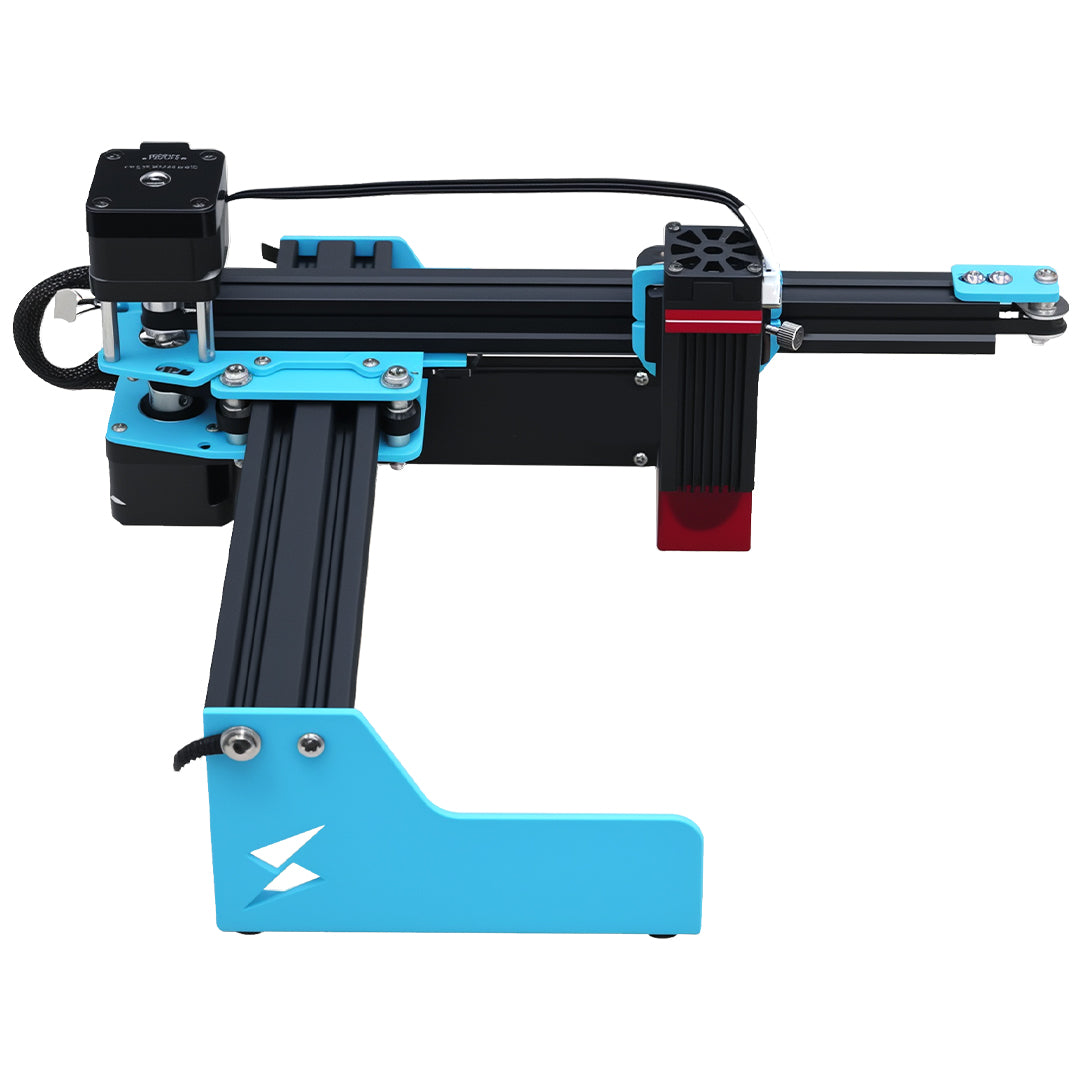
Run TYVOK X1S Pro duplication checks before cloning a jig so the second setup repeats the same registration standard instead of only looking similar on the bench.

Why Buyers Search This
Production shops keep chasing faster repeat output with duplicate jigs, but the hidden risk is copying a setup that looked good once without checking whether the second jig preserves the same registration behavior.
Where This Usually Shows Up
This question usually shows up in repeat production jigs and multi-station batch workflows because duplicate jigs appearing identical while drifting enough to create repeat registration misses becomes easy to spot once the piece is seen the way the buyer will actually see it.
What to Check on the First Sample
- Build one sample that matches the exact blank family you plan to sell for repeat production jigs and multi-station batch workflows.
- Compare it to the mockup only after you have looked at the real object in hand.
- If the object changes the visual center, fix that first before adjusting smaller details.
What Usually Looks Fine Until It Fails
The weak spot in this workflow is not the idea itself. It is the moment duplicate jigs appearing identical while drifting enough to create repeat registration misses turns from a file problem into a visible customer problem.
Quick Decision Table
| Stage | Signal | Decision |
|---|---|---|
| Layout pass | Spacing still feels comfortable | Keep the same text hierarchy |
| Real object check | Hardware, edges, or borders no longer pull the eye | Approve the layout |
| Second look | The same balance holds in normal light | Move into the batch |
| Revise | The object still looks off-center or cramped | Rework before selling |
When TYVOK Fits This Kind of Job
The conservative TYVOK angle here is simple: prove the look on the real blank, keep the promise narrow, and let the finished sample do the convincing.
Buyer FAQ
Is duplicate jigs appearing identical while drifting enough to create repeat registration misses mostly a layout problem or a material problem?
For this topic it usually starts as a layout problem, then becomes more visible because of the real material, object shape, lighting, or support condition.
What is the first proof most sellers skip on repeat production jigs and multi-station batch workflows?
They skip the proof that uses the real blank and the real final position, which is exactly where duplicate jigs appearing identical while drifting enough to create repeat registration misses stops being theoretical.
What usually improves repeat production jigs and multi-station batch workflows faster than another round of tweaking?
A simpler hierarchy, slightly more breathing room, or one clearer visual priority often helps faster than trying to squeeze everything onto the same piece.
When should a buyer-facing version of this repeat production jigs and multi-station batch workflows idea be paused?
Pause it when the sample still creates doubt about readability, balance, or fit. A short pause before selling is cheaper than teaching the buyer why the piece feels off.
Related TYVOK Reads
- Start with the official product page if you want the current machine overview before comparing project fit.
- TYVOK X1S Pro Tool Shadow-Board Label Spacing Before Full-Wall Runs shows a nearby version of the same visual problem on a different object.
- If your buyer is choosing between blanks or formats, Why TYVOK X1S Pro Foam-Case Name Windows Drift Between Batches is the next comparison to open.
- TYVOK X1S Pro Acrylic Award Title Line Breaks When the Recipient List Gets Longer is useful when the same spacing or balance problem appears in a different setting.
- For another buyer-facing question that changes the display condition or object shape, see TYVOK X1S 2026 Paint-Fill Mask Peel Order for Lake-Map Panels.
- Tyvok P2 Galvo Laser Engraver Guide shows a nearby version of the same visual problem on a different object.
Check Current Product Details
Confirm current options and workflow framing on the official product page before promising anything beyond this conservative use case: https://tyvok.com/products/tyvok-spider-x1spro-large-format-laser-engraver-cutter