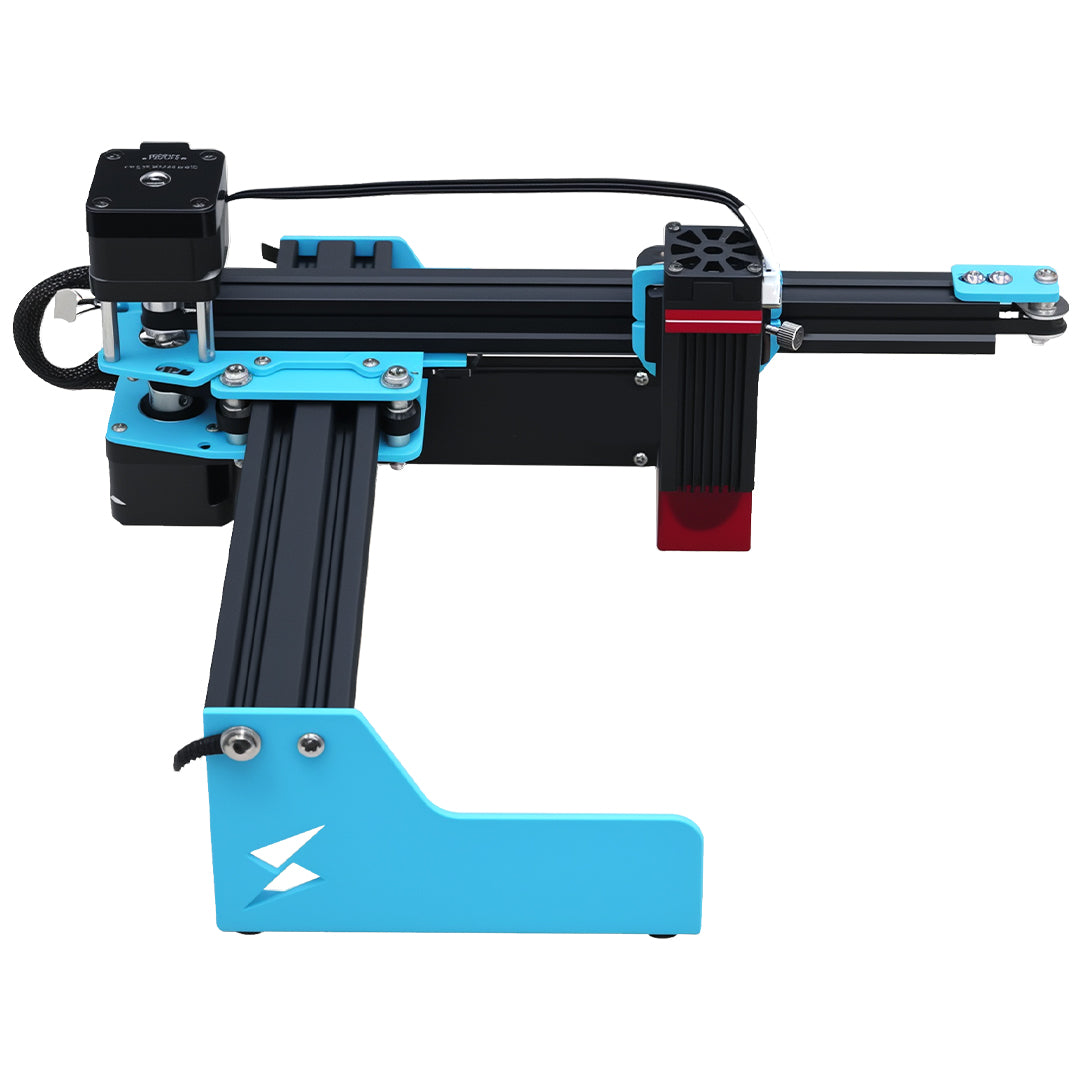


Short answer: A multi-machine or shared-shop workflow should come after the product is already repeatable. The TYVOK X1S Pro video is useful for setup thinking, but the business decision should be based on layout control, file management, material consistency, inspection, and order volume, not on adding machines too early.
Watch the official TYVOK video on YouTube.
When multi-machine planning is useful
| Signal | What it means | Decision |
|---|---|---|
| Same product repeats weekly | The shop is no longer experimenting with every order. | Document the layout before buying more capacity. |
| Large boards block smaller jobs | One machine is being used for mismatched work types. | Separate compact P2 work from X1S/X1S Pro large-format work. |
| Inspection takes too long | The bottleneck may be quality control, not machine count. | Fix the checklist before expanding. |
| Files are hard to track | Scaling will create mistakes. | Standardize file names, versions, and customer approvals first. |
A practical X1S Pro production checklist
- Create one approved file version per customer job.
- Label material blanks by supplier, size, color, and order number.
- Use a pre-job checklist for ventilation, support surface, alignment, and safe monitoring.
- Use a post-job checklist for cleaning, readability, edge condition, packaging, and customer photo proof.
- Only repeat the layout after the first finished piece passes inspection.
Multi-machine planning example
Do not begin with two machines doing the same unclear job. A cleaner plan is to separate work by product type and inspection stage. For example, TYVOK P2 can handle compact personalized add-ons such as tags, small labels, or customer name pieces, while X1S or X1S Pro handles larger boards, signs, and display panels. This keeps small rush orders from blocking large-format work.
| Role | Example owner | Checklist |
|---|---|---|
| Artwork intake | Sales or design operator | Customer file, spelling, size, material, approval status |
| Large-format prep | X1S / X1S Pro operator | Board support, alignment, ventilation, safe monitoring |
| Compact personalization | P2 operator | Names, tags, logo cards, packaging inserts, small parts |
| Inspection | Separate final check | Readability, finish, quantity, packaging, customer photo |
File naming and quality control
Use file names that include customer, product, material, size, version, and approval date. Example format: customer-product-size-material-v03-approved-date. This is simple, but it prevents one of the most common scaling mistakes: cutting or engraving the wrong file after a customer revision.
When not to scale
Do not add a second large-format workflow if most orders still require custom artwork fixes, material changes, or manual customer explanations. In that situation, the bottleneck is process quality. Improve the product offer first, then use X1S Pro as a planned upgrade when repeat layouts are proven.
Products that can justify shared X1S / X1S Pro workflows
Good candidates are repeated large signs, retail display panels, decorative boards, packaging panels, large event decor, and product sets with predictable dimensions. Poor candidates are one-off custom requests with unclear artwork, changing materials, or no approval process.
Where TYVOK P2 still belongs
If the job is compact personalization, use TYVOK P2 instead of forcing small tags or gifts into a large-format workflow. X1S and X1S Pro should be reserved for products where physical area, board handling, or larger layouts are the real constraint.