

White-label laser engraver software is not one checkbox. A dealer may be asking for a neutral interface, its own logo, a localized onboarding flow, a branded mobile app, or complete control of accounts and updates. Those are different projects with different cost, quantity, testing, and long-term support requirements.

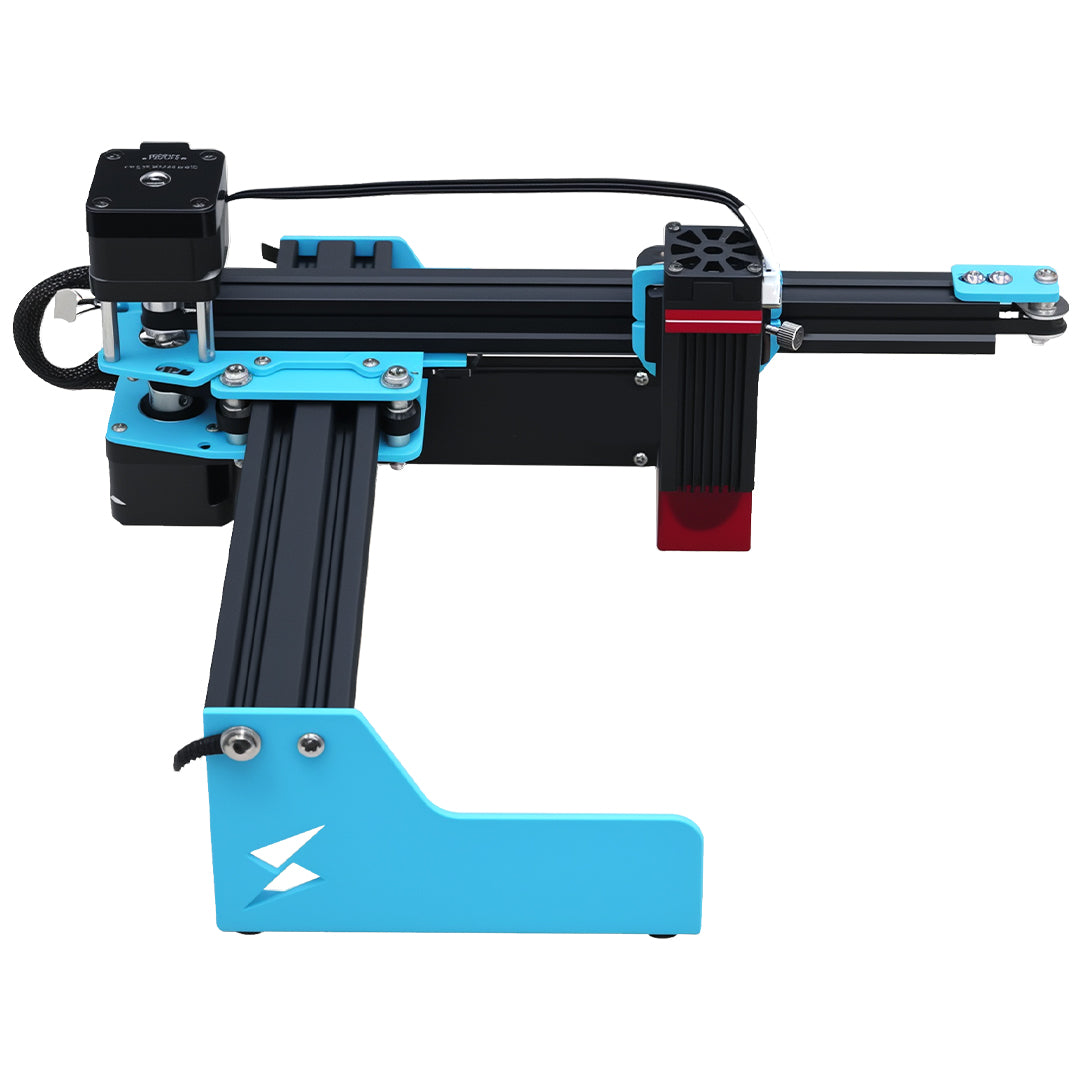
The TYVOK P2 partner program states that neutral or white-label software options can be reviewed according to the cooperation model. The exact scope must be confirmed in the written OEM plan. Use the questions below before placing a software promise on a product page or box.
1. Which customer-facing elements can be branded?
List the application name, icon, splash screen, logo, colors, device name, help links, support contact, and onboarding screens separately. “Branding supported” should not be accepted as a complete answer.
Ask for screenshots or a test build showing the proposed scope. Confirm which elements remain neutral or retain the platform provider's identity.
2. Which machines and configurations are supported?
Record the exact controller, laser module, connection method, work area, firmware, and accessory combinations. A branded interface is not useful if the released configuration has not been tested end to end.
Create a supported-device matrix and give every approved configuration a version.
3. Which operating systems are included?
Confirm desktop and mobile support separately. List the supported Windows, macOS, iOS, and Android versions where applicable. Also define what happens when an operating-system update changes permissions, drivers, Bluetooth behavior, or file access.
Do not translate “mobile option” into “every function works without a computer” unless that workflow has been verified.
4. Who owns app-store distribution?
For a branded mobile application, determine whose Apple and Google developer accounts publish the app, who completes store review, who controls the listing, and who responds if a release is rejected or removed.
App ownership also affects analytics, privacy disclosures, certificates, signing keys, and release timing.
5. Who controls updates?
Document who develops, tests, approves, signs, publishes, and can roll back each update. Set a compatibility process for firmware, software, and hardware revisions.
A dealer needs notice before an update changes the interface shown in local training materials or affects an existing workflow.
6. What customer data is processed?
Identify whether the software collects accounts, device identifiers, design files, diagnostics, usage analytics, crash reports, or location information. Confirm where data is stored, which privacy policy applies, how deletion requests are handled, and which party answers customer questions.
If the software can operate without an account or cloud service, state that accurately. If it cannot, include the account flow in the sample test.
7. How is localization maintained?
Translation is not a one-time spreadsheet. New buttons, errors, permissions, safety notices, and help content appear over time. Define who translates, reviews, tests, and updates each language.
Use real device screens to check text length, truncation, terminology, and consistency with the manual and product page.
8. What is the support boundary?
Decide which party handles installation, connection, device detection, file import, framing, job errors, crashes, account access, and firmware recovery. Specify the evidence required before escalation: screenshots, logs, versions, design files, or video.
The dealer's first-line team needs a diagnostic path, not only an email address.
9. What happens if the partnership changes?
Ask whether existing customers continue receiving updates, whether a neutral version remains available, how app listings and accounts are handled, and how long critical fixes are supported.
This is business continuity planning, not pessimism. Customers may use the machine for years after the first shipment.
10. How will the approved software be tested?
The approval test should cover installation, permissions, machine connection, device profile, work-area settings, file import, text and vector handling, positioning or framing, a controlled job, error messages, update behavior, and support links.
Record the software version, firmware version, hardware configuration, operating system, test date, and result. A screen with the correct logo is only the beginning.
Put the software scope into the OEM proposal
The written plan should identify the customer-facing branding, supported devices and operating systems, app-distribution owner, update process, data responsibilities, languages, support boundary, test method, and commercial scope.
If an item is still under review, keep it out of launch claims. A smaller, fully supported neutral software path is stronger than an ambitious branded promise that cannot be maintained.
Request a P2 OEM software review, and compare the broader responsibilities in the private label laser engraver guide.
Check the machine before buying
For the material and workflow discussed above, review TYVOK P2 configurations and purchase options after testing the exact project materials and setup.